The myth of Medusa, one of the three Gorgon sisters in Greek mythology, has captivated and perplexed the imagination of artists, writers, and philosophers for centuries. Originally depicted as a monstrous creature with snakes for hair and the ability to turn onlookers to stone, Medusa has undergone a remarkable transformation.
The earliest known written account of the Medusa myth is found in Hesiod’s Theogony (c. 700 BCE), where she is portrayed as one of the three Gorgon sisters, daughters of Phorcys and Ceto. Medusa is unique among her siblings in that she is mortal yet possesses a petrifying gaze that could turn anyone who beheld her into stone. In subsequent retellings, such as Ovid’s Metamorphoses (c. 8 CE), Medusa’s monstrous appearance is ascribed to a curse inflicted by the goddess Athena, who punished her for desecrating the temple by lying with Poseidon. In the visual arts, Medusa was historically represented as a terrifying figure, often with glaring eyes, protruding tongue, and a mass of writhing serpents for hair. This monstrous representation of Medusa persisted for centuries and was often linked to the idea of the apotropaic—a protective talisman meant to ward off evil. But, then, with the diminishing interest in anthropomorphic gods, her influence faded, and her face was added to the bottom of Roman wine goblets to surprise guests.
Medusa’s image has been subject to various interpretations throughout history, with Sigmund Freud offering his perspectives on the myth. In his essay, “Medusa’s Head,” he posited that the Gorgon’s visage symbolizes castration anxiety, with the petrifying gaze representing the fear of emasculation.
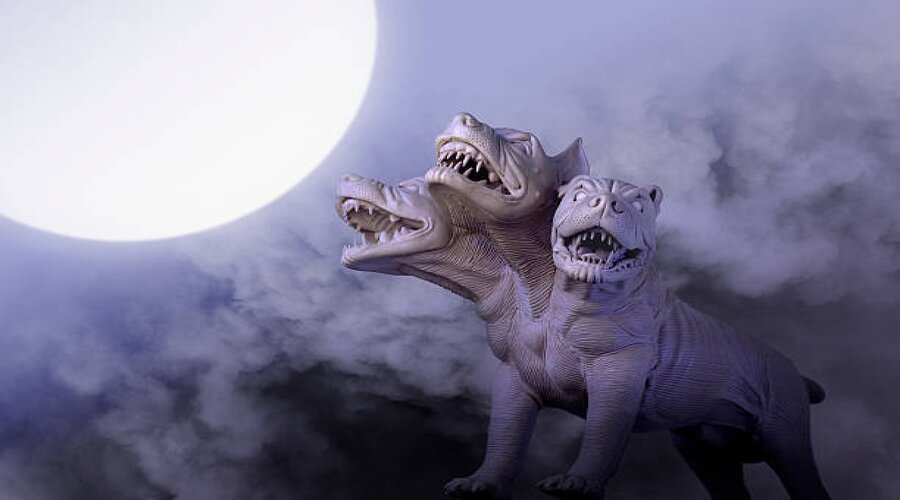
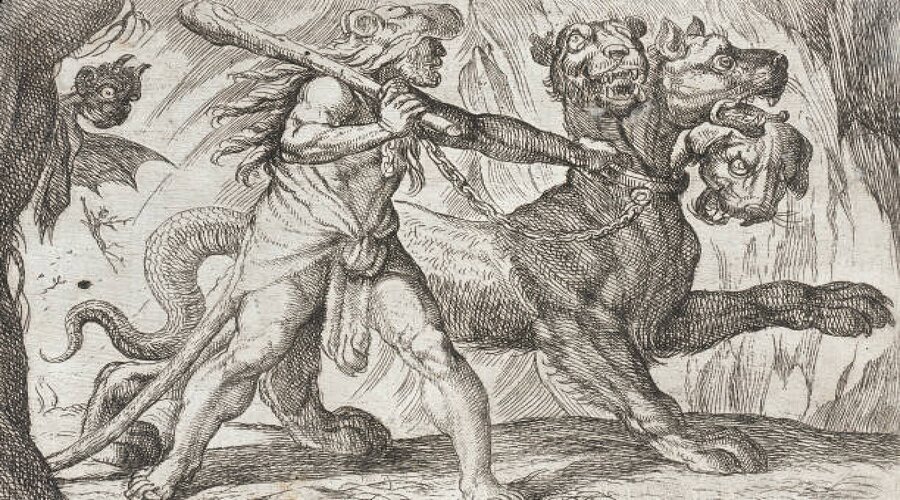
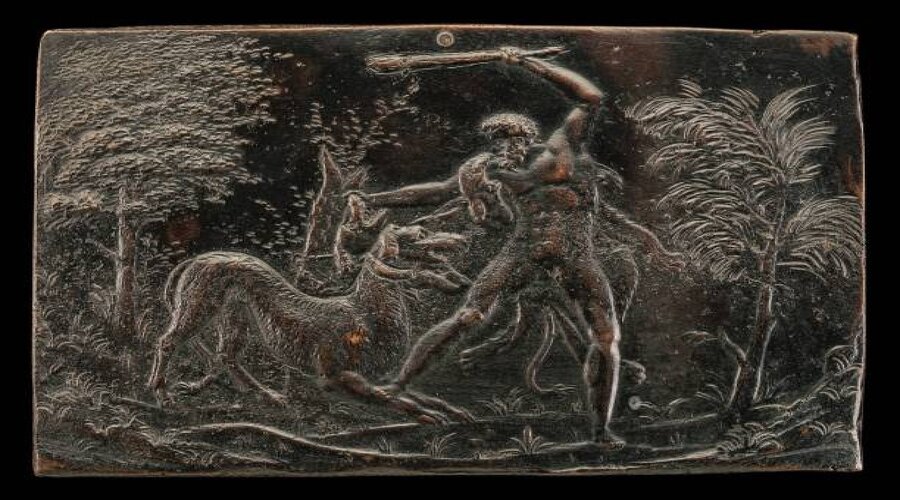
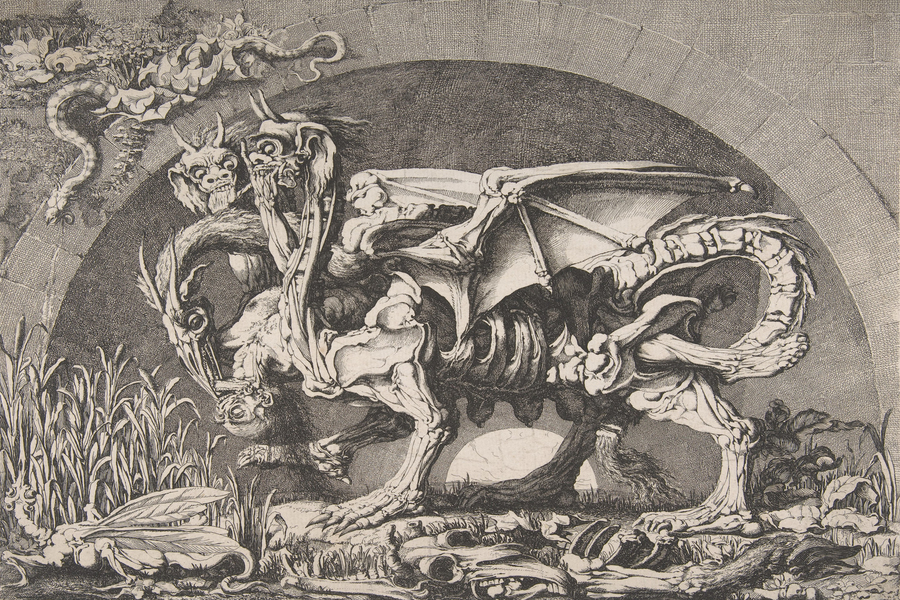
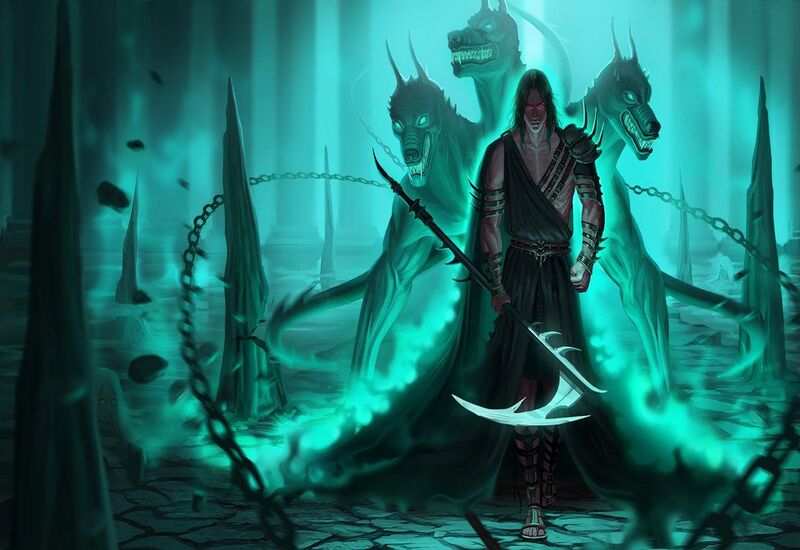
Cerberus was a hound with multiple heads who was always associated with Hades, or the Underworld. His role was to guard the main gate of Hades and his role was to not only prevent those from entering who didn’t belong in Hades, but to also prevent the dead from leaving.
As is often the case in Greek mythology, the origins of even the fiercest monsters are well-established. In the case of Cerberus, we know that his parents were also monsters. His mother was Echidna, a creature that was depicted as being part woman and part snake. His father was the monstrous giant who was the offspring of Gaia, the earth mother, and Tartarus, the King of the Underworld in the time of the primordial gods. Typhon was most known for the part he played in the War of the Titans. He represented the Titans’ last effort to maintain control before losing out to the Olympian Gods.
Depending on the source, Cerberus could be described in different ways. Some say that he was a giant hound but instead of having only one head, he had multiple heads. Usually, it is the number of heads that differs. Most sources describe him as having three heads, but depending on who is describing him, the number of heads often varies. Some sources also depict him as having the tail of serpent. Others take the serpent theme a step further and describe Cerberus as being part snake. It is interesting to note that Cerberus had multiple siblings and all of them had more than one head. For example, his sibling, the Lernaean Hydra, also guarded an area of the underworld and also had more than one head.
In addition to the story behind how the Greek Gods replaced the Titans, Poseidon features in many famous Greek myths and legends. One, concerns the foundation of Athens, and which God should become the city's patron and protector. Although Poseidon lost this competition against Athena to name the city of Athens, he remained the second most important deity worshipped in Athens. He was also the most prominent deity worshipped in Corinth and many other cities in Greece.
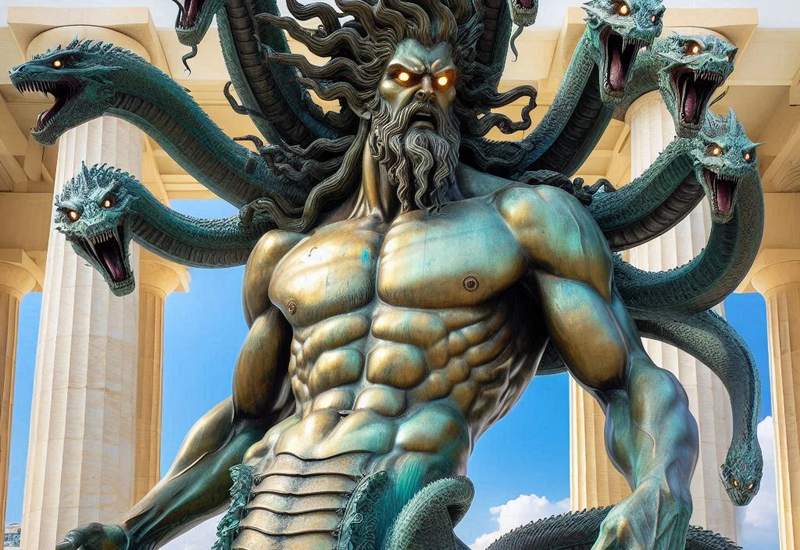
The Hydra, often called the Lernaean Hydra, is a serpentine monster in Greek mythology known for its daunting battle with Hercules. This creature is not just any ordinary monster; it is a multi-headed hydra, with the terrifying ability to regrow two heads for every one that is severed. The Hydra's lair was the lake of Lerna in the Argolid, which was considered an entrance to the Underworld.
*Please click the green link for further info.
Greek mythology characters set: The gigantic hydra with her seven immortal heads.
Guardian Statue of the Hydra in Beng Mealea.
'The champion of the people', 1784. Charles James Fox attacking a many-headed monster, raising the Sword of Justice above his head. Behind him are his supporters, English, Irish and Indians.
Spanish satire against the hydra of the aristocracy. Dated 18th Century.
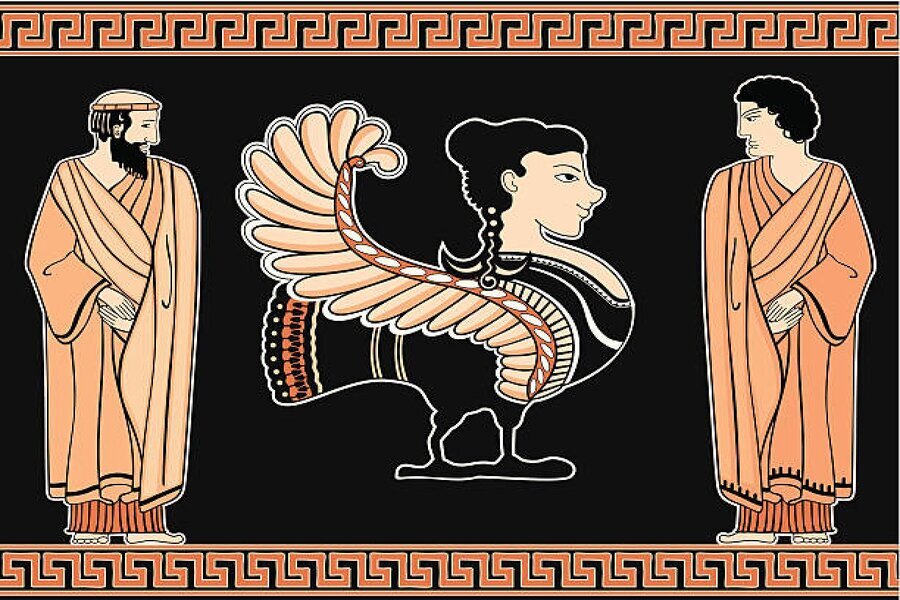
The Sirens were poultry with a female head. They were living in the seas. Their power lay in their upper body appearance: they were beautiful, young women and had a charming voice when they sang. They used their singing to lure sailors who were passing by their island and slaughter them. The great hero Odysseus (Ulysses), clever as he was, sealed his sailors' ears with wax and bound himself to the mast of his ship, to enjoy himself the beautiful song of the Sirens, without getting in the temptation of following the seductive Sirens.
The story of Spinosaurus begins not with a thunderous roar on open plains, but with ripples spreading across the surface of an ancient river system nearly 95 million years ago, during the mid-Cretaceous Period. This was a predator built for water as much as land, one that challenges nearly every stereotype of what a dinosaur was supposed to be. Longer than any other known carnivorous dinosaur, taller than a giraffe when its sail is fully raised, and armed with a skull more like a crocodile’s than a tyrant’s, Spinosaurus remains one of the most extraordinary animals ever discovered in the fossil record.
The Sirens were poultry with a female head. They were living in the seas. Their power lay in their upper body appearance: they were beautiful, young women and had a charming voice when they sang. They used their singing to lure sailors who were passing by their island and slaughter them. The great hero Odysseus (Ulysses), clever as he was, sealed his sailors' ears with wax and bound himself to the mast of his ship, to enjoy himself the beautiful song of the Sirens, without getting in the temptation of following the seductive Sirens.
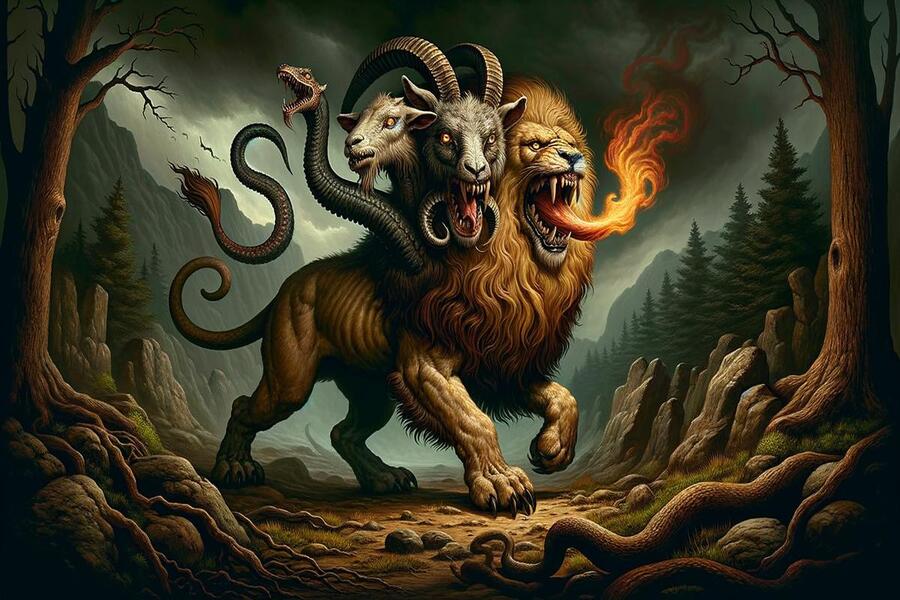
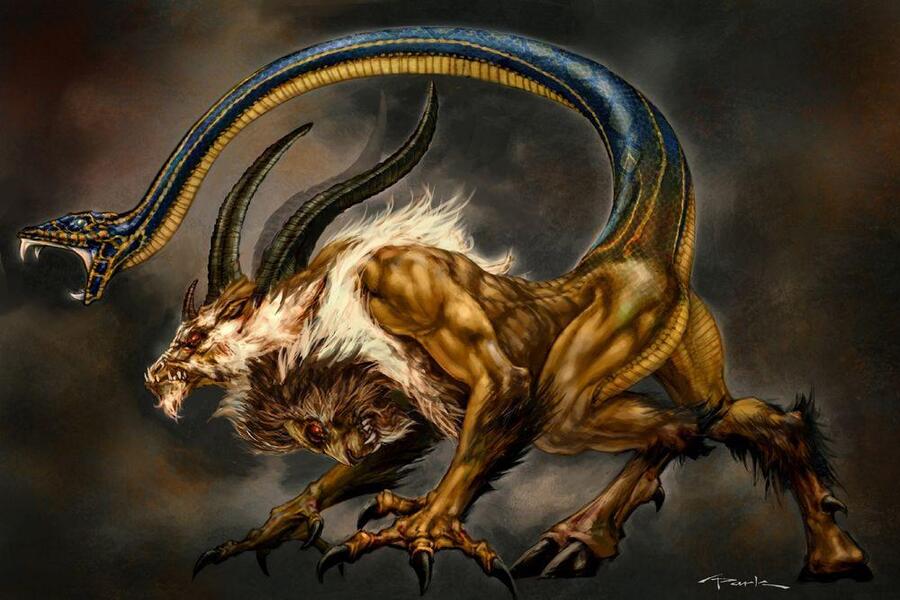
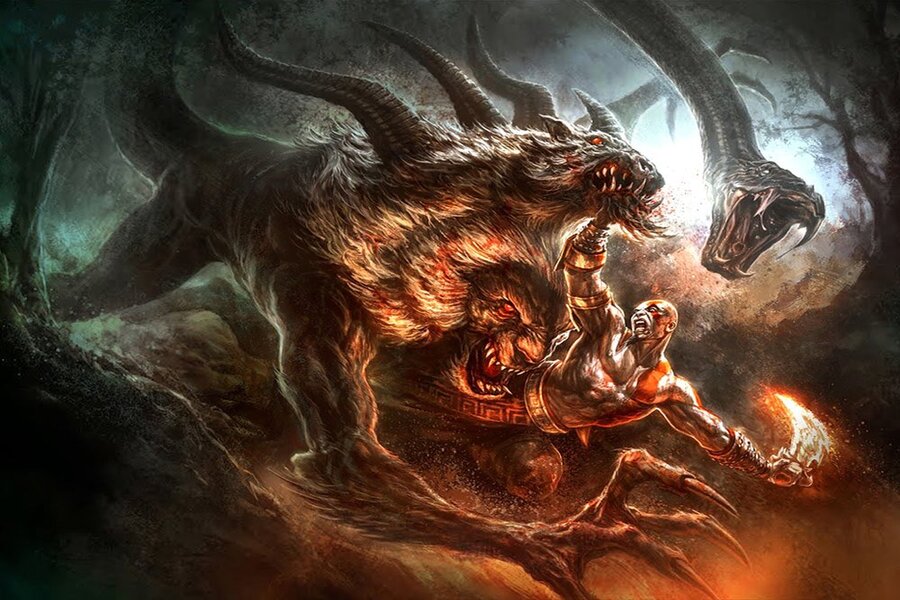
The Chimera, one of the terrifying offspring of Typhoeus and Echidna, was a hybrid monster made up of the body parts of a lion, a goat, and a snake. Many sources claimed that it also breathed fire. For years, the Chimera terrorized the inhabitants of the foothills where it had made its home—a reign that only ended with the arrival of the hero Bellerophon, a son of Poseidon. Riding the winged horse Pegasus, Bellerophon tracked down the Chimera, fought it, and killed it.
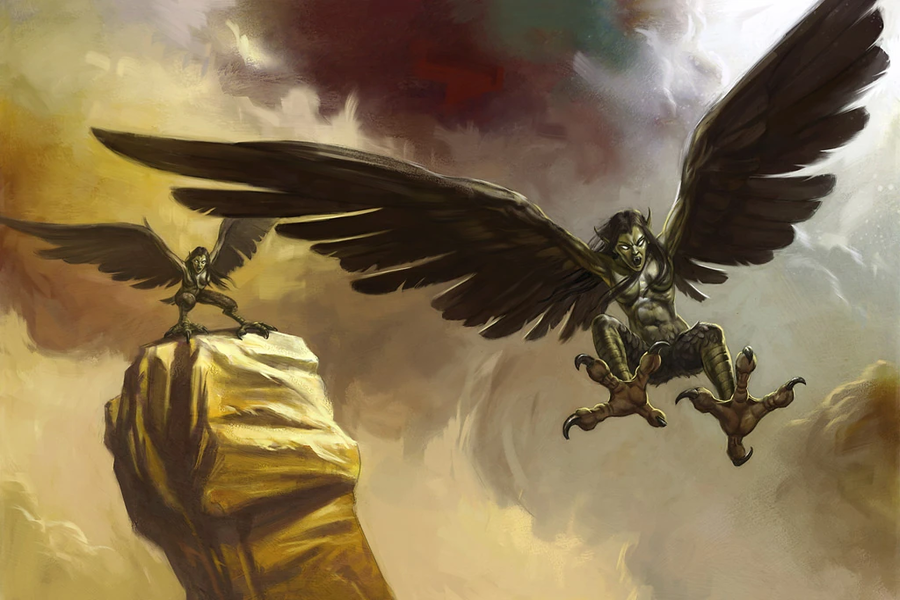
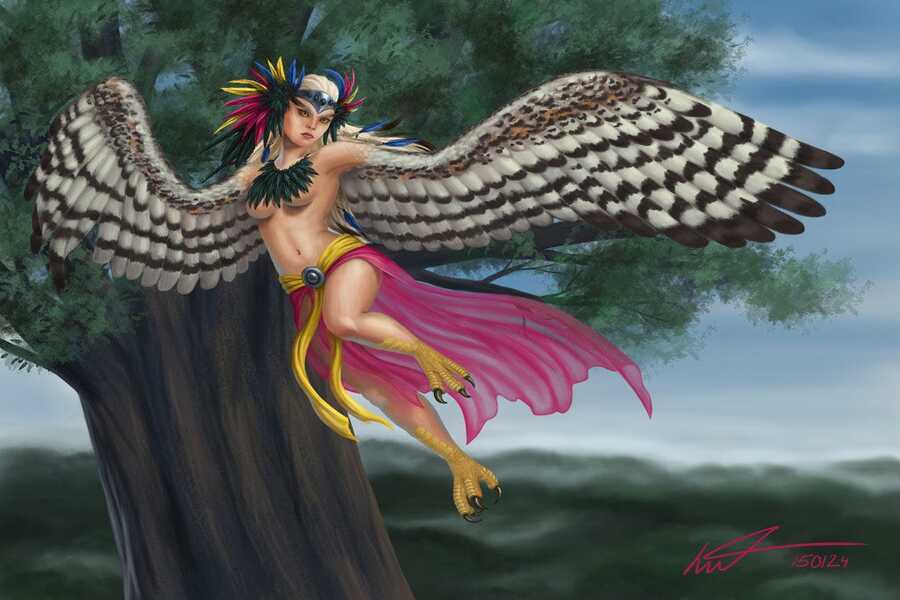
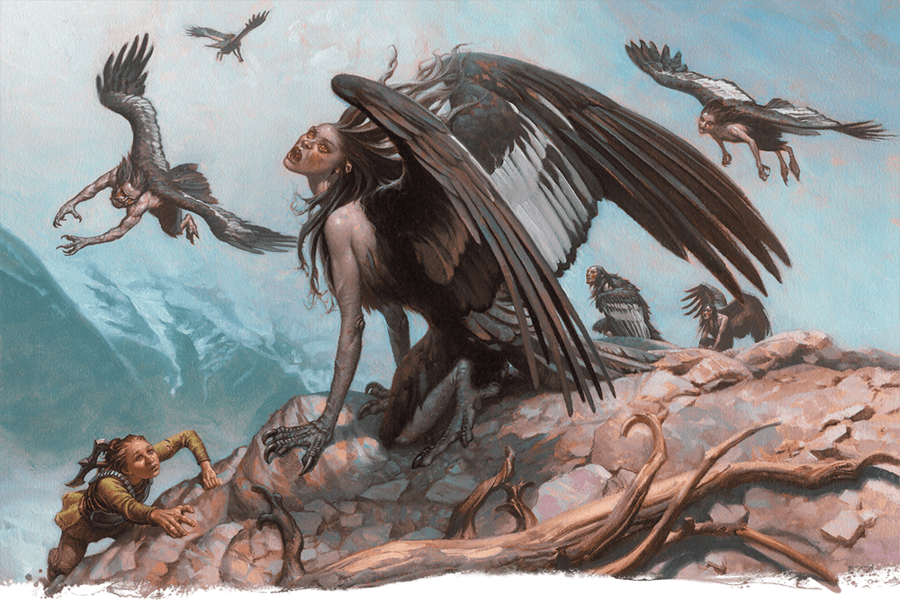
The harpies were known as the Hounds of Zeus, and they would take things from the earth, including food and people. They were particularly ravenous creatures, and they would steal food from people regularly. They ushered evil people to Erinnyes to be judged in the Underworld, clawing and torturing them along the way.
They appear in the myth of Jason and the Argonauts searching for the Golden Fleece. King Phineas of Thrace was given the gift of seeing the future, and he accidentally said too much. As punishment, Zeus blinded him and sent him to an island where every time he picked up a piece of food, it was stolen out of his hands by a harpy. Not only was the food stolen, but the harpies would spread dirt and muck over the rest of the food so that it was inedible. The Boreads, the sons of the North Wind, set a trap for the harpies. As soon as they swooped out of the sky to steal food from King Phineas, the Boreads took off after them, leading Hermes to intervene and promise that the Harpies would not torment the old man any longer.
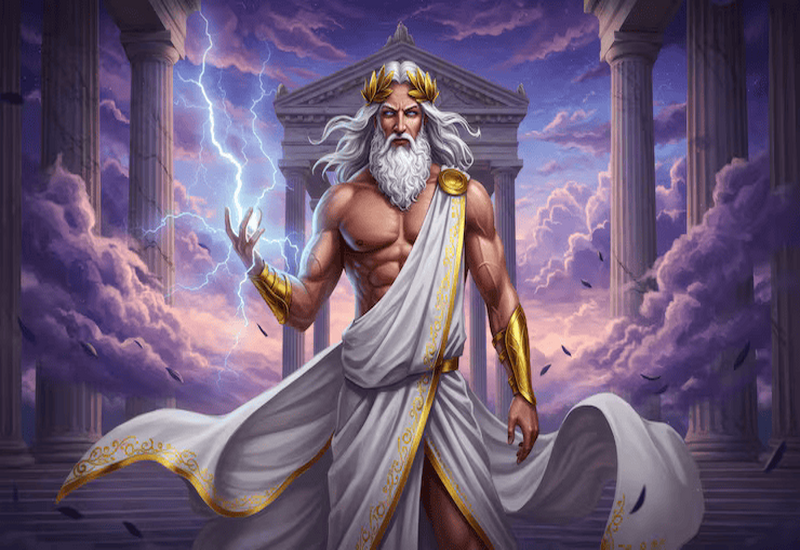
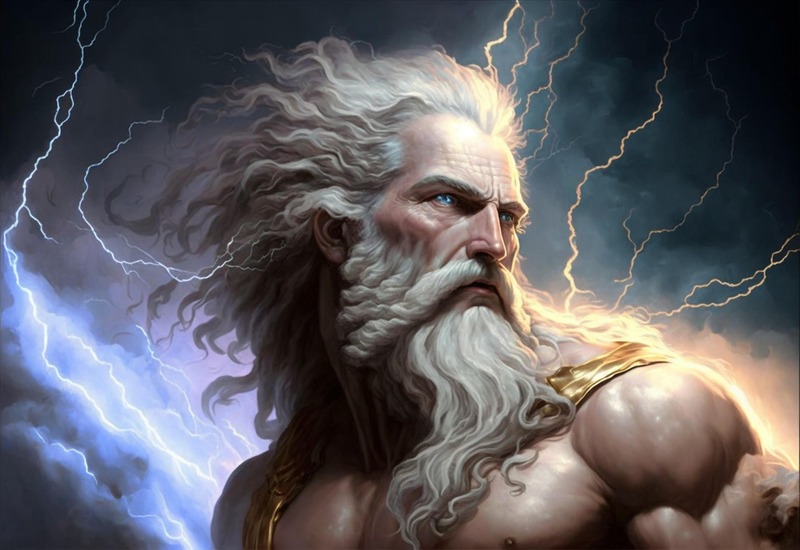
Zeus was the King of the Gods and the god of the sky, weather, law and order, destiny and fate, and kingship. He was depicted as a regal, mature man with a sturdy figure and dark beard. His usual attributes were a lightning bolt, a royal scepter and an eagle. Zeus was the youngest child of the Titans Kronos (Cronus) and Rheia. Kronos devoured each of his children as they were born, but Zeus escaped this fate when his mother spirited him away, handing the Titan a stone substitute wrapped in swaddling cloth.
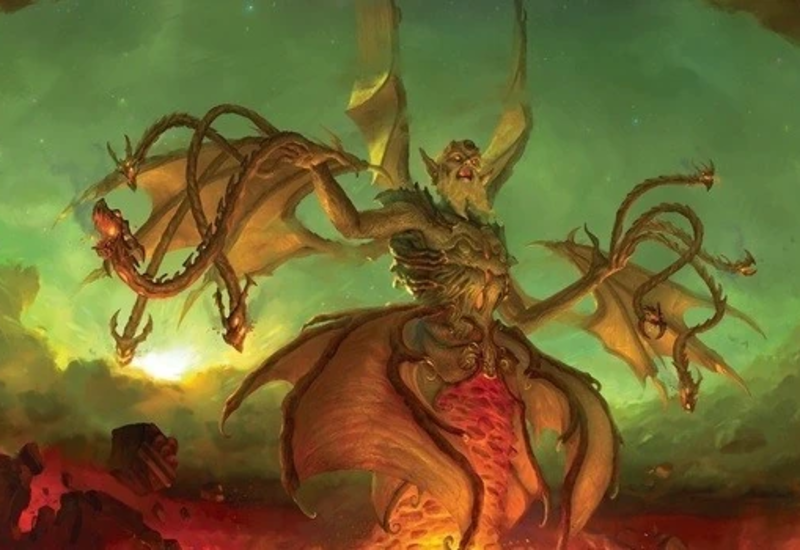
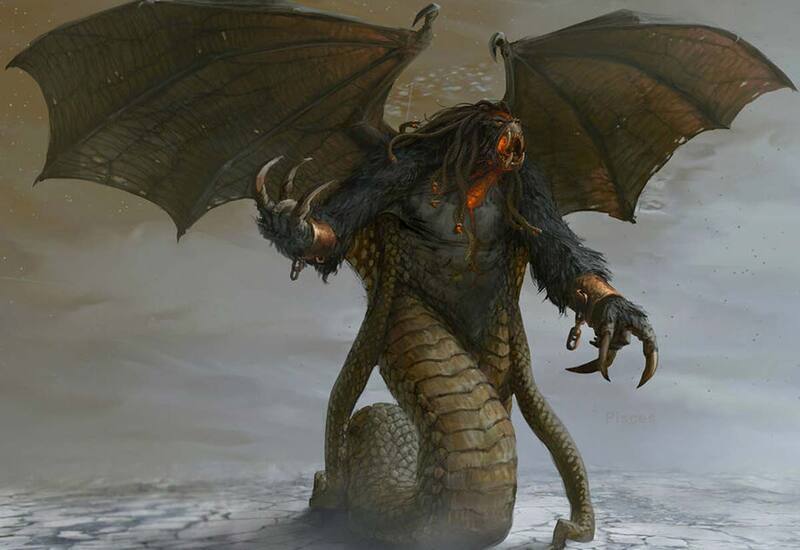
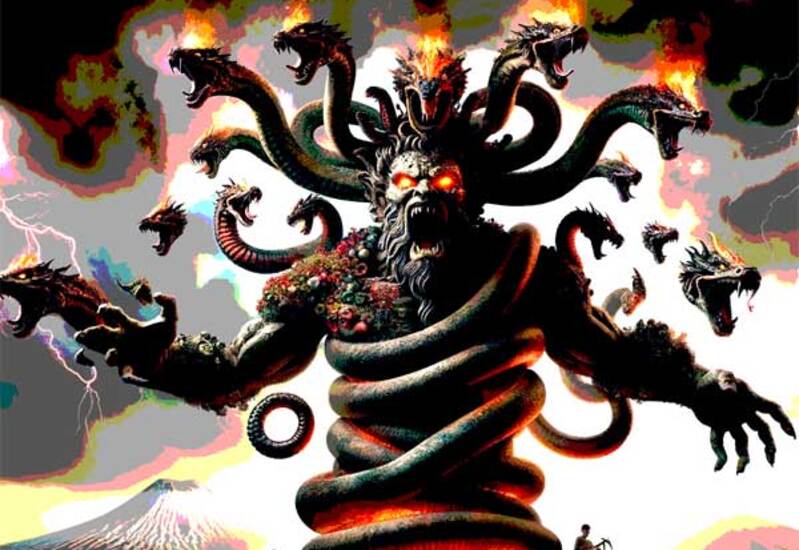
The “Father of all Monsters”. Typhon was the last child of Gaia, fathered by Tartarus, and is considered the most powerful and deadliest of all creatures in Greek mythology. His appearance would be accompanied by a devastating storm and his true form was thus hard to be described accurately. Some say he had a human-like upper half and others that instead of one head he had a hundred dragon heads.
His bottom half consisted of gigantic viper coils which made a hissing noise. He had huge wings and fire flashed from his eyes. Typhon was a monster that even the Olympians were afraid of. His mate was Echidna (see below), with whom he fathered many famous monsters of Greek mythology. Together, they once attacked the Olympian Gods but lost. Zeus, the King of the Olympians, confronted Typhon by throwing 100 lightning bolts on him and trapped him under Mount Etna in Sicily.
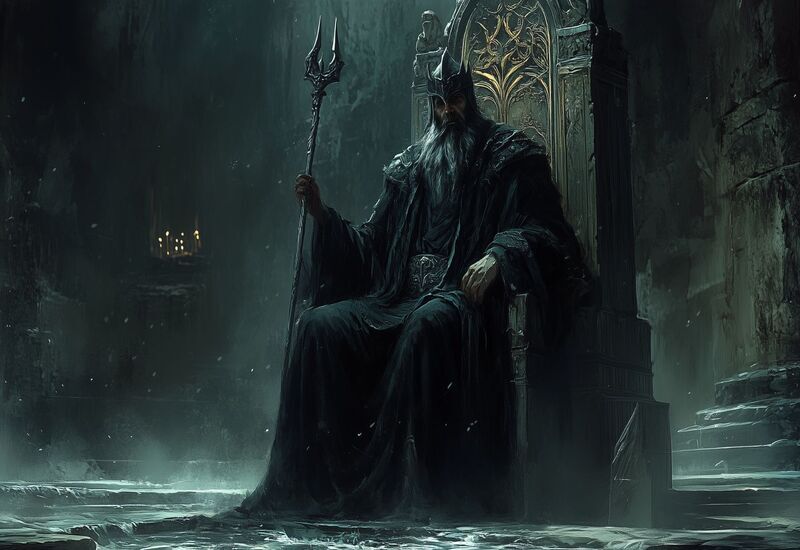
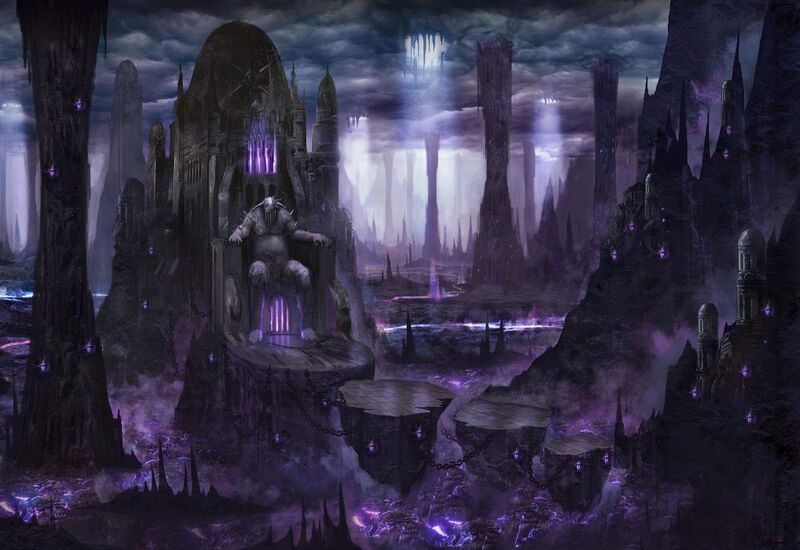
Despite being one of the most famous gods of the Greek pantheon, Hades was not an Olympian god, despite being brother to Zeus, for Hades was the Greek god of the Dead, and his domain was not in the mortal realm, but was in the Underworld. Hades was of course so feared, and revered, that his name would become synonymous with his domain.
Hades was the son of the Titans Cronus and Rhea, making the god brother to Hestia, Demeter, Hera, Poseidon and Zeus. Cronus though was fearful of his position as supreme ruler, and to avoid a prophecy about his own downfall, Cronus would swallow each of his children when they were born. Hades therefore was imprisoned in the stomach of his father.
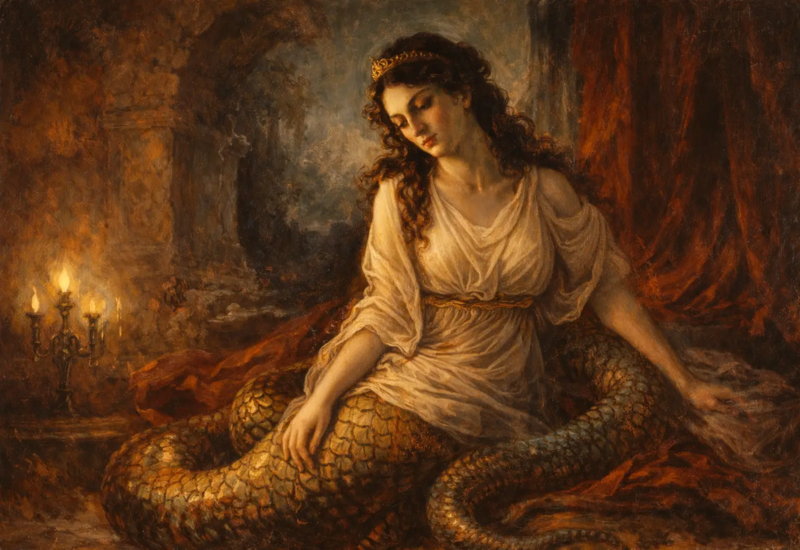
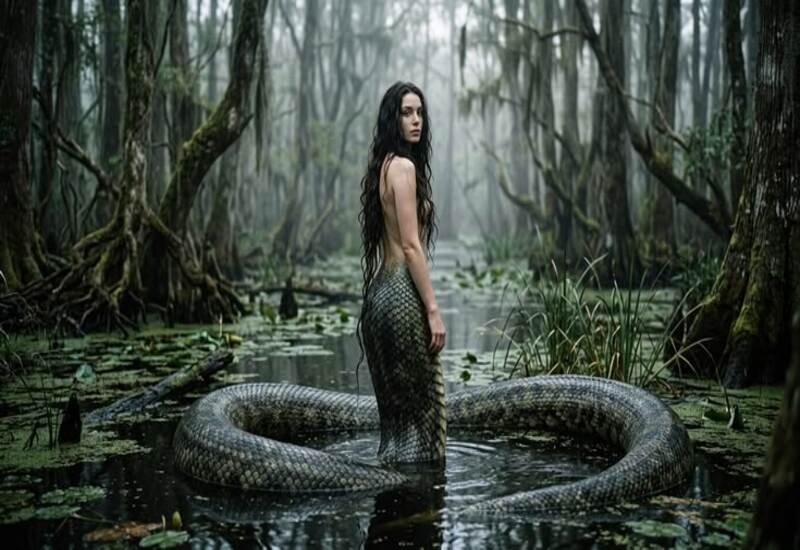
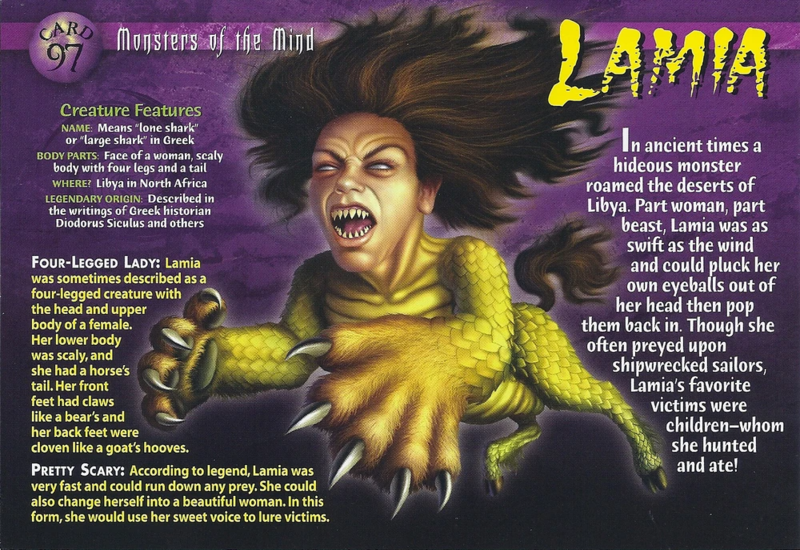
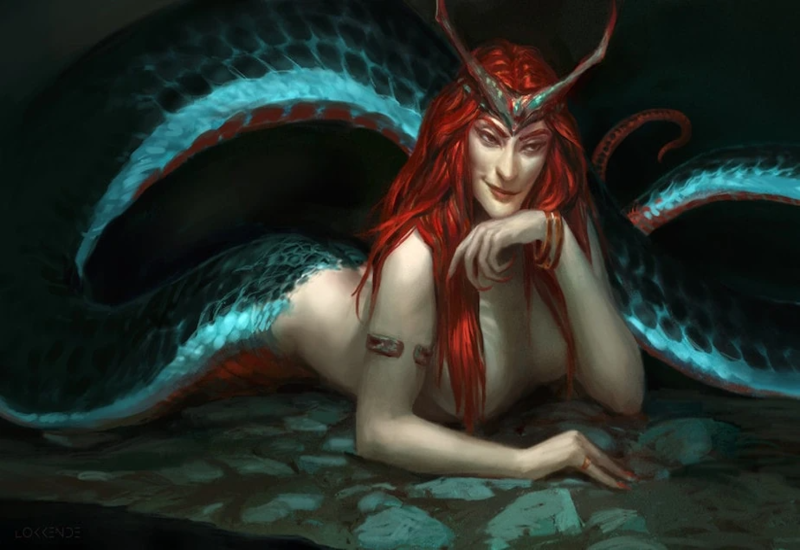
Lamia was a beautiful queen who ruled Libya. She fell into the disadvantage of Hera because of her relationship with Zeus. The god of thunder loved her because she was beautiful and had children with her who were killed by Hera. Because of her sadness and madness, Lamia transformed herself into a child-devouring monster. Since then, she snatches the children of other mothers out of envy. She could take her eyes out and put them back in at will.
*Please click the green link for further info.
The image shows a crop of the 1909 oil painting titled Lamia by British neoclassical artist Herbert James Draper.
A Lamia standing in a foggy, swampy wetland surrounded by cypress trees and water.
This image shows Card #97 detailing the mythological monster Lamia from the Weird n' Wild Creatures trading card collection.