World's Worst Prisons

Alticus

MR. EXCITEMENT
Reaction score
5,450
Location
Los Santos
*If I ever ended up in a prison like this, they'd declare me a bitch and pass me around for Ramen noodles.


Please, Log in or Register to view URLs content!
​


This is one of the oldest prisons in Russia and one of the first prisons for life sentences in the Orenburg region. Originally it was a jail (Ostrog) for a lifetime of hard labor. The first mention of this relates to 1745. After the suppression ofPugachev's Rebellion in 1773, the prison was built for the deportation of robbers. The prison got its unofficial name from a fountain with a sculpture depicting a black dolphin, which is set before the main entrance. The sculpture was made by the prisoners themselves. On 1 November 2000, the prison started to hold inmates sentenced to life imprisonment.

It is near the Kazakhstan border. The prison houses approximately 700 of the most serious criminals in Russia. It holds child molestors, murderers, terrorists, cannibals, serial killers and so called "maniacs". Prisoners at Black Dolphin are imprisoned for life. Prison guards place blindfolds on arriving prisoners so that they can not map out the prison or plan escapes. Prisoners are also blindfolded whenever they are transported between buildings. Also unique to Black Dolphin is the form in which guards escort inmates; prisoners are kept bent over at the waist while a guard holds their handcuffed hands behind their back, higher than the inmate's hips. This "stress position" allows for maximum control over the inmate, while depriving the inmates of a view of their immediate surroundings as well as preventing them from escaping and attacking prison staff. While there have been rumors of inmate abuse and misconduct at Black Dolphin Prison, there are no confirmed reports or complaints.

*Please click the green link for further info.


b2383ee7adab.png


a900ec0e1f97.png


756b13d0a347.png


e08f1879e64d.png


​
 
Please, Log in or Register to view URLs content!
​


At least seven Channel Islanders were imprisoned in La Santé Prison (Maison d’arrêt de la Santé) in the 14th arrondissement of Paris, France. The prison was inaugurated in 1867 with 500 cells, eventually expanding to 1,000 cells designed to accommodate 2,000 prisoners. La Santé was a site of public executions by guillotine until the banning of public executions in 1939, at which point they were carried out in the prison courtyard. After the general mobilisation in September 1939, the French military authorities requisitioned La Santé to incarcerate an ever-increasing number of detained French military personnel, making it a de facto annex of Cherche-Midi Prison. Military prisoners were evacuated from La Santé on 10 June 1940, just four days before Wehrmacht troops entered Paris.

*Please click the green link for further info.


This picture taken on November 6, 2020 shows a cell at the Prison de la Sante in Paris.

7177ac532aa3.jpg


This photograph shows the Prison de la Sante (Paris-La Sante) corridors in Paris, on September 24, 2024.​

37b6574c3e5a.jpg


View of 'La Sante' Prison, on November 21, 2014 in Paris, France.​

c9f39ba73f89.jpg


A picture shows barbwire over the exercise yard of the Parisian prison of "La Santé", on July 25, 2014, in Paris. The last 60 prisoners of La Sante were transferred on July 20, 2014 as the jail, inaugurated in 1867, has been emptied for renovation works starting in 2015.

70205c039a2d.jpg


​
​
 
Please, Log in or Register to view URLs content!
​


Behind the walls of Thailand’s most notorious maximum-security facility, an extraordinary therapy is transforming lives, especially those of death row prisoners.

Designed and facilitated by Phra Ajarn, this program has become something to which 53 inmates eagerly look forward. A unique therapy, known as ‘Cognitive Transformation Therapy’, is providing a chance for inner change. It is helping them anchor themselves in the present and manage their emotions more effectively. Phra Ajarn emphasises that “The greed and anger are always there, but they can also be managed. You don't have to have greed or anger. They are manageable”.

The therapy encourages inmates to acknowledge their emotions, by not letting them control their behaviour. Through activities, such as guided meditation, emotional exploration via the Wheel of Emotions, group discussions and mindful eating and walking exercises, the program provides the participants with the tools with which to cultivate self-awareness and emotional balance.

*Please click the green link for further info.


Activists from Amnesty International are surrounded by media as they hold up placards during protest at the entrance of the Bang Kwang high-security prison in Nonthaburi in the outskirts of Bangkok on June 19, 2019.

1db171e34538.jpg


Prison officers guard the entrance of the Bang Kwang high-security prison in Nonthaburi in the outskirts of Bangkok on June 19, 2019, where convicted Thai prisoner Theerasak Longji was executed on June 18, 2018.


d1dffdbf9832.jpg


Activists from Amnesty International stage a protest at the entrance of Bang Kwang high-security prison in Nonthaburi in the outskirts of Bangkok on June 19, 2019.

d6d301e35a39.jpg


The execution building at Bang Kwang Central Prison. Inmates were kneeled down and tied to a wooden cross, the executer then shot them in the back with a burst of bullets from a machine gun.


db388ad17810.jpg


​
 
Please, Log in or Register to view URLs content!
​


Kamiti Maximum Security Prison in Nairobi is a historically significant, yet controversial, institution. Originally known as Kamiti Downs, it once held many prominent political prisoners and has been the site of numerous executions, including Mau Mau leader Dedan Kimathi. Today, it’s severely overcrowded – housing over 3600 inmates.

*Please click the green link for further info.


Joseph Juma Odhiambo (C), one of the three terror inmates who had escaped from a high-security jail, disembarks from the police helicopter after they were arrested, following their escape from Kamiti Maximum Security Prison in Nairobi, November 18, 2021.

dfe506527c0d.jpg


Kenya prison warders look through the window of the Kamiti Maximum Security Prison in Nairobi, on November 18, 2021. - Kenyan police on November 18, 2021 said they captured three terror inmates who had escaped from a high-security jail in a scandal that cost the country's prisons boss his job.

68a450b6577e.jpg


Prisoners at the Kamiti maximum prison dance to Tunedem band lead vocalist Shoeshine reggae chants during a set in the Kenyan capital, Nairobi, on February 19 2016.


d14cf18dc081.jpg


Kenya government officials stand at the entrance of the Kamiti Maximum Security Prison in Nairobi, on November 18, 2021.


a258676cd76f.jpg
 
So what kind of prison time have you done? Be honest and for what? @Alticus you got that vibe about you.
Yeah man, did a hardcore 2 year bit up in Vandelay Corrections for urinating in public and lighting fire to every Amazon box I saw on my street and beyond. I'm OG bitch.
 
If you don't mind me asking, have you been to prison @Alticus ?

Or is this just a topic which interests you?
Sorry for the late response man. No, I have never been to prison. I'd last about 5 minutes in the hoosegow. I'm just trying to make a variety of threads that some may enjoy.
 
Well at least you're finally honest about something.
I know who you are. You only think that you know who I am in a meaningful way. That pussy Ivan is dead. Also, take a look at the name of the prison you dolt.
 
Last edited:
Please, Log in or Register to view URLs content!
​


Located on the corner of Ulitsa Novoslobodskaya and Ulitsa Lesnaya is the infamous Butyrka Prison. A prison has been located here since the times of Catherine the Great, who had the architect Matvey Kazakov design a fortress for use as a prison. The rebel Yemelian Pugachev was incarcerated here before his execution and one of the prison's towers was later named in his honour. In the mid-19th century the prison became a central transit prison and prisoners set out from here for Siberia.

During the February Revolution the prison's political prisoners were released by revolting workers; one of such prisoners was Feliks Dzerzhinsky. However the Bolsheviks, under Dzerzhinsky as head of the NKVD, went on to use the prison for their own political prisoners. During the great purges of 1937 and 1938 each cell held up to 170 people. Today the prison is used as a pre-trial detention centre. The prison does run a small museum, but visits need to be specially arranged.

*Please click the green link for further info.


Interior view of the main building of SIZO 2, also known as Butyrka prison, Moscow, Russia, October,31,2017.​


ff02732a6ac8.jpg


A general view of the main building of SIZO 2, also known as Butyrka prison, on October 31, 2017 in Moscow, Russia. Butyrka prison, or Butyrskaya turma, founded in the 17th century , was the central transit prison in Tsarist Imperial Russia.


820a1cad0ad2.jpg


A picture taken on November 25, 2011, shows a general view of a lobby with cell doors in the notorious Russia's Butyrka remand prison in Moscow.


40d6260ea9bf.jpg


Polish-born Felix Edmundovich Dzerzhinsky (1877 - 1926) at Butyrka prison in Moscow, 1902. He was the founder of the Bolshevik secret police, the Cheka, later the KGB.​


acf858386f57.jpg


​
 
Please, Log in or Register to view URLs content!
​


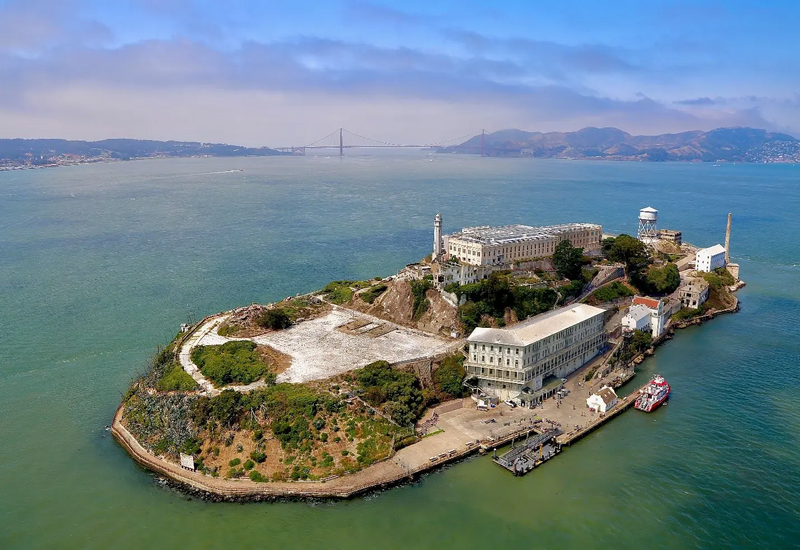
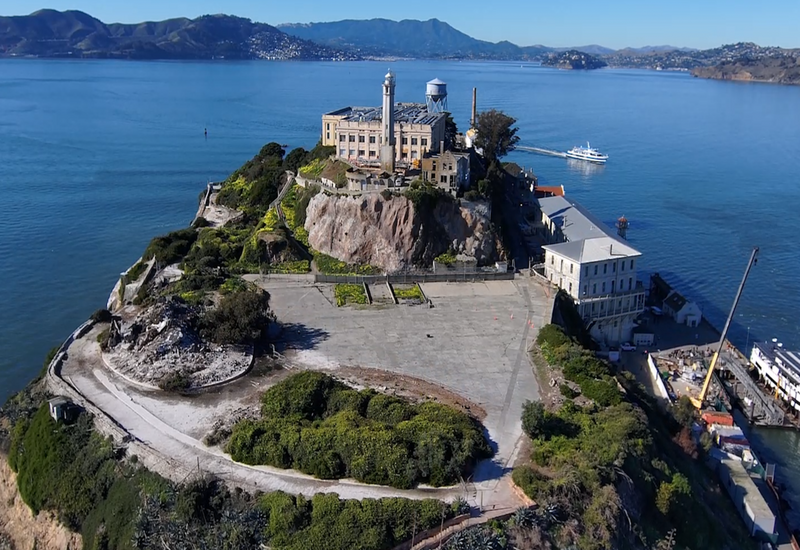
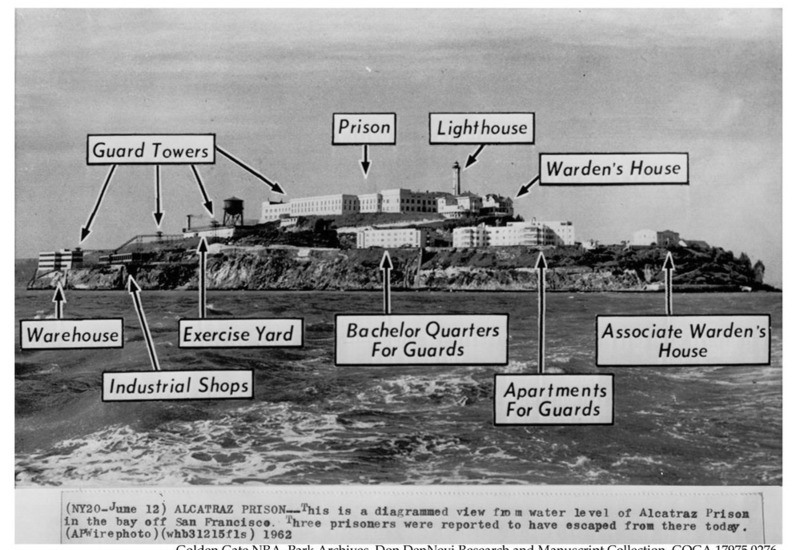
Better known by its famous moniker, The Rock, Alcatraz was America’s maximum-security prison notorious for its celebrity inmates and failed breakout attempts. Here’s everything you need to know about this spooky but iconic landmark isolated on its own island just over a mile from San Francisco Bay.

The site of America’s most famous penitentiary was discovered by Juan Manuel de Ayala, a Spanish explorer who sailed the first ship into San Francisco Bay on 5 August 1775. Declaring the 22-acre rocky outcrop La Isla de los Alcatraces (translating as ‘Island of the Pelicans’ after its plentiful feathery visitors), it became simply known by its English name-Alcatraz.

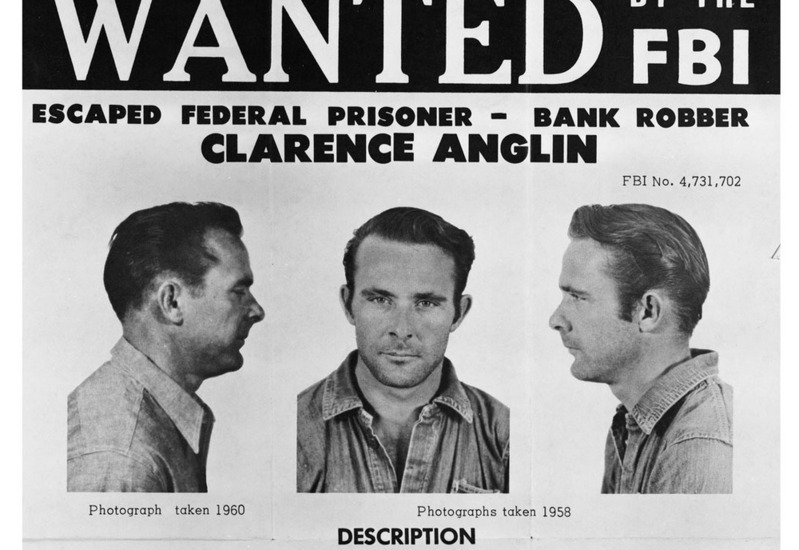
Years later, it was converted into a fort and an American Civil War military detention, before finally operating as a federal prison from 1934 until 1963. While there were no facilities for capital punishment (criminals handed a death sentence were transferred to San Quentin State Penitentiary) eight prisoners were murdered, five committed suicide, and 36 tried to escape.

*Please click the green link for further info.


51b491b26505.png

f51e03f0a7c1.png

f4a0df569119.jpg

6ae7d68cadaa.jpg


​
 
Please, Log in or Register to view URLs content!
​


Ciudad Barrios Prison, located in El Salvador, is one of the most notorious and overcrowded prisons in the world. Originally designed to hold a few hundred inmates, it now houses thousands, leading to extreme overcrowding and squalid conditions. The prison is infamous for being controlled by gangs, with the MS-13 gang dominating the facility. Inmates live in constant fear due to rampant violence, extortion, and brutal gang rivalries. Basic necessities such as food, water, and medical care are scarce, leading to severe malnutrition and health issues. The lack of adequate security and control by prison authorities means that the prison is essentially run by the inmates, exacerbating the violence and lawlessness. Ciudad Barrios Prison’s dire conditions and unchecked violence highlight the severe challenges within El Salvador’s penal system.

*Please click the green link for further info.


Please, Log in or Register to view URLs content!


Please, Log in or Register to view URLs content!


Please, Log in or Register to view URLs content!


Please, Log in or Register to view URLs content!


Please, Log in or Register to view URLs content!
​


Please, Log in or Register to view URLs content!


Please, Log in or Register to view URLs content!
​
 
Please, Log in or Register to view URLs content!
​


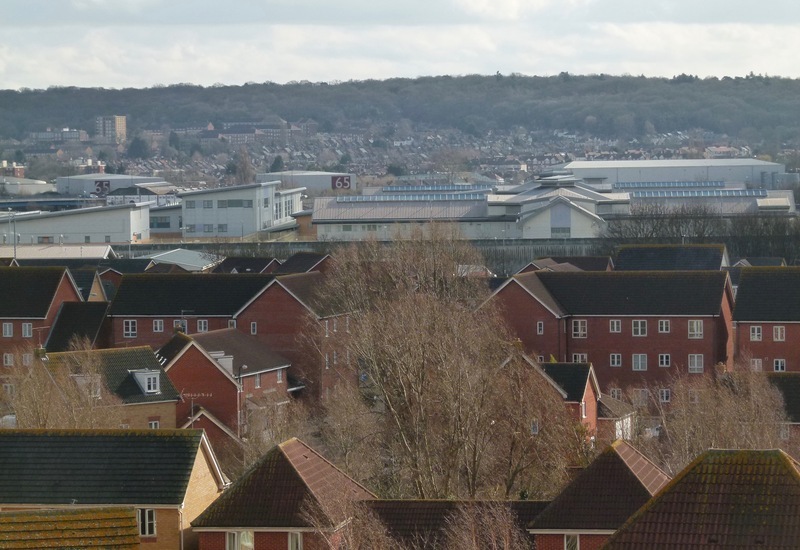
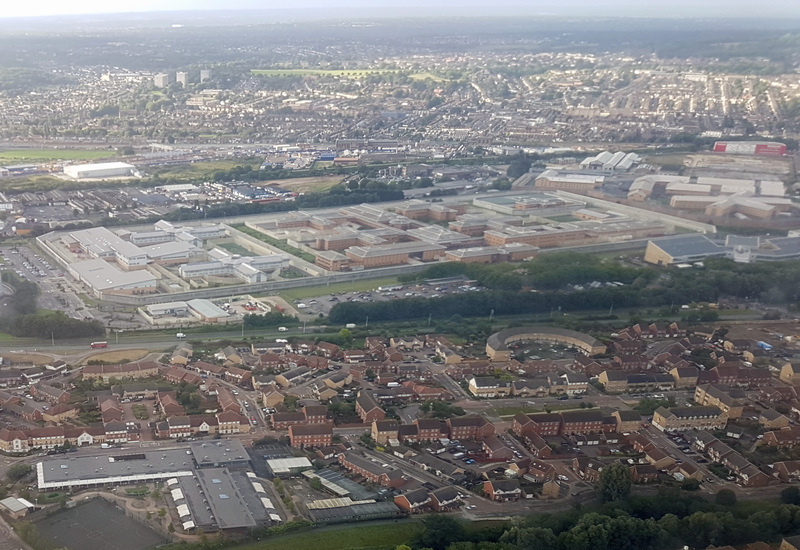
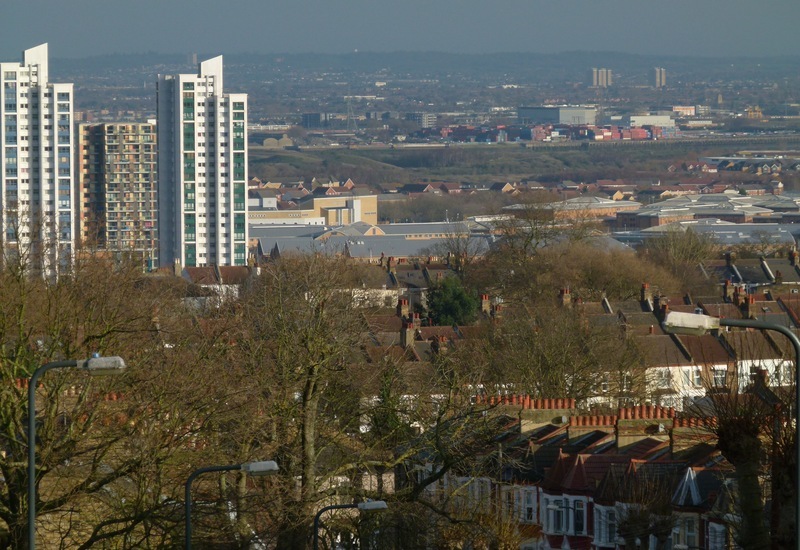
Belmarsh was built on the site of the former Royal Arsenal in Woolwich and was opened in 1991. Belmarsh is next to Woolwich Crown Court and is used for high profile cases, including those related to terror.

HMP Belmarsh earned the and Britain’s Guantanamo Bay in 2001 when it was used to detain a number of people indefinitely without charge or trial under the provisions of the Anti-terrorism, Crime and Security Act 2001. However, it was later ruled that was against the human rights act and therefore discontinued.

HMP Belmarsh is Britain’s most notorious prison, once earning the name ‘Britain’s Guantanamo Bay’ due to the number of terrorists and extremists it held behind its walls, prisoners such as Jordanian cleric Abu Qatada and Salafist preacher Anjem Choudary. Belmarsh is one of only three high-security core local prisons in England and Wales and is probably the most famous prison in the UK.

HMP Belmarsh is a relatively young prison, it was opened in April 1991 as a local prison serving the Central Criminal Court and Magistrates Courts in SE London primarily. In addition, the establishment serves Crown and Magistrates’ Courts in South West Essex. It has an operational capacity of 910 and accepts prisoners from local courts but also holds high-security Category A prisoners.

*Please click the green link for further info.


View towards the south-east from Gallions Hill, a 20 m high artificial hill in Gallions Reach Park in Thamesmead, Royal Borough of Greenwich, South-east London, UK. In the foreground Thamesmead West. In the centre Belmarsh Prison. In the background Plumstead and Abbey Wood.


9b09d72bc4ee.jpg


Aerial view of HM Prisons Isis, Belmarsh and Thameside in Thamesmead West, south-east London, shortly before landing at London City Airport.


95934e5d2a20.jpg


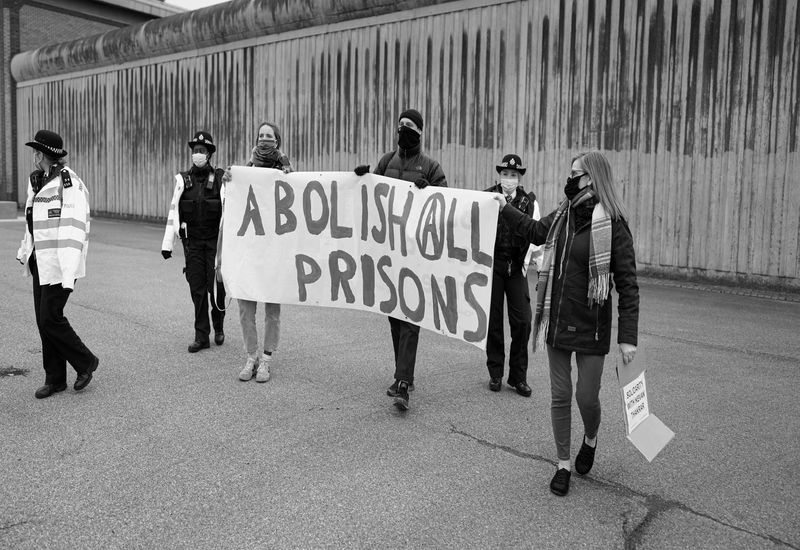
Protesters rallied outside Belmarsh Prison on 22 January 2022 in solidarity with those detained, including activists angered by Julian Assange's continued detention, others demanding an end to solitary confinement and an end to the unjust law of "joint enterprise" and also to mark the international Transgender Prisoner Day of Action and Solidarity.


4d30ff3d3445.jpg


View from Plum Lane, Plumstead, south east London. The tall buildings to the left are near Plumstead Station. Centre right: Belmarsh Prison. In the background the London Docklands.


6bb2d2e0e7de.jpg


​