Savage Earth

The Real Alticus

Mr. EXCITEMENT
Reaction score
5,467
Location
Los Santos
Please, Log in or Register to view URLs content!
​


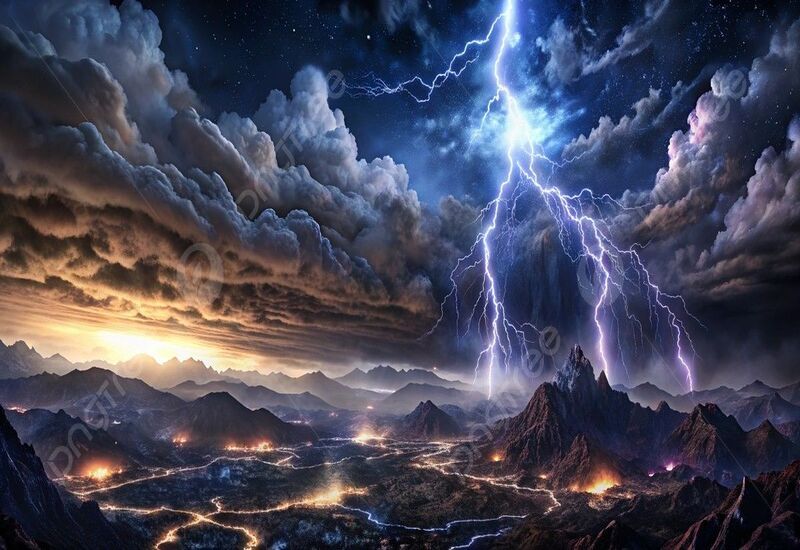
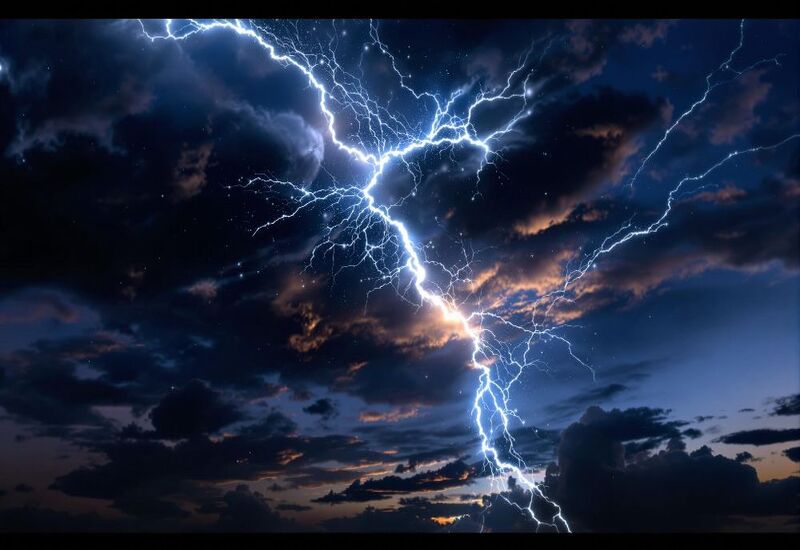
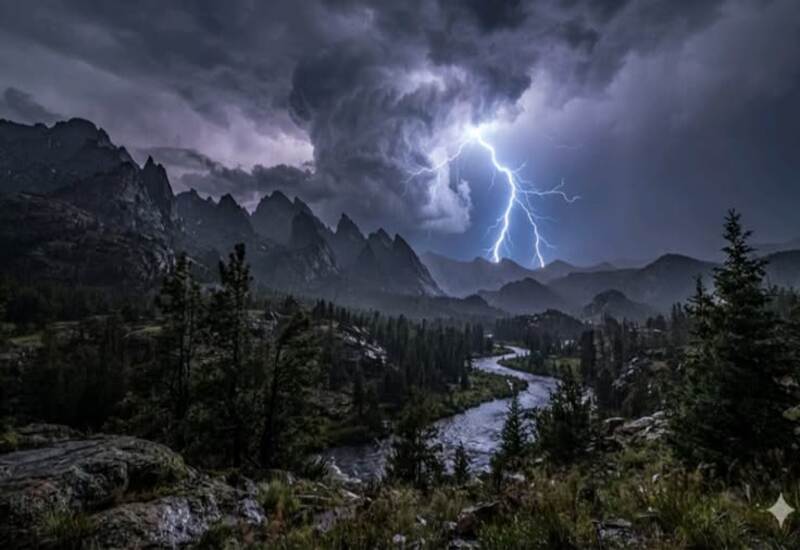
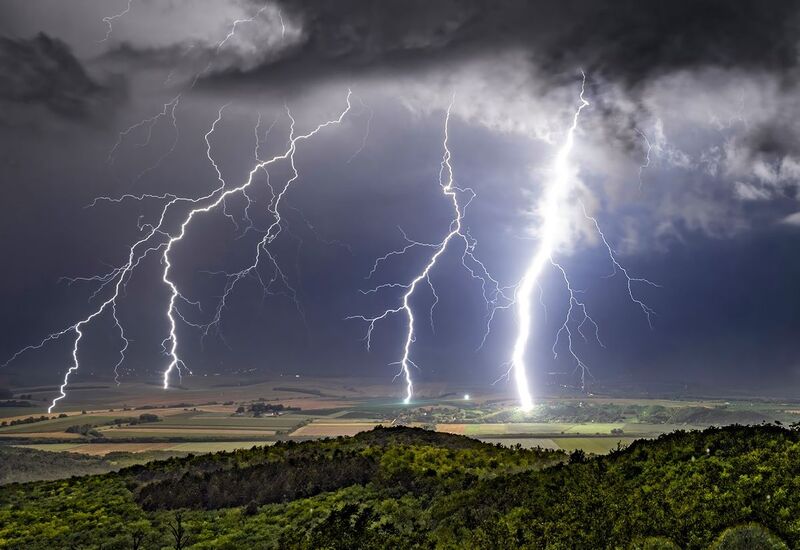
Lightning is an electric current. Within a thundercloud way up in the sky, many small bits of ice (frozen raindrops) bump into each other as they move around in the air. All of those collisions create an electric charge. After a while, the whole cloud fills up with electrical charges. The positive charges or protons form at the top of the cloud and the negative charges or electrons form at the bottom of the cloud. Since opposites attract, that causes a positive charge to build up on the ground beneath the cloud. The grounds electrical charge concentrates around anything that sticks up, such as mountains, people, or single trees. The charge coming up from these points eventually connects with a charge reaching down from the clouds and – zap – lightning strikes!

*Please click the green link for further info.


4f2d2dde0f5c.jpg


aa114a7d5554.jpg


ebbbc8b5bae8.jpg


d4d879472c55.jpg


​
 
Please, Log in or Register to view URLs content!
​


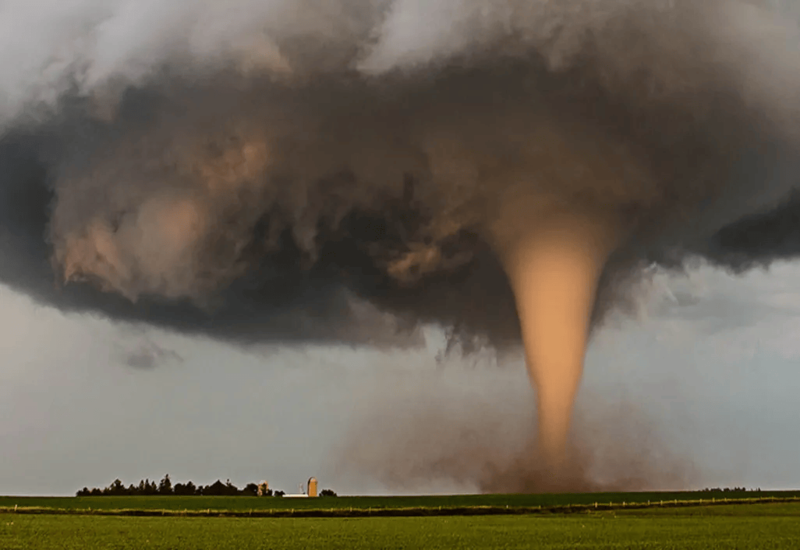
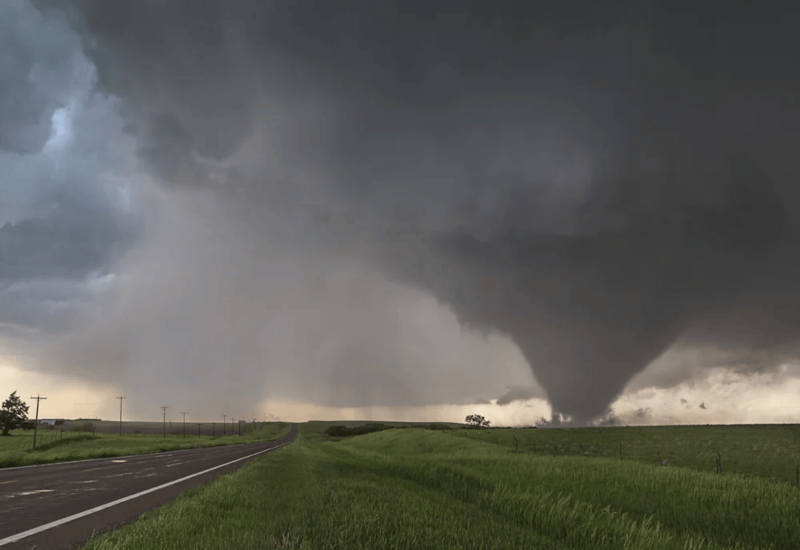
A tornado is a rotating column of air extending from the base of a cumuliform cloud and often visible as a condensation funnel in contact with the ground, and/or attendant circulating dust or debris cloud at the ground.

A large tornado in which the condensation funnel is at least as wide horizontally at the ground as it is in height from the ground to the cloud base may be referred to as a wedge tornado. During the dissipation stage of a tornado, the condensation funnel will shrink and narrow in width, becoming rope-like (a rope funnel), and may also become contorted. Some tornadoes may contain secondary vortices within the main circulation.

*Please click the green link for further info.


A tornado churns up dust at dusk near Traer, Iowa.​


68752c760fa4.png


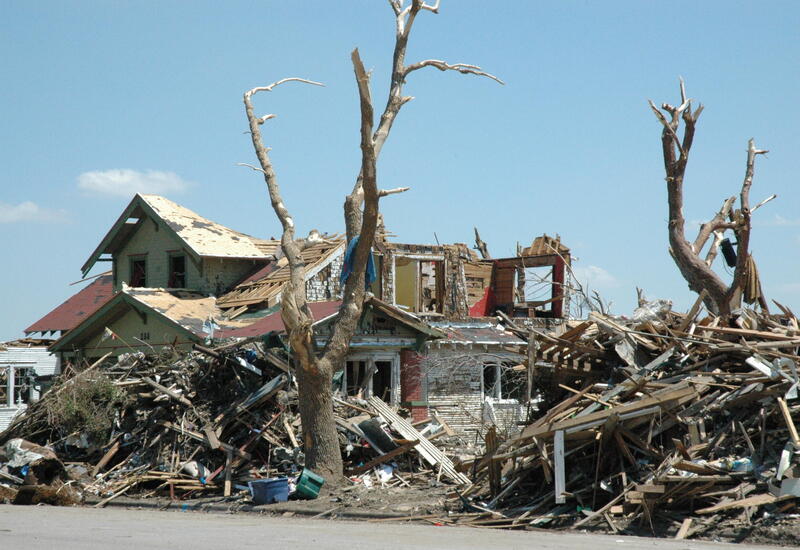
The tornado destroyed much of the town. Many people had to find other places to live until their homes were rebuilt.​


b11a5647c800.jpg


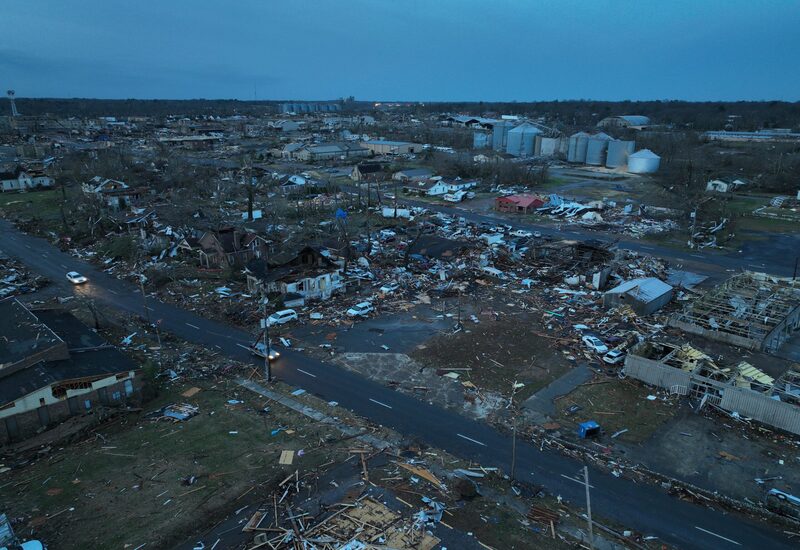
Damage in Mayfield, Kentucky on Dec. 11, 2021 after a tornado ripped thr9ugh the area.​


43a7f56bebad.jpeg


Large tornado in open fields near Bennington, Kansas. May 28, 2013.​


8b1b3c60be1a.png


​
 
Please, Log in or Register to view URLs content!
​


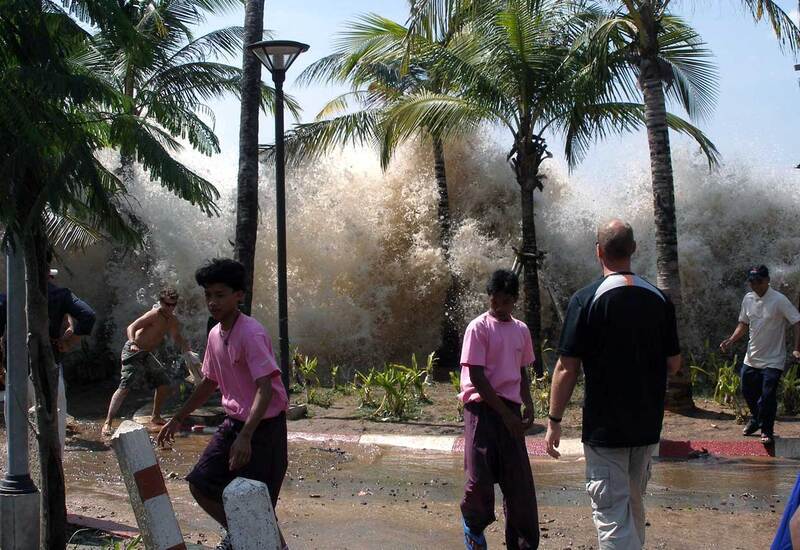
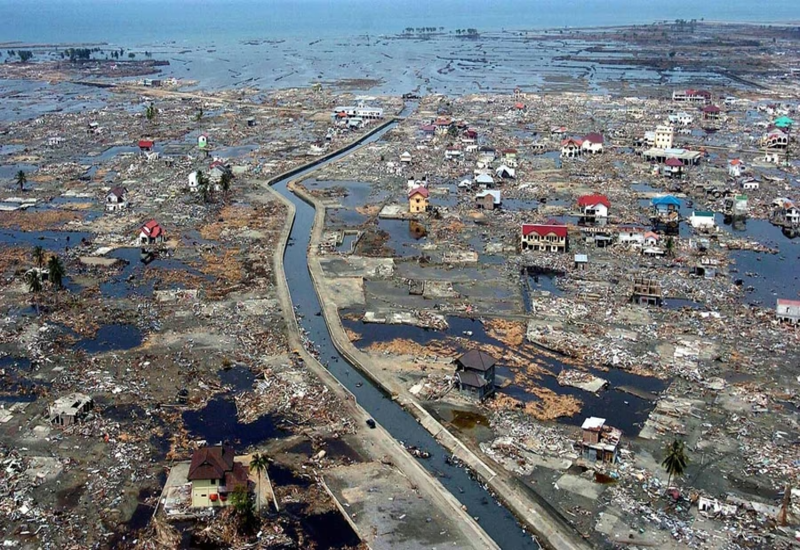
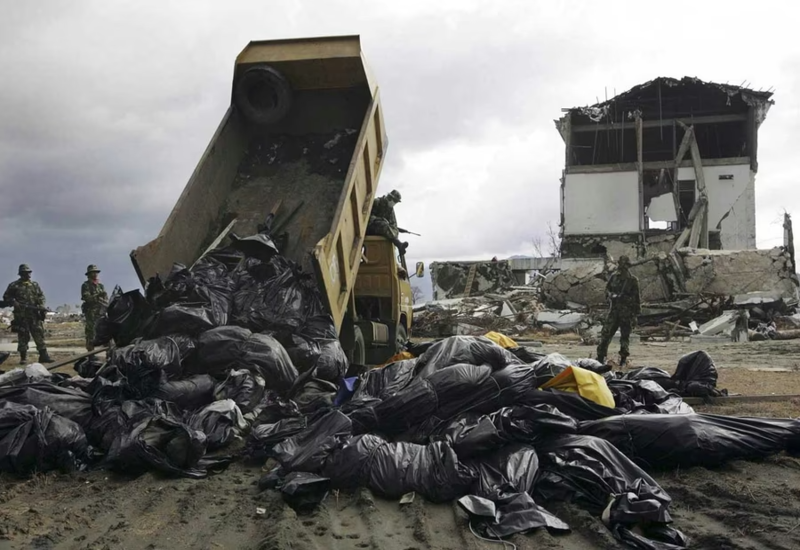
The 2004 Indian Ocean earthquake and tsunami, one of the most powerful natural disasters in recorded history, sent shockwaves through the region, impacting multiple countries and hundreds of thousands of lives. A massive undersea earthquake off the western coast of northern Sumatra, Indonesia, unleashed a series of colossal tsunamis that inundated coastal areas, catching communities off-guard and causing widespread destruction. The disaster not only brought immediate loss of life and destruction to infrastructure but also prompted a global reflection on the vulnerabilities of coastal regions and the importance of disaster preparedness and international collaboration.

*Please click the green link for further info.


Seawater splashes in the air as the the first tsunami waves hit Ao Nang, Krabi
Province, Thailand, on December 26, 2004.
​


973b5d0444b1.jpg


A file photo taken on January 5, 2005 of the devastated district of Banda Aceh in Aceh province located on Indonesia's Sumatra island in the aftermath of the massive December 26, 2004 tsunami.


fcea209e67f3.png


Indonesian military personnel unload corpses from a truck on January 9, 2005 in Banda Aceh, Indonesia. Estimates of the death toll in Indonesia top 150,000.


7984d5f75afd.png


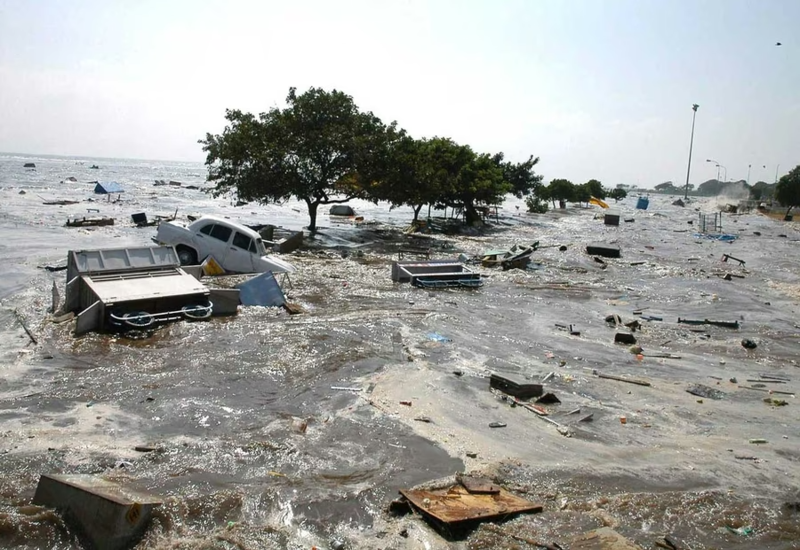
A general view of the scene at Marina beach in Madras, India, on December 26, 2004, after tsunami waves hit the region. Waves devastated the southern Indian coastline killing an estimated 18,000 people.


e0cf38e638aa.png


​