When you make a quilt, you're doing more than creating a fun craft. You're also creating an object that brings warmth and comfort and that may even serve as a family heirloom for future generations. Quilts are made from small scraps or squares of fabric, which are often left over from worn-out clothing, blankets or other items. Using these scraps, quilters can create a work of art at little or no cost.
Quilts can be used for practical purposes, such as keeping you warm on a cold night, but they're also quite sentimental objects. They're a way to preserve and display special fabrics, such as baby blankets or wedding gowns, and can be passed on and added to by each generation to extend the family history. Family members may also join in to create a special quilt to commemorate an occasion, such as a new baby or a marriage.
To get started with quilting, you need only a needle, thread and a bit of fabric. As your skills improve, you can add filler to fluff up your quilt or expand beyond the basic square pattern to create unique designs and shapes.
SCRAPBOOKING
With annual material sales of more than $2.5 billion in the United States alone, scrapbooking is arguably the most popular project for today's craft fans [source: London Times]. Its staggering popularity is evidenced by the wide availability of scrapbooking supplies and materials in both craft stores and big-box retailers.
Scrapbookers fill homemade books with photos, text and small mementos to celebrate a special event or occasion. Once the fun of creating the scrapbook is complete, crafters can keep the book on hand to preserve treasured family memories. These projects are often used to commemorate a vacation, wedding, graduation or other event, but scrapbooks may also be created for no reason other than the fun of the craft itself.
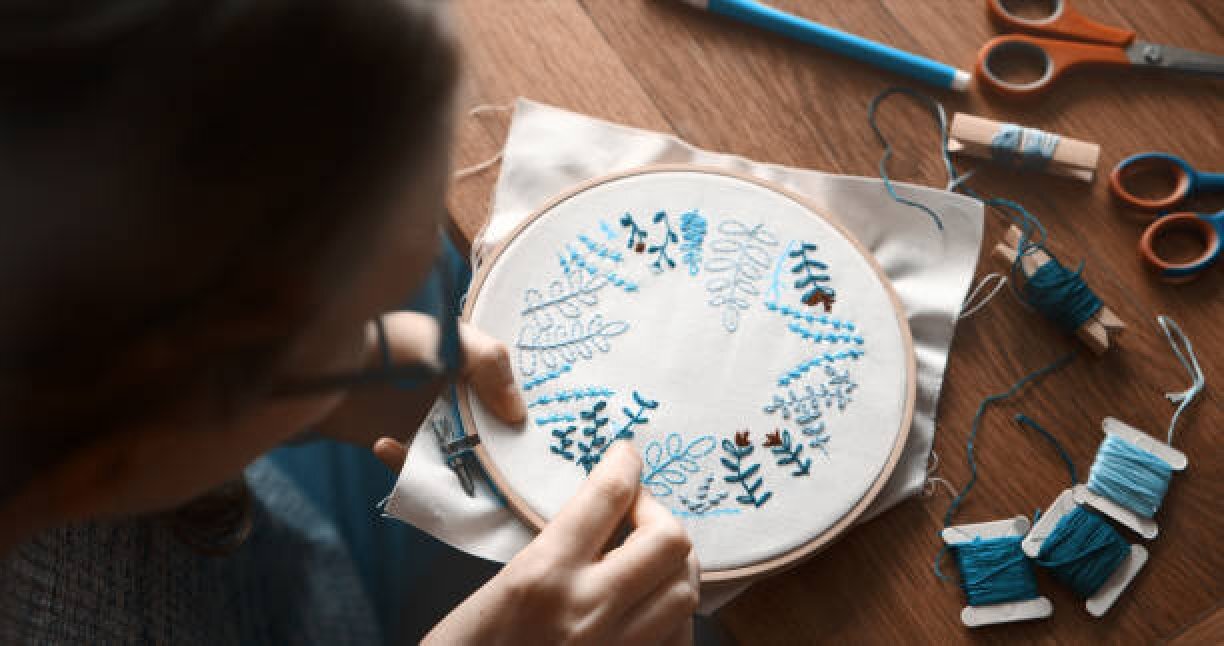
Embroidery is the technique of sewing a design, usually over a base fabric. It was likely first developed as a natural extension of sewing clothes, as people soon discovered that extra thread not only reinforced or patched the fabric but could be decorative as well. This led to the origin of embroidery and one of the first forms of decorated apparel.
Like many early inventions, the origin of embroidery came from ancient China in about the 5th-3rd century B.C. Soon, the Chinese were using silk thread, beads, and even precious stones in their designs.
Artwork from the period indicates the early ancient Greeks wore embroidered clothes, although no actual samples survive. Later, the upper-class Syrians, Babylonians, and Romans wore embroidered apparel.
The history and development of embroidery reached a high level of art during the Middle Ages in England. There, craftsmen developed elaborate techniques including Opus Anglicanum, and produced the famous Bayeux Tapestry, which tells the story of the Norman invasion of England (from the Normans’ point of view, of course), providing historians valuable information on that event. Much embroidery was produced for religious or state purposes and included decorative hangings as well as clothes.
As December arrives, calendars flip, the 25th is circled, and Christmas decorations are dug out of storage. One of these decorations, the wreath, has a long history. Coming from the Old English word “writhian,” which means “twist,” wreaths are usually made by twisting greenery together and adorning with flowers, berries, and other decorative materials. Often created from the trimmings of Christmas trees as they’re given their signature triangular shape, wreaths are a great way to prevent waste and celebrate winter festivities. Today, wreaths are recognized as a holiday decoration, but throughout history, many cultures have used wreaths for a variety of purposes.
ESSENTIAL OIL JEWELRY
Jewelry that is specially crafted so that it can be subtly fragranced with essential oils is typically known as aromatherapy jewelry or essential oil jewelry. This form of jewelry allows you to diffuse and enjoy the aroma and therapeutic benefits of your favorite oils throughout the day.
BEADED EARRINGS
People have been collecting, stringing, and sewing beads for more than 120,000 years. Some of the earliest beads, made of tiny seashells, were found in North Africa and the Middle East. As our ancestors spread around the world, they left a trail of beads behind them. People have been making and wearing beads ever since.
Almost anything can become a bead; a shell, a stone, a seed. Beads are beautiful, and their use reveals much about individual style and aesthetics. Their materials may document the physical environment, and their use in ritual, religion, and politics reflects societal history, economy, and values.
Resin coasters are one of the popular craft trends involving using epoxy resin to create unique and durable drink coasters. Making resin coasters typically involves mixing the epoxy resin with a hardener and then adding pigments or other decorative items such as glitter, dried flowers, or small objects.
Once the resin is mixed, it is poured into a silicone mold and left to cure for several hours or overnight. Once the resin is fixed, the coaster can be removed from the mold and polished or sanded to give a smooth finish. Resin coasters are a popular craft trend because they are durable, easy to make, and customizable with different colors, shapes, and embellishments. They can be used as functional home decor pieces and make a great gift.
CROCHET:
Crochet is a popular craft trend that involves using a hook to create textiles from yarn or thread. The hook is used to pull loops of yarn through other loops, creating a fabric that can be used to make a wide variety of items such as clothing, blankets, scarves, bags, and home decor. Crochet has become one of the popular craft trends because it is a versatile craft that can be used to create a wide variety of items, and people of all ages and skill levels can enjoy it.
It is also relatively inexpensive and can be done with a wide variety of yarns, from inexpensive acrylic to luxurious natural fibers. Crochet is also a great hobby as it is calming and relaxing and a great way to create personalized and unique items. Many people find crochet to be a great way to express their creativity and make gifts for loved ones.
MACRAME:
Macramé is the other popular craft trend involving knotting techniques to create decorative items such as wall hangings, plant holders, and jewelry. The knots used in macramé are typically made with a cord or rope and can be arranged in various patterns to create different effects. It is relatively inexpensive, as it only requires a few basic materials, such as a cord or rope and a pair of scissors.
The knots are often made with natural fibers such as cotton, hemp, or jute, which gives the finished product a rustic and natural feel. Macramé is a versatile craft that can be used to create various items, from small jewelry pieces to large wall hangings. It is also a great way to add a touch of bohemian style and natural beauty to any room.