The reputation of Costa Rican coffee has been trending upwards in recent years. Single origin beans from Tarrazu are the most highly reputed.
These beans give of an intensely sweet aroma that is reminiscent of brown sugar. The coffee is packed with notes of tropical and citrus fruits. A lively, bright acidity, characteristic of many Central American coffees adds to the complexity. Each Tarrazu coffee that I’ve had the pleasure of trying has had a sweet, sustained finish.
This is a coffee that I’ve found myself coming back to a lot recently. Although I do believe that Tarrazu coffee is starting to get the recognition that it deserves, it still has a ways to go before it is unanimously included in everyone’s lists!
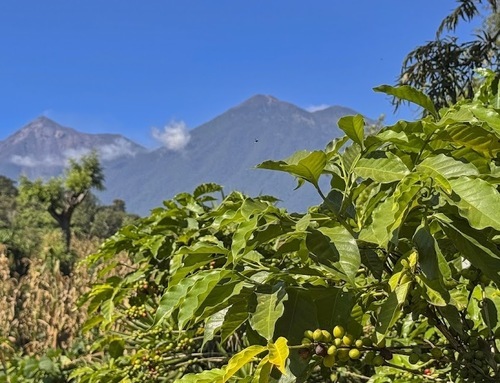
Guatemala Antigua coffee is cultivated in the Antigua Valley, a region surrounded by three towering volcanoes: Agua, Acatenango, and Fuego. This volcanic terroir is key to the coffee's distinctive characteristics. The rich, mineral-laden soil combined with a high altitude ranging between 4,600 and 5,600 feet provides the perfect environment for growing exceptional coffee beans. The cool climate and consistent rainfall further enhance the coffee's natural sweetness and acidity.
The volcanic ash in the soil contributes to the coffee's balanced flavor profile, which is often described as having notes of chocolate, caramel, and a hint of smoke. This unique combination is what makes Guatemala Antigua coffee stand out among other Guatemalan coffee varieties.
YEMEN: YEMEN MOCHA
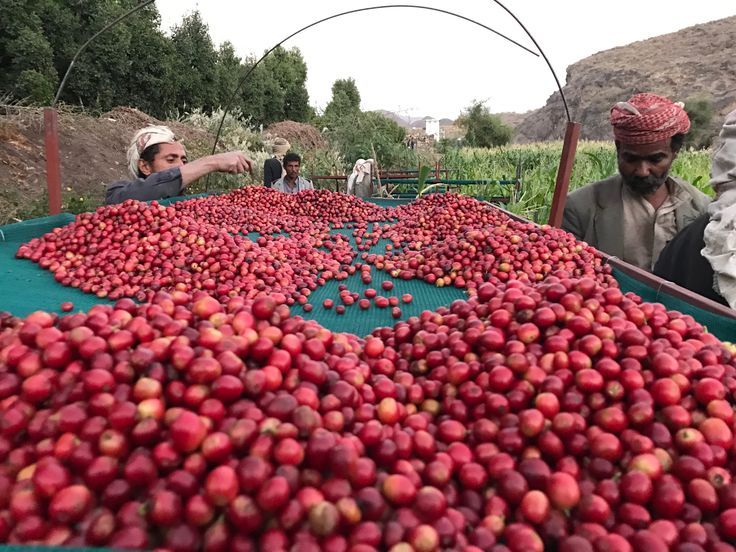
Yemen has a long and complicated coffee history. Recent years have seen a drastic decrease in coffee production due to an ongoing civil war. The depleted supply of Yemeni coffee leads to higher prices for consumers. That being said, the demand is still there. Why? It’s simple really, Yemeni coffee is really good.
In this case, Mocha doesn’t refer to that commercial beverage loaded with chocolate. Mocha is instead a reference to the major port in Yemen that coffee has historically been shipped from.
You can expect Yemeni coffee to have an exotic aroma and rich, complex taste. A wine-toned acidity and some earthy character are typical. Notes of fruit, chocolate and hints of spice are also common.
Yemeni coffee can be somewhat hard to come by, and because of this, it’s rather pricey. I do enjoy Mocha coffee quite a lot, but it’s a little too expensive to buy consistently. It’s definitely worth splurging on every now and then to support the Yemeni coffee industry.
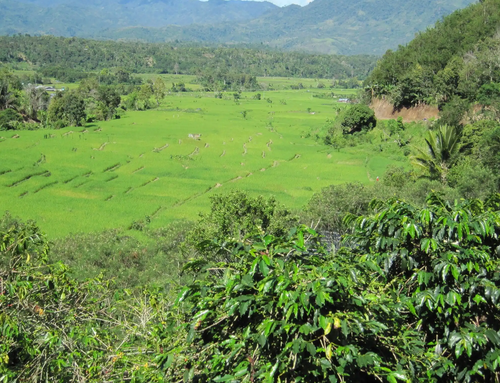
Indonesia consists of a series of islands that offer variable coffee growing conditions. The islands of Sumatra, Sulawesi, Java and Bali all produce great coffee. The best? Very tough call, but I have to go with Sumatra Mandheling.
Sumatra Mandheling beans have a wonderfully exotic aroma, and produce a cup of coffee that is rich and earthy. Notes of chocolate and spice are also prominent. Sumatra coffee is naturally low in acid, making it easier on the stomach than most other highly prestigious beans.
I’ve grown to really love this coffee, but I definitely didn’t the first time that I tried it. It may take a well-developed palate to truly appreciate this one, so more experienced coffee drinkers tend to enjoy it more.