Dinosaurs

Alticus

Prédateur
Avatar & User Title Hack'd
Reaction score
5,453
Location
Los Santos
*For those who are interested. Feel free to add your own stuff if you want.


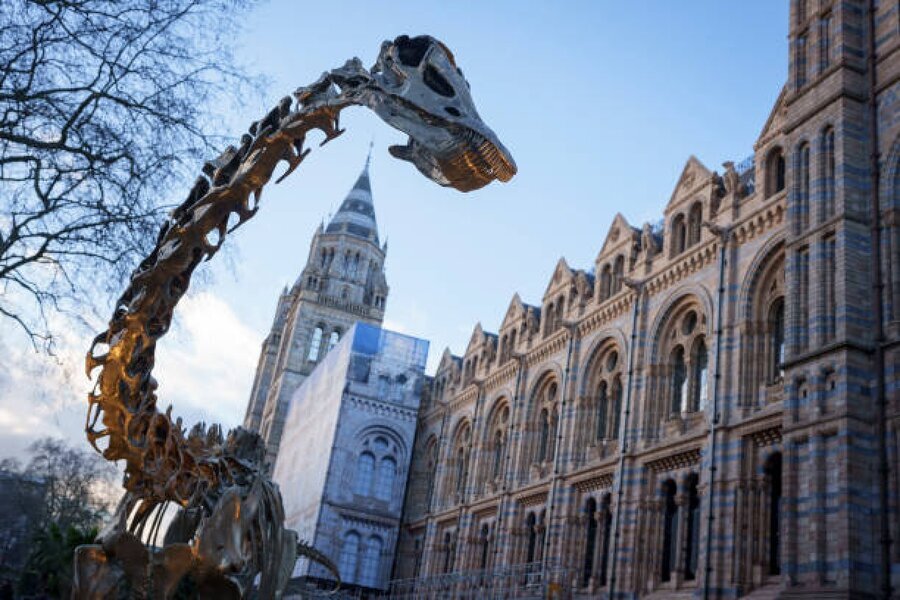
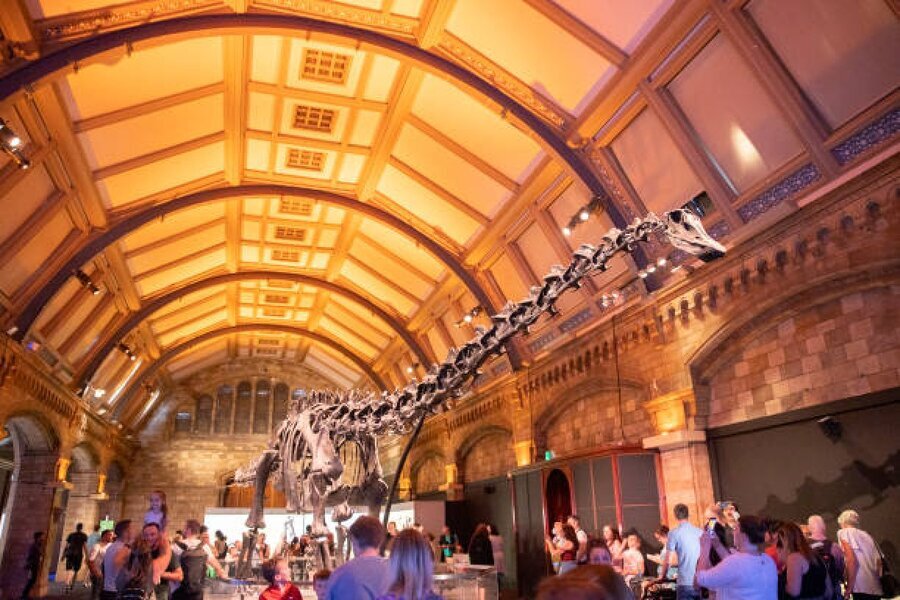
APATOSAURUS​


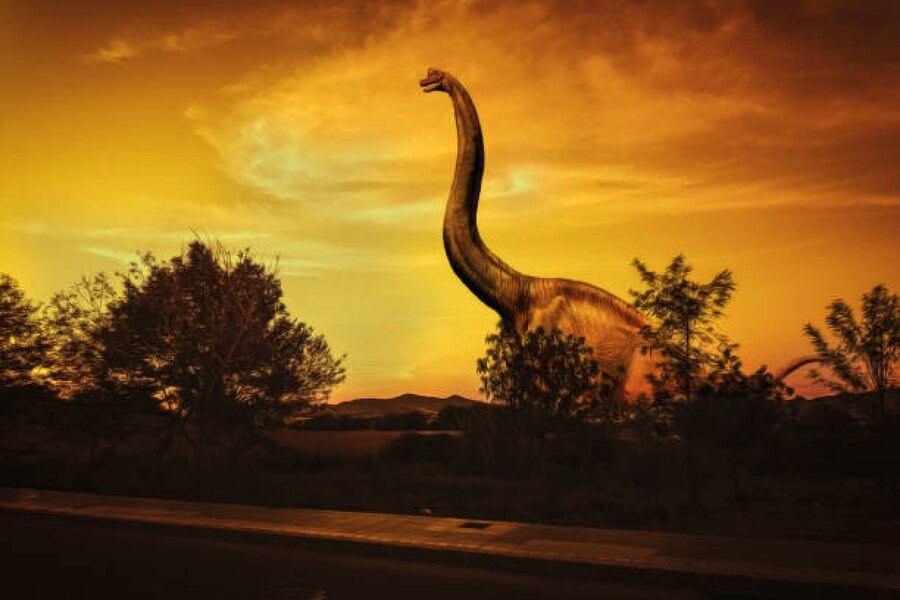
A herd of dinosaurs larger than highway trucks migrate across what’s now western North America. The group protects their babies from predators like Allosaurus by hiding the youngsters in the center of the herd. (And speaking of big babies: Apatosaurus eggs were about a foot long!) The 70-foot-long dinosaurs walk in search of tasty forest leaves.


A member of the sauropod group—four-legged plant-eaters with long necks and long tails—Apatosaurus lived alongside other giant herbivores like Diplodocus, Barosaurus, Brachiosaurus, and Camarasaurus during the late Jurassic Period, between about 156 million and 151 million years ago. How did all of these dinosaurs share the same food sources? Experts think perhaps different sizes of dinosaurs ate at different levels of the forest trees.

This Dino is named for the Greek words meaning “deceptive lizard” because at the time, scientists thought that some of its bones looked like those of mosasaurs, aquatic reptiles related to snakes and lizards that aren’t actually dinosaurs. Apatosaurus is a lot like its close relative Brontosaurus (which means “thunder lizard” in Greek). Until 2015, these Dinos were thought to be so similar that scientists wanted to give them the same name. (Apatosaurus was the winner because it was named first.) But today scientists think that Brontosaurus is its own type of dinosaur.

Another mistake? An Apatosaurus skeleton was displayed with the wrong head for many years. The fossilized skull of a Camarasaurus was found in the same site and mistakenly put atop the body of Apatosaurus at Carnegie Museum of Natural History in Pennsylvania from 1934 to 1979. Whoops!

Please, Log in or Register to view URLs content!


Please, Log in or Register to view URLs content!


Please, Log in or Register to view URLs content!


Please, Log in or Register to view URLs content!


​
 
BookReaderImages.php
 
Please, Log in or Register to view URLs content!
​


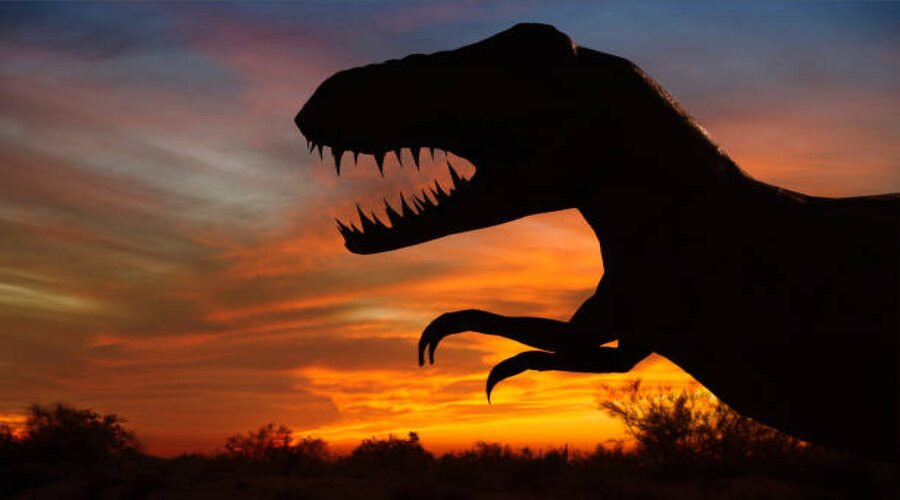
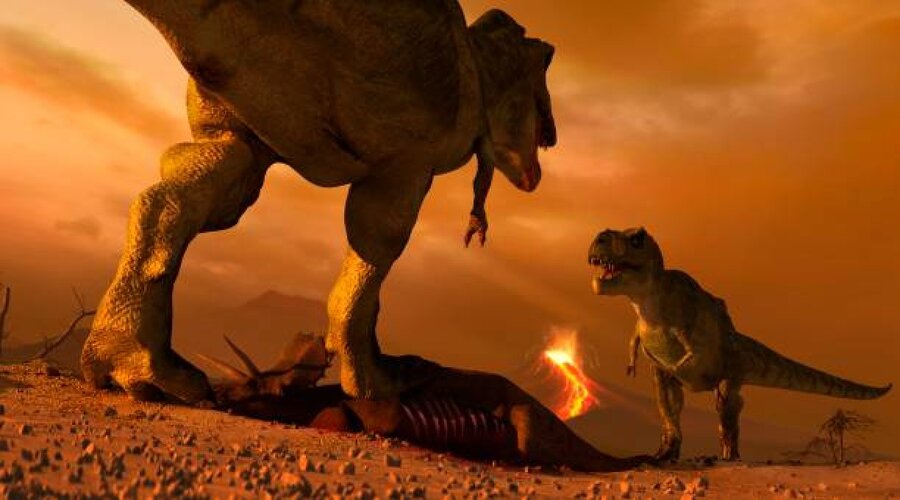
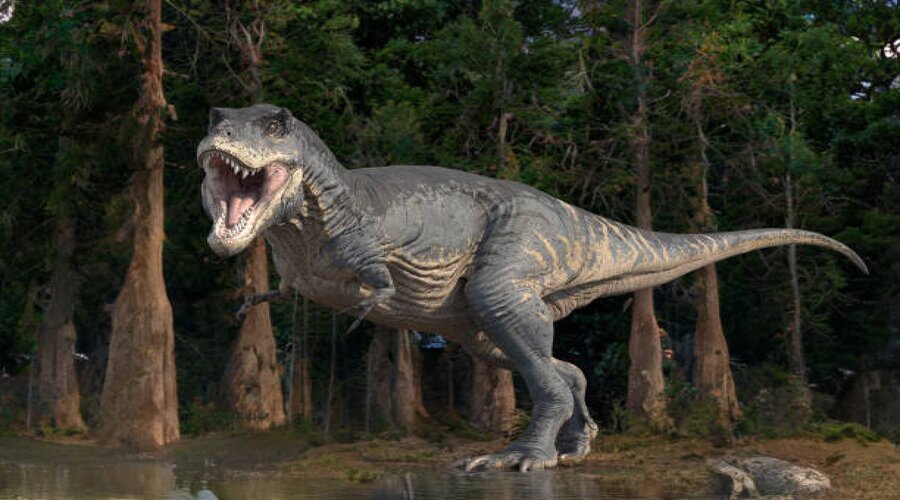
Tyrannosaurus Rex’s name was almost very different. In 1892, some of the first known bones of Tyrannosaurus were named Manospondylus gigas by Edward Drinker Cope, who thought that they belonged to a Triceratops-like dinosaur.

The first known skeleton of a Tyrannosaurus rex was discovered later in 1900 in Wyoming, USA, followed by another in 1902. Barnum Brown discovered both T. rex skeletons, and the species was later named by Henry Fairfield Osborn. Afterwards, scientists realised that Manospondylus gigas and Tyrannosaurus rex belonged to the same species. Normally, scientific naming rules mean that the first name given to a species should take priority.

However, as lots of scientists preferred to use the name Tyrannosaurus rex, Manospondylus stopped being used. With Tyrannosaurus rex meaning ‘tyrant lizard king’ and Manospondylus gigas meaning ‘giant porous vertebra’, it’s perhaps not that surprising that Tyrannosaurus stuck!
Currently, T. rex is the only member of the Tyrannosaurus group. Other members of the group have been named, but they aren't widely accepted by scientists.

*Please click the green link for further info.


w8gtsa.jpg


luglfn.jpg


ajti33.jpg


ffnbx1.jpg


​
 
Please, Log in or Register to view URLs content!
​


Triceratops was a herbivore. It lived in the Cretaceous period and inhabited North America. Its fossils have been found in places such as North Dakota, Wyoming and Saskatchewan (Canada). Triceratops is certainly one of the most recognizable dinosaurs of all time. Active during the late Cretaceious, its name derives from its three distinct horns on its head, just below an armored crest that protects its neck and shoulders. It plods around on all fours, and was an herbivore. It probably used its formidable arsenal for defense rather than hunting live prey.

Some researchers have suggested that Triceratops’ horns aren’t necessarily weapons at all, but rather they exist to attack a mate and intimidate rivals. It has been suggested that the genus Torosaurus may, in fact, be the elder adult form of the Triceratops. In much the same way that older bucks will grow increasingly elaborate antlers, the Torosaurus has a more elaborate head crest.

*Please click the green link for further info.


54c33d3d57ef.jpg


58d940fc5d00.jpg


ccd76e29be6b.jpg


6cbd89114775.jpg


​
 
Please, Log in or Register to view URLs content!
​


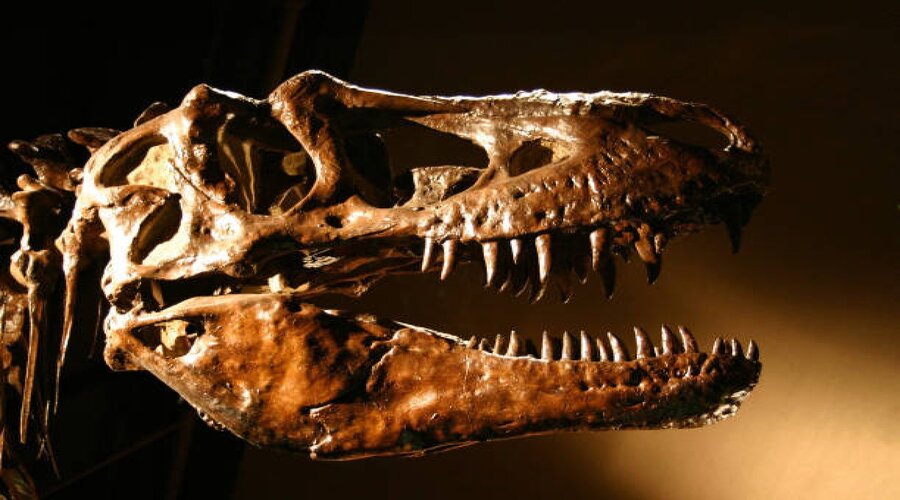
The Tyrannosaurs were a group of large carnivorous dinosaurs that roamed North America and Asia during the last part of the Cretaceous, 85 to 65 million years ago. The most famous tyrannosaur, of course, is Tyrannosaurus rex, known to every schoolchild, and one of the last non-avian dinosaurs to walk the earth before the great extinction.

Just about two dozen good specimens of these animals have been found and these finds are from highly restricted areas in western North America. Henry Fairfield Osborn, of the American Museum of Natural History in New York City, first described Tyrannosaurus rex in 1905. This first specimen of Tyrannosaurus is now on display at the Carnegie Museum of Natural History in Pittsburgh, Pennsylvania. The skeleton on display at UCMP is a cast of a skeleton (excavated in 1990) now in the Museum of the Rockies in Bozeman, Montana. Skeletons of a close relative of T. rex, Tarbosaurus, have been found in Mongolia.

*Please click the green link for further info.


262c3f63ba81.jpg


85fc4c3d0129.jpg


8f5a0faa57bb.jpg


13680ea02bb3.jpg


​
 
Please, Log in or Register to view URLs content!
​


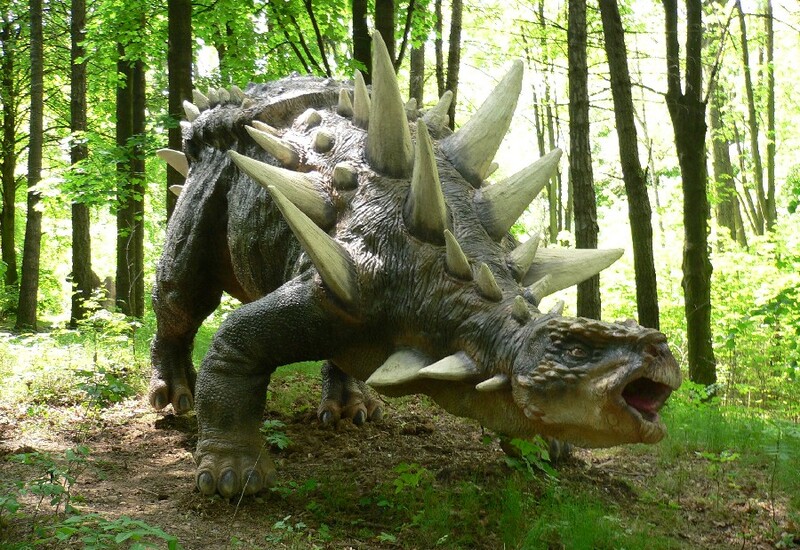
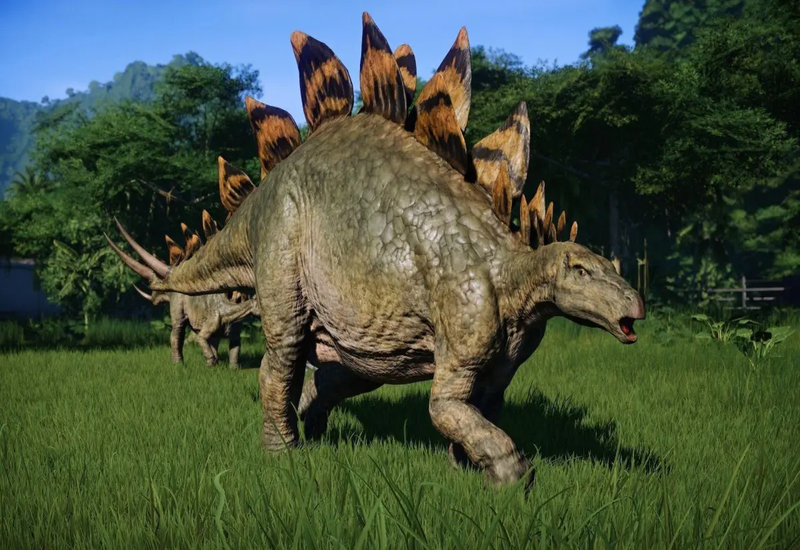
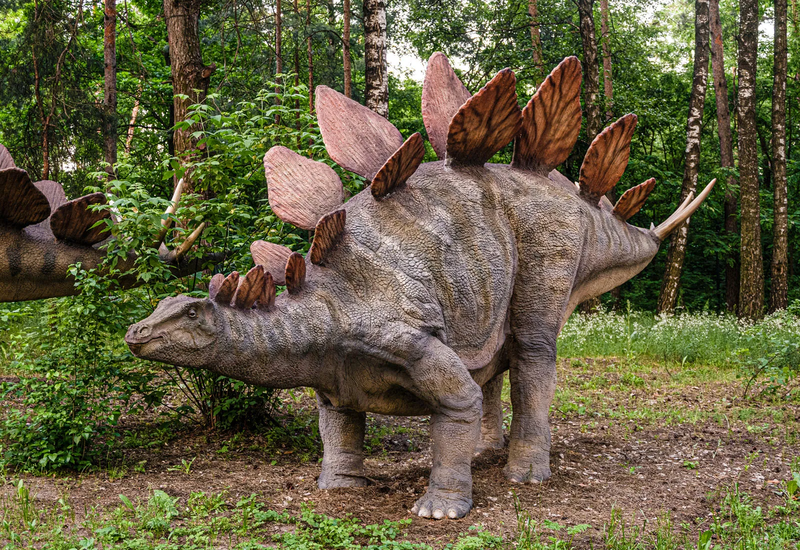
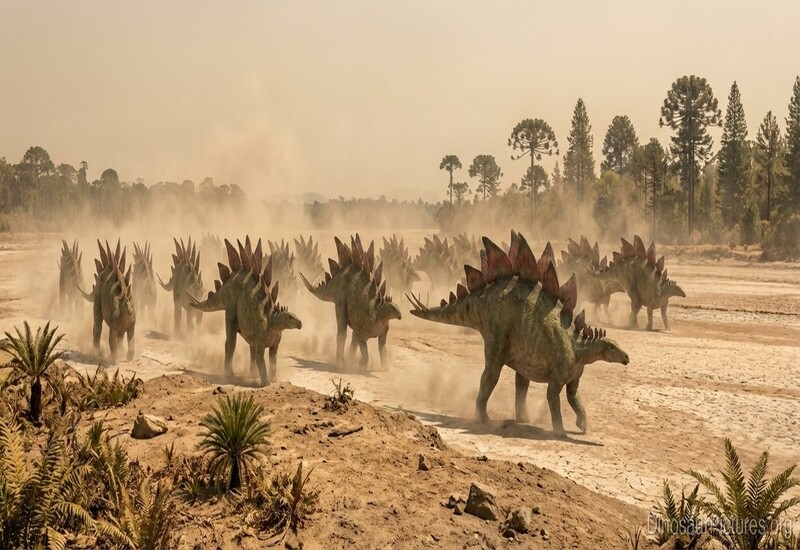
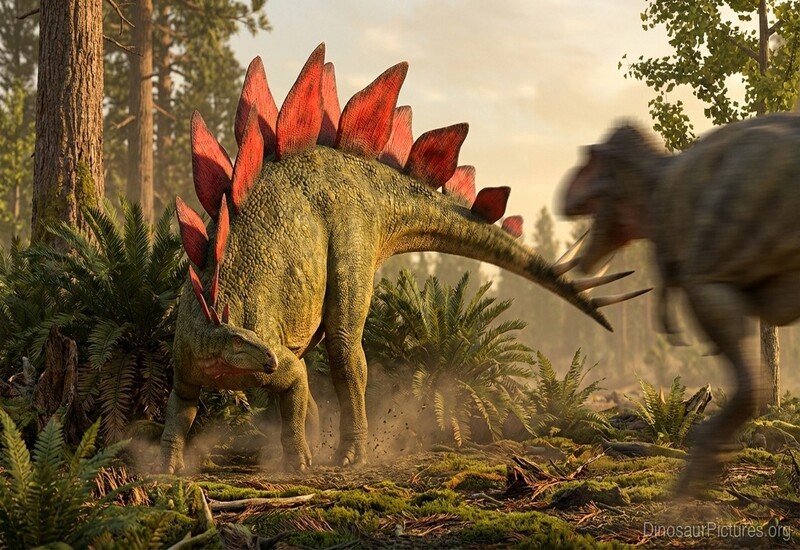
With its spiked tail and distinctive back plates, Stegosaurus is one of the most recognizable dinosaurs ever discovered. Living about 150 million years ago during the Late Jurassic, Stegosaurus roamed western North America, browsing on low-growing plants.

Stegosaurus was a heavily built herbivore, about 30 feet long, with a small head and a brain famously compared in size to a walnut. But what it lacked in intelligence, it made up for in defense. Its tail was armed with four deadly spikes, known as the “thagomizer,” capable of delivering powerful blows to predators like Allosaurus. The dinosaur’s iconic plates—large, flat structures rising from its back—remain one of paleontology’s greatest mysteries. They may have helped regulate body temperature, served as display structures, or made Stegosaurus appear larger and more intimidating. Stegosaurus has become a symbol of dinosaurs in general, often appearing in children’s books, cartoons, and museum exhibits. Its unusual shape makes it instantly memorable, even to people who know little about prehistoric life.


*Please click the green link for further info.


e5765e6032bd.jpg


de05c017677a.jpg


bfc989957df6.jpg


68ae5b4bd987.jpg


​
 
Please, Log in or Register to view URLs content!
​


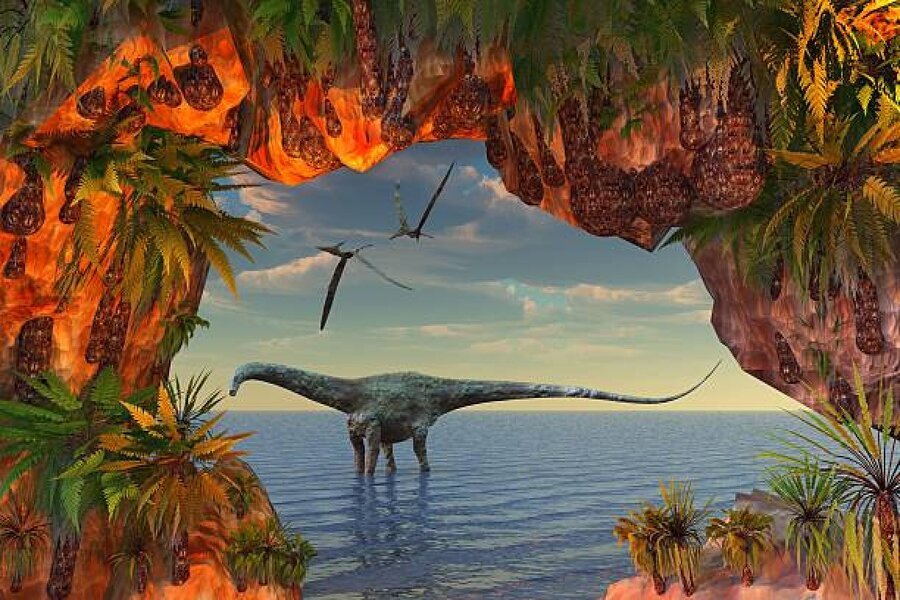
Diplodocus longus is a species of sauropod dinosaur from North America. It lived during the Late Jurassic Period, about 150 million years ago. Diplodocus was one of the most abundant sauropods (long-necked dinosaurs) in the Morrison Ecosystem. Its pencil-like teeth were only in the front of the mouth and likely were used to strip leaves off of low-growing plants. It could get up to 92 ft (28 m) in length and probably traveled in small herds. Despite its length, Diplodocus was lightly built compared to other sauropods. An Apatosaurus would've probably weighed 2 to 3 times more than a Diplodocus of similar size.

*Please click the green link for further info.


a68b0404a7d9.jpg

053c00374e8c.jpg

1732fb8407af.jpg

603eb6d2354d.jpg


​
 
Please, Log in or Register to view URLs content!
​


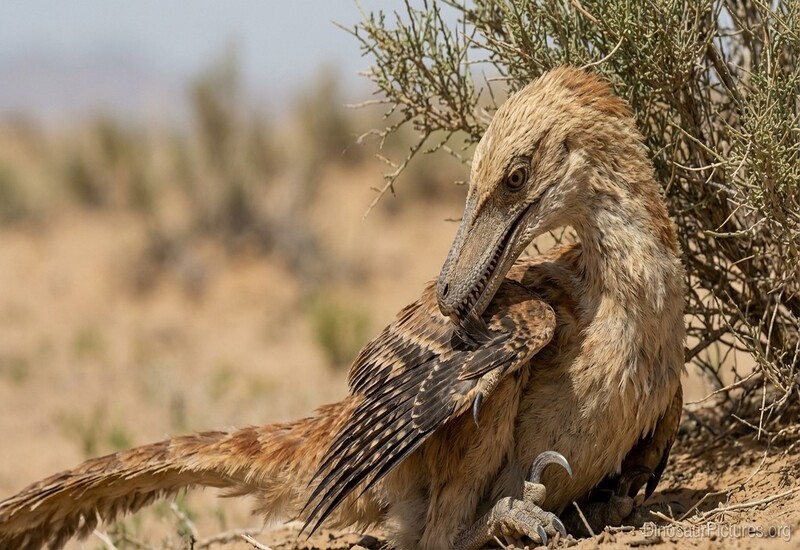
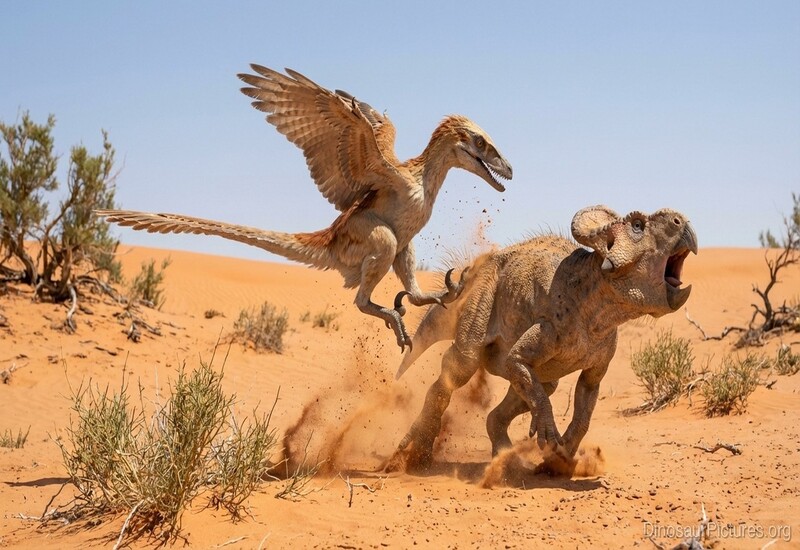
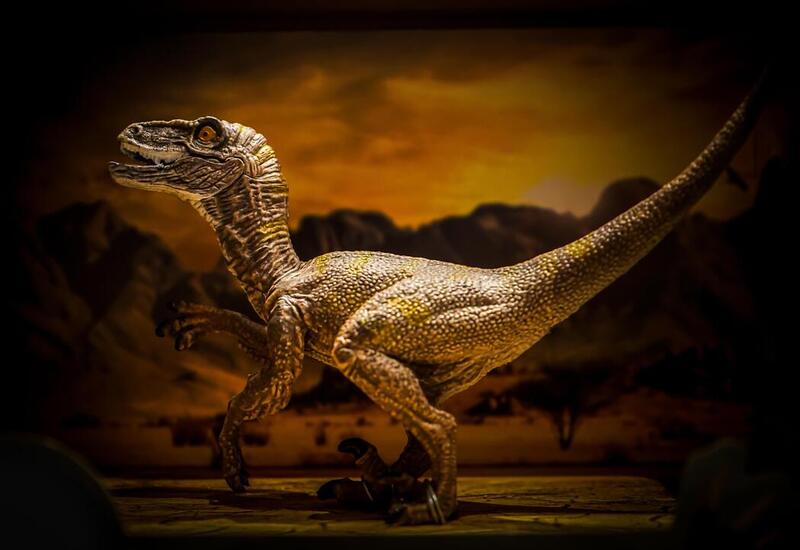
Few dinosaurs have enjoyed as much modern fame as Velociraptor, thanks largely to its starring role in the Jurassic Park franchise. Though the real Velociraptor was much smaller than its movie counterpart, it was still a formidable predator that lived about 75 million years ago in Mongolia. Velociraptor was roughly the size of a turkey, but it was fast, agile, and equipped with deadly weapons. Its most famous feature was the large sickle-shaped claw on each foot, used to slash and pin down prey. Fossils also show that Velociraptor was covered in feathers, linking it closely to modern birds.

What makes Velociraptor so iconic is its reputation for intelligence. While pack hunting remains debated, its anatomy suggests it was an active and strategic predator. Pop culture has transformed it into the ultimate “smart dinosaur,” making it a fan favorite worldwide. Velociraptor symbolizes speed, cunning, and danger. Its blend of scientific intrigue and Hollywood fame ensures it remains one of the most recognizable dinosaurs ever discovered.

*Please click the green link for further info.


93f4c98352ff.jpg

4c2bda9df110.jpg

a23b999761bd.jpg

65b5cf1f9d57.jpg


​
 
Please, Log in or Register to view URLs content!
​


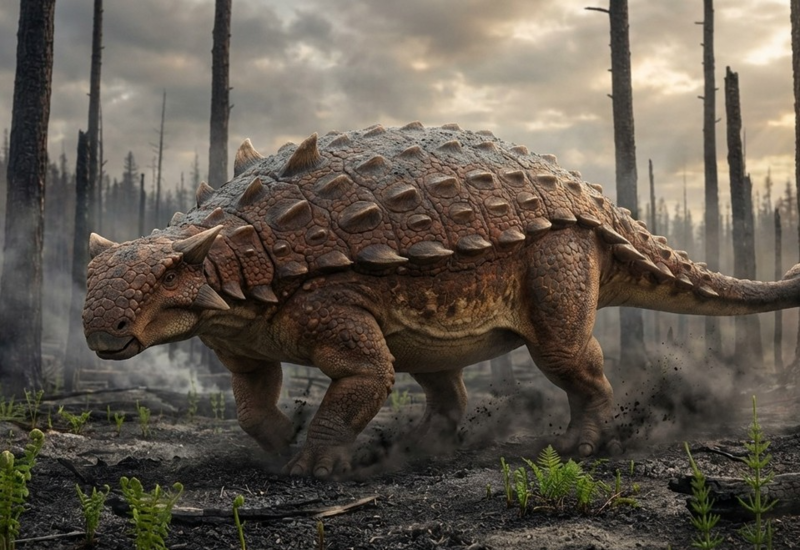
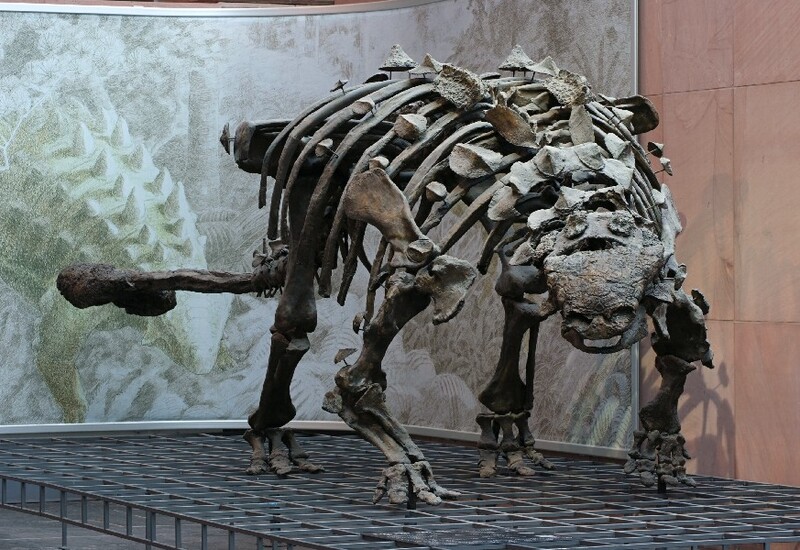
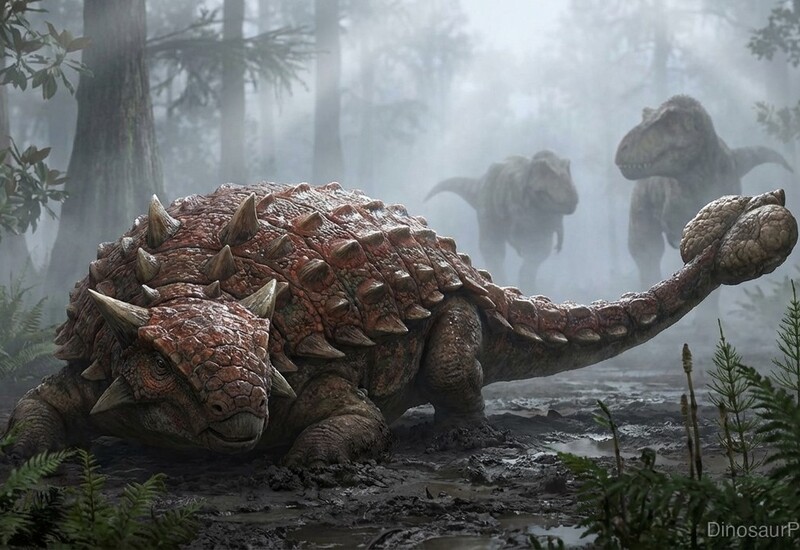
Often compared to an army tank or bus, Ankylosaurus was a heavily armored dinosaur with a large club-like protrusion at the end of its tail. Ankylosaurus means "fused lizard" in Greek, and it was given that name because bones in its skull and other parts of its body were fused, making the dinosaur extremely rugged. Ankylosaurus lived in the late Cretaceous Period, about 65.5 million to 66.8 million years ago, and roamed the Western United States and Alberta, Canada.

While this herbivorous dinosaur was a massive animal, a re-examination of its fossils in 2004 by armored dinosaur expert Kenneth Carpenter downsized it a bit. The largest Ankylosaurus specimen ever found was 20.5 feet (6.25 meters) long, 5.6 feet (1.7 m) tall at the hips and 4.9 feet (1.5 m) wide, according to the study, published in the Canadian Journal of Earth Sciences. It likely weighed up to 4 tons (3.6 metric tons).

The top of the dinosaur was almost completely covered with thick armor consisting of massive knobs and oval plates of bone, known as osteoderms or scutes, which are also common on crocodiles, armadillos and some lizards. "They are bones that form within the skin, just like crocodiles," Carpenter, who's the director of the USU Eastern Prehistoric Museum in Utah, told Live Science.

*Please click the green link for further info.


35f6b2bbf75d.png


8f8b5116890b.jpg


ff0fa388eaa4.jpg


8157df944412.jpg


​
 
Please, Log in or Register to view URLs content!
​


Stegosaurus is a plant eating dinosaur with plates on its back and spikes on its tail. Stegosaurus ungulatus is a species of ornithischian dinosaur from the Late Jurassic of North America, found in the Morrison Formation. Stegosaurus means “roofed lizard,” a reference to its plates. The function of these plates has been debated by paleontologists. One theory is that the plates contained blood vessels, to help regulate body temperature. Another idea is the plates were used for display to attract mates, like colorful feathers on a bird or antlers on a deer. The plates also could have been used for protection from predators. Since the plates were not directly attached to the bones of the skeleton, they were easily separated from the body after death. Massive spikes on the end of its tail were used in defense against predators. At Dinosaur, many isolated plates and spikes have been found throughout the Carnegie Quarry.

*Please click the green link for further info.


5a97c869492a.png


5795d9a08f1f.png


66dd9ac4a296.jpg


0aa333cd9502.jpg


​
 
Please, Log in or Register to view URLs content!
​


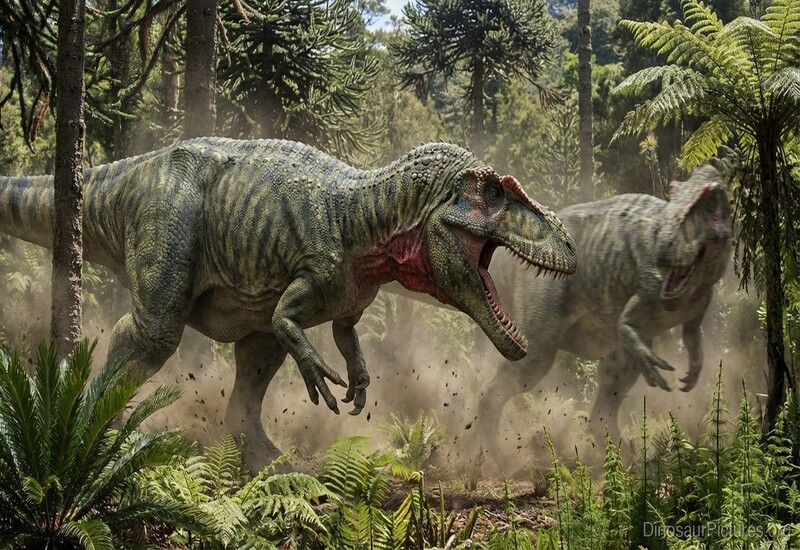
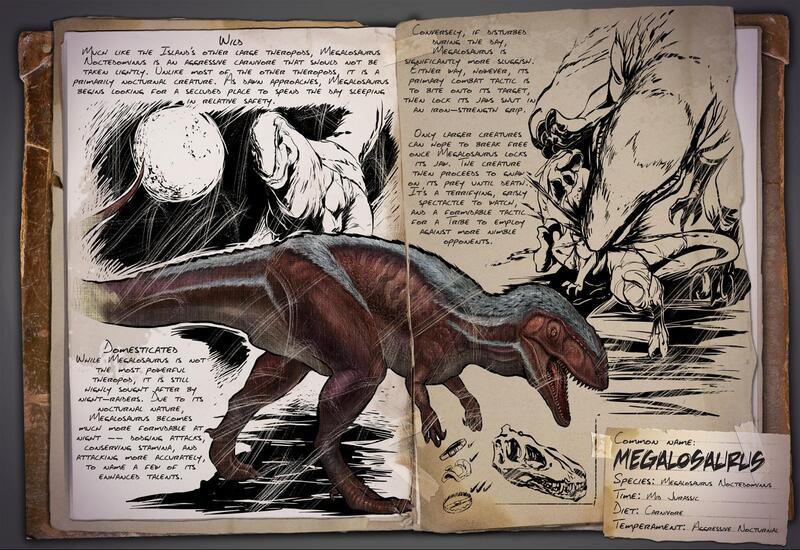
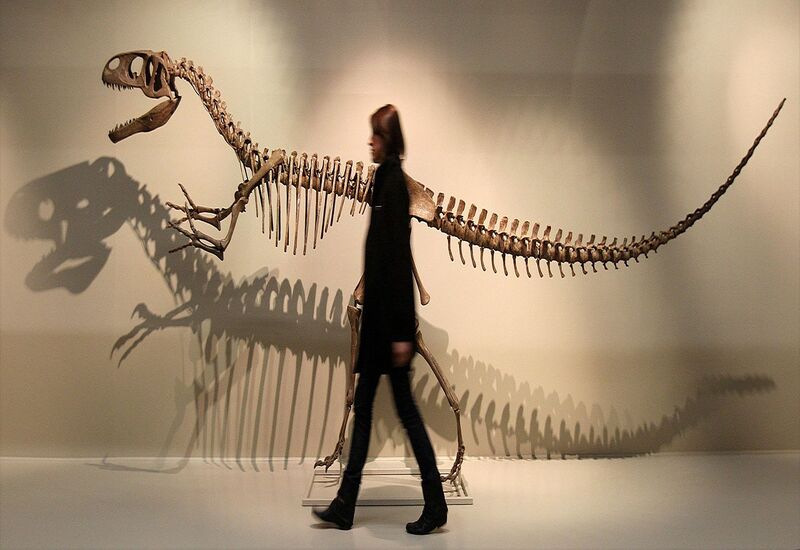
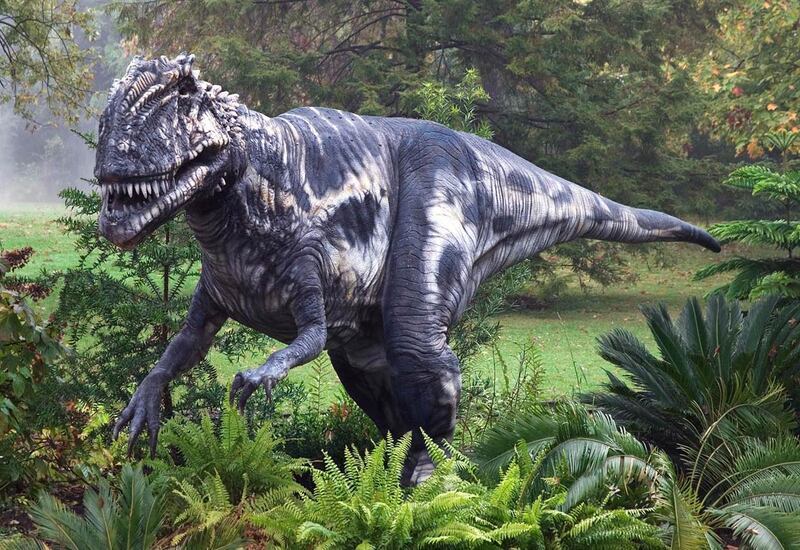
Megalosaurus is recognized as the first dinosaur species to be formally identified and described in scientific literature. Discovered in the early nineteenth century in Oxford, England, by William Buckland, a Christian minister and fossil hunter, its bones highlighted the reality of extinction at a time when the concept was just emerging. Despite its significance, Megalosaurus remains somewhat enigmatic due to the absence of a complete skeleton. It is classified as a theropod dinosaur, characterized by its stiff tail, three curved claws, and sharp teeth, and is part of a broader group known as Torvosauroidea.

This carnivorous dinosaur likely hunted smaller herbivorous dinosaurs in its warm, humid Jurassic environment, approximately 165 million years ago. While its large head and powerful hind limbs suggest a predatory lifestyle, some evidence indicates it may have occasionally scavenged. Fossilized tracks indicate that Megalosaurus could reach speeds up to 32 kilometers per hour.

*Please click the green link for further info.


a33609b1a9ee.jpg

6bf741840346.jpg

8e5313403f54.jpg

10afa4210131.jpg


​
 
Last edited: