Scary Places

Alticus

MR. EXCITEMENT
Reaction score
5,451
Location
Los Santos
Please, Log in or Register to view URLs content!
​


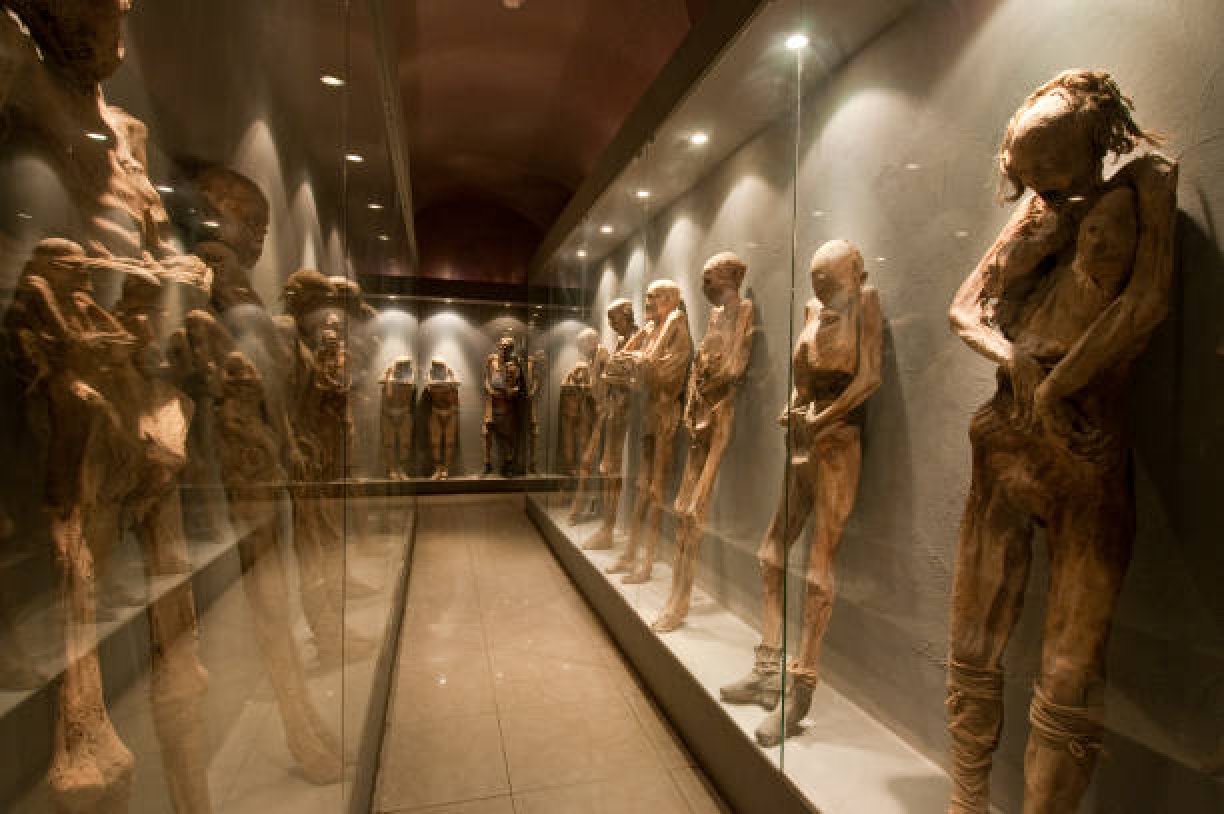
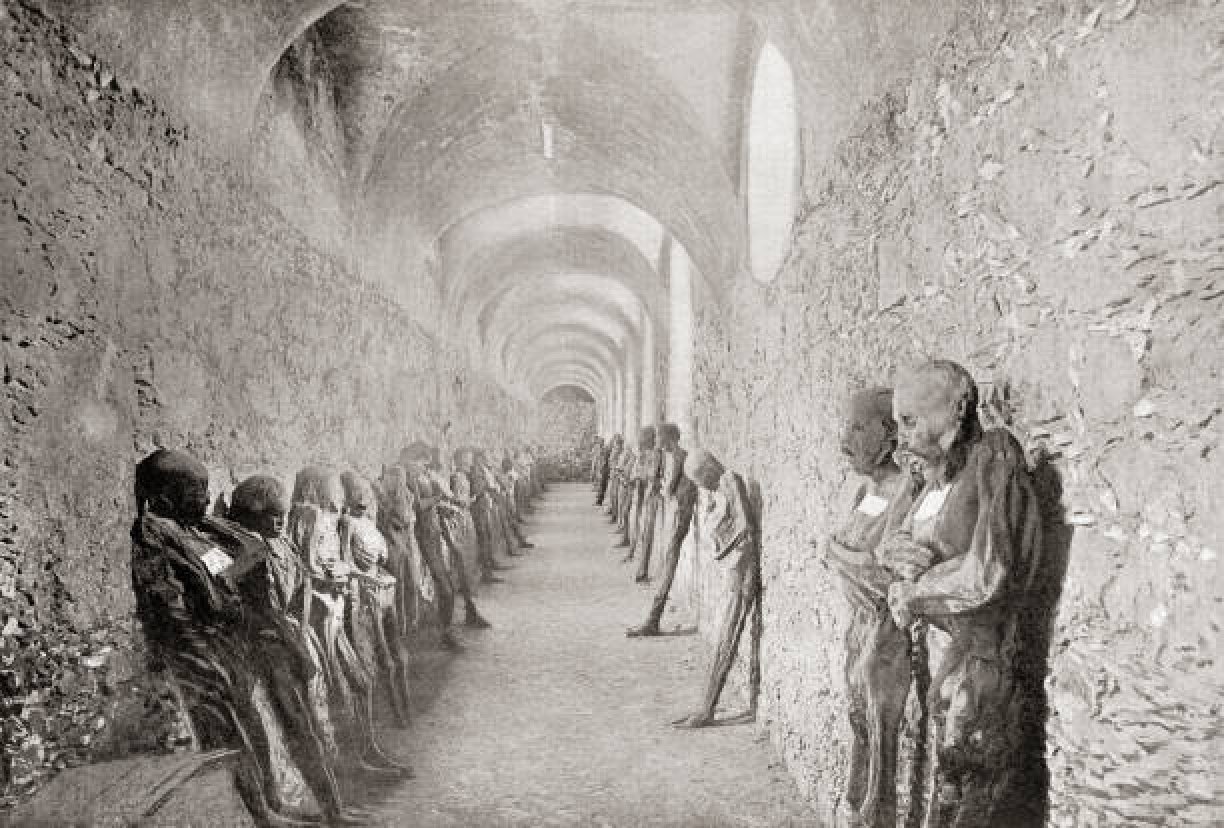
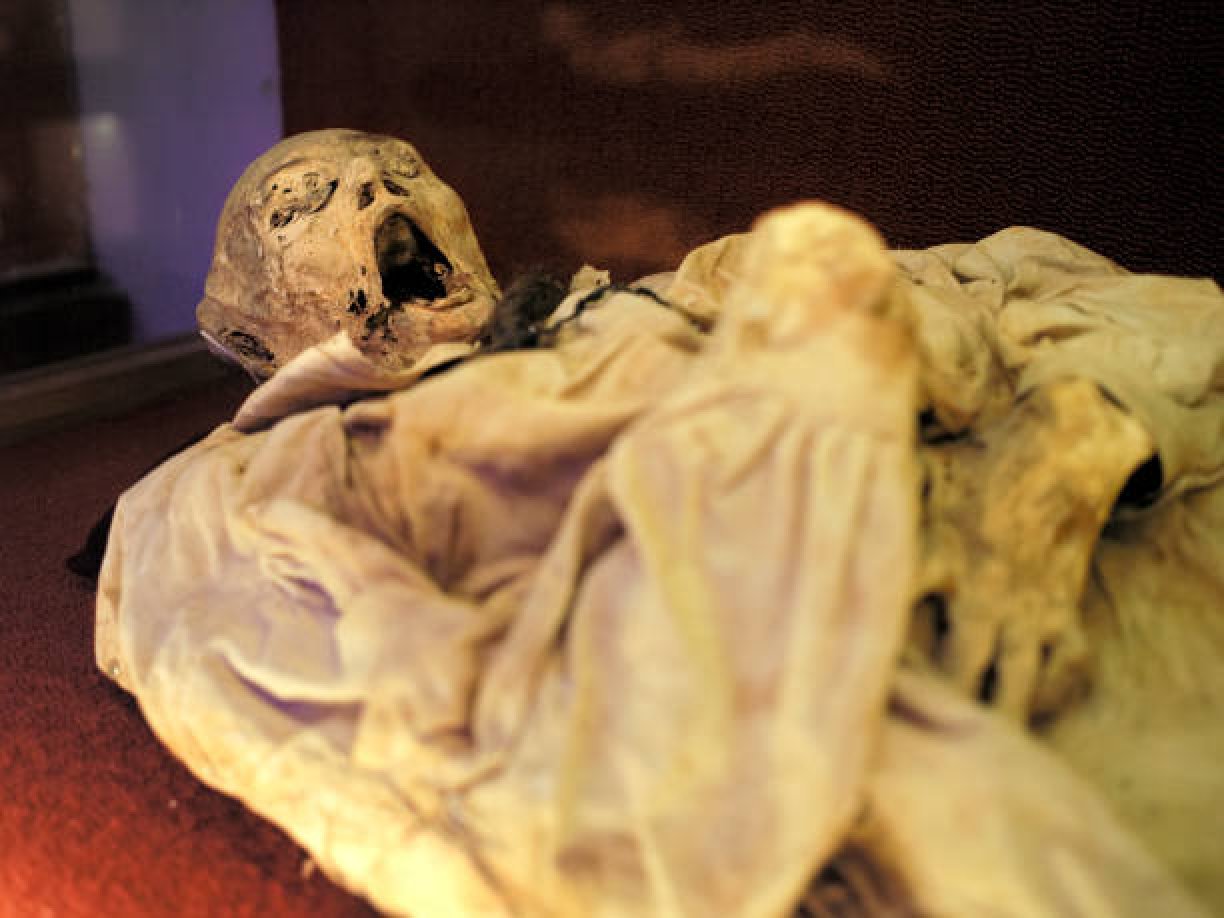
Guanajuato, Mexico, has been on the UNESCO World Heritage list since 1988, thanks to its colonial Spanish architecture, silver-mining history, and sites related to the Mexican Revolution. Its baroque churches, narrow cobblestone streets, and candy-colored houses are postcard-pretty, but the biggest tourist attraction in the central Mexican city is darker and more gruesome than all that: an underground museum of one hundred mummies.

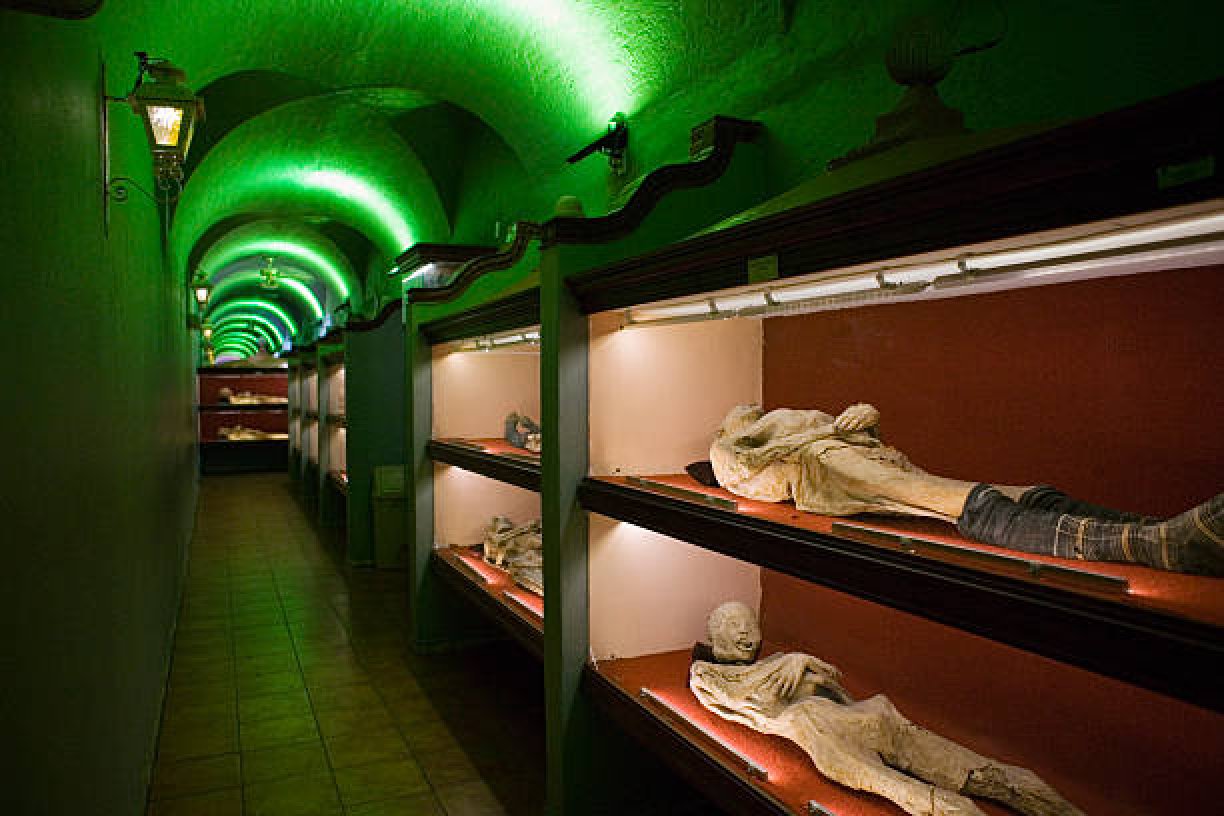
The slack-jawed men, leathery-skinned infants, and other corpses have been luring curious travelers for more than a century. Visitors first paid a few pesos to view the mummies in an underground crypt. Since 1969, they’ve been displayed under spooky spotlights at the Museo de las Momias.

These naturally preserved corpses (no bandages or embalming here) from the 19th and 20th centuries are a revenue generator and a source of local pride for this city about an hour’s drive west of San Miguel de Allende. “The mummies of Guanajuato bring the biggest economic income to the municipality after property tax,” says Mexican anthropologist Juan Manuel Argüelles San Millán. “Their importance is hard to overstate.”


*Please click the green link for further info.


n40qko.jpg


igcxxf.jpg


r24epm.jpg


bn7hkv.jpg


​
 
Please, Log in or Register to view URLs content!
​


Tucked away in the small Mexican town of Santa Ana Chapitiro is a grim, yet endlessly festive temple devoted to Nuestra Señora de la Santa Muerte, the dead saint. A personification of death, Santa Muerte is associated with healing, protection, and safe delivery to the afterlife by her devotees. Despite opposition by the Catholic Church, her cult arose from popular Mexican folk belief, a syncretism between indigenous Mesoamerican and Spanish Catholic beliefs and practices.

Since the pre-Columbian era Mexican culture has maintained a certain reverence towards death, which can be seen in the widespread commemoration of the syncretic Day of the Dead. Elements of that celebration include the use of skeletons to remind people of their mortality. The worship is condemned by the Catholic Church in Mexico as invalid, but it is firmly entrenched among a small percentage of Mexican culture. Unlike “Dia de los Muertos,” which is widely celebrated and is part of Mexican culture. Santa Muerte and Dia de los Muertos are two different and separate things, not to be confused or lumped together.

*Please click the green link for further info.


7bff728716fc.jpg


03071e56ed7b.jpg


e0051b5836c9.jpg


ebd2745d9c15.jpg


​
 
Please, Log in or Register to view URLs content!
​


The idea of Dudleytown as a haunted location developed gradually and intensified in the 20th century. One contributing factor was the visit by paranormal investigators Ed Warren and Lorraine Warren, who reportedly described the area as being influenced by something dark or unsettling. While their conclusions added to Dudleytown’s mystique, they were anecdotal and not supported by independent investigation.

Popular culture also played a significant role. The release of The Blair Witch Project in 1999 — which centered on a haunted forest — coincided with renewed public fascination in wooded, abandoned locations. Although unrelated, the film’s themes likely amplified interest in Dudleytown and reinforced its reputation as a paranormal hotspot.

*Please click the green link for further info.


443707c79caf.png


cf3b6fbb8bbb.png


e01fb2a717f9.png


29d5122f23af.jpg


​
 
Please, Log in or Register to view URLs content!
​


The Darvaza Gas Crater is a large crater in the Karakum Desert of north-central Turkmenistan where thousands of flames fueled by seeping natural gas have been burning for decades. The flaming crater's sights and sounds are frightening enough that local people call it the "Door to Hell" or the "Gates of Hell".

Each dancing flame marks the spot where natural gas (methane) emerges from the walls, from the floor, or from the talus piles within the crater. When the natural gas emerges, oxygen in the atmosphere causes it to burst into flames. People approaching the crater hear the sound of the flames and feel heat that is too intense to stand at some points along the crater's edge. The heat and an odor of combustion can be sensed for some distance downwind. The crater is located near the village of Darvaza, also known as Derweze, in north-central Turkmenistan - about 160 miles (260 kilometers) north of the Turkmen capital of Ashgabat.

*Please click the green link for further info.


Derweze (Turkmen language: The Gate, also known as Darvaza) Turkmenistan village of about 350 inhabitants, located in middle of Kara-Kum desert, about 260 km north from Ashgabat.

4ffb7921fd2b.jpg


The Darvaza Gas Crater in Turkmenistan. Gas coming from the ground is burning in the crater. The diameter of the hole is about 70m.

120bb362e4a8.jpg


Darvaza Gas Crater, Gates of Hell, is a burning gas field near Darvaza, Turkmenistan.

5418b7c43c62.jpg
]


View of the gas crater at dawn. A tent and a tourist jeep can be seen near the safety railing. The gas crater is a result of engineers drilling the site for oil, but instead, found a gas field which collapsed into a crater. Fearing that the gases would cause danger to nearby towns, they decided to light it up to burn it off. Unfortunately it had been burning ever since.

1aa8b3c1a0ad.jpg


​
 
Please, Log in or Register to view URLs content!
​


Thirty miles outside of New York City, nestled in the Long Island town of Amityville, stands the house forever linked to The Amityville Horror phenomenon. On November 13, 1974, the estate was the scene of a mass murder. Using a .35 Marlin rifle, 23-year-old Ronald J. DeFeo Jr. murdered his parents and four siblings while they were asleep.

Thirteen months later, the Lutz family purchased the home at a drastically reduced price of $80,000 but only lasted 28 days before leaving it. Their spine-tingling tales of paranormal activity—from dark specters to disembodied voices and rancid smells—propelled the 1977 book The Amityville Horror and the torrent of books, documentaries, and movies that followed.

*Please click the green link for further info.


Frank Burger of Farmingdale, New York takes a photo of the home at 112 Ocean Ave. in Amityville, New York as a group of curious onlookers gather on February 15, 1976. The house is the former home of the DeFeo family, who were murdered by Ron DeFeo. The subsequent owners of the property, George and Kathleen Lutz, claimed the house was haunted.​

ff1b4c35eec9.jpg


George Lee and Kathleen Lutz became the owners of the famous house that would become the source material for the novels and then the films about the Amityville case.​

786becd9deb3.jpg


View of the home of Ronald DeFeo Sr. car salesman, his wife, two daughters and two sons were found shot to death on 11/14/1974. Ronald DeFeo Jr., 23, the only surviving member of the family, who called the police to report the slayings, was being questioned by police. The Amityville Horror is based on this case.​

918c798f378a.jpg


Real estate photograph of a house located at 112 Ocean Avenue in the town of Amityville, New York March 31, 2005.​


0ed18c1218fa.jpg


​
 
Please, Log in or Register to view URLs content!
​


In the late eighteenth century, when major public health problems tied to the city’s cemeteries led to a decision to transfer their contents to an underground site. Paris authorities chose an easily accessible site that was, at the time, located outside the capital: the former Tombe-Issoire quarries under the plain of Montrouge. The first evacuations were made from 1785 to 1787 and concerned the largest cemetery in Paris, the Saints-Innocents cemetery.

*Please click the green link for further info.


In 1785, Paris decided to solve the problem of its overflowing cemeteries by exhuming the bones of the buried and relocating them to the tunnels of several disused quarries, which were consecrated as a cemetery. It is estimated that about one million bodies are buried here.

3c6883fcbbc7.jpg


A record number of visitors seek relief in the Paris Catacombs during a heat wave on July 15, 2026 in Paris, France. Around 20 metres beneath the streets of Paris, the renovated sections of the underground ossuary maintain a constant temperature of about 14°C, making them one of the coolest publicly accessible places in the city.

caf6467a8038.jpg


A heart made of skulls in the Paris Catacombs where over six million Parisians were reinterred after the city cemeteries were emptied beginning in the late 18th century.

5e1e5debdd9a.jpg


View of the Paris Catacombs after renovation. After being closed for around six months, the Paris Catacombs are open again - better protected and with new details.

24bda1f6540d.jpg


​
 
Please, Log in or Register to view URLs content!
​


One of South America’s most adrenaline-inducing activities is a death-defying ride down Yungas Road. Sheer thousand foot drops await anyone daring enough to take on this 60+ kilometer downhill thrill ride. Bolivia’s Death Road has gained notoriety and infamy among backpackers and adventure travelers across the world. It’s pretty easy to see why this adventure has piqued the fascination of anyone traveling through Bolivia. When this narrow, winding road through the mountains was still in use, hundreds of people died every year from accidents.

*Please click the green link for further info.


Camino de la muerte, Death Street, considered the most dangerous road in the world, Andes near La Paz, Bolivia.

54119f19215f.jpg


The Death Road is a 61km road leading from La Paz to Coroico, 56 km northeast of La Paz in the Yungas region of Bolivia.

08bebd199ece.jpg


A landscape view headed towards Yungas Road from La Paz, Bolivia. When biking down Yungas Road from La Paz to Coroico, cyclists must first traverse the road illustrated here.

7d3749f99978.jpg


The Death Road-The most dangerous road in the world, North Yungas, Bolivia.

3ddf8ef48ec0.jpg


​
 
Please, Log in or Register to view URLs content!
​


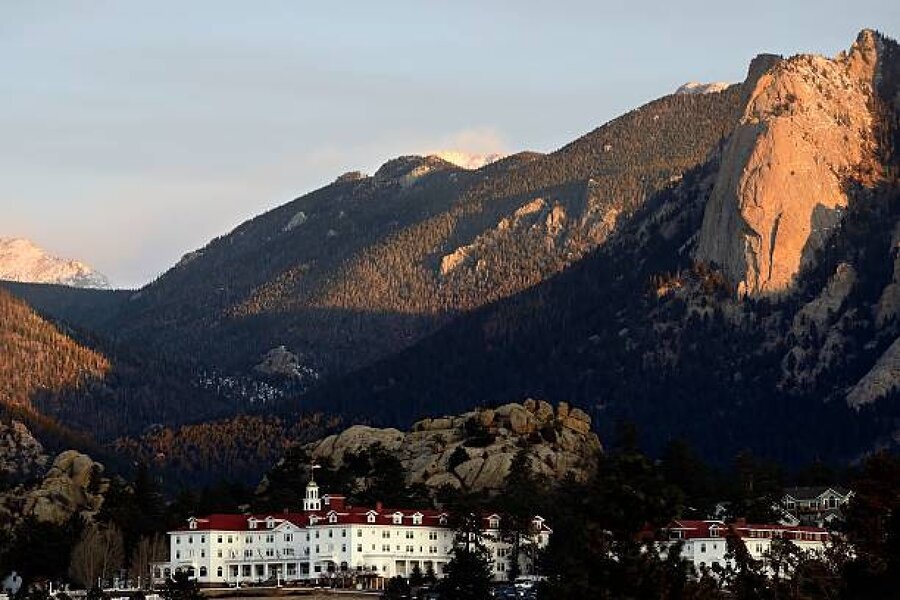
Regardless of whether or not you believe in ghosts, you can’t deny the Stanley Hotel’s ability to inspire fear and intrigue. Let’s uncover the creepy legacy of this iconic Rocky Mountain destination and its supposedly haunted history.

Stanley’s spooky past is built on a combination of provable facts and events, and loads of anecdotal evidence and speculation. There are hotel guests and staff accounts of hearing disembodied voices, being touched by something or someone they can’t see, and all manner of other strange and unexplainable occurrences.

Today, the Stanley Hotel is a large, stately lodge that overlooks the mountain town of Estes Park. But before the hotel and town were established here, Estes Valley was an idyllic landscape replete with mountain streams and meadows that Ute and Arapaho tribes called home, according to the hotel’s website.

*Plese click the green link for further info.


The famous Stanley hotel in beautiful Estes Park in the Rocky Mountains of Colorado.​

921995302b6b.jpg


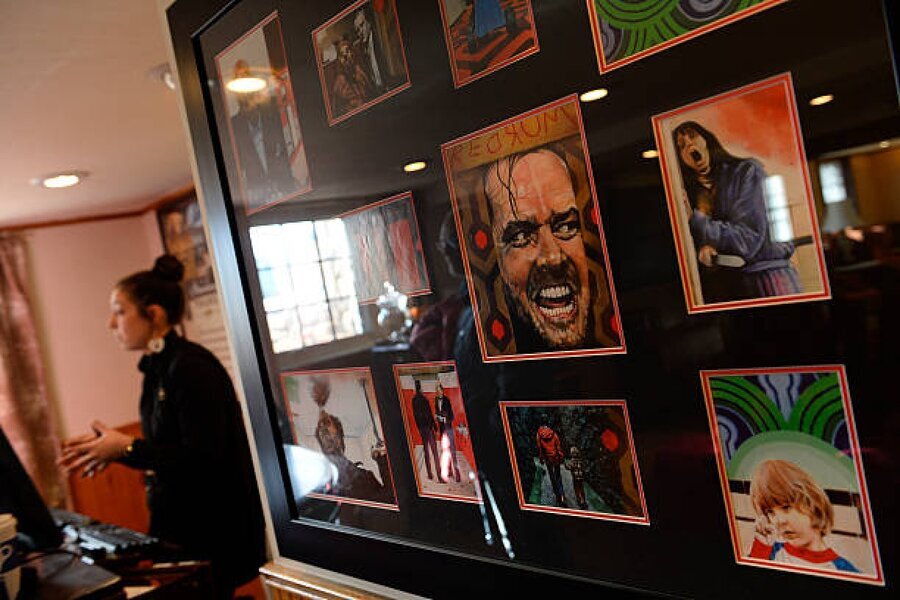
Tour guide Jofia Ross, left, talks to visitors next to a display of movie memorabilia from the popular movie "The Shining" at the Stanley Hotel on January 12, 2016 in Estes Park, Colorado.


742649d9e828.jpg


These are keys that were once used in the rooms on display in the Stanley Hotel on January 12, 2016 in Estes Park, Colorado.


3ab7bb1d5c8a.jpg


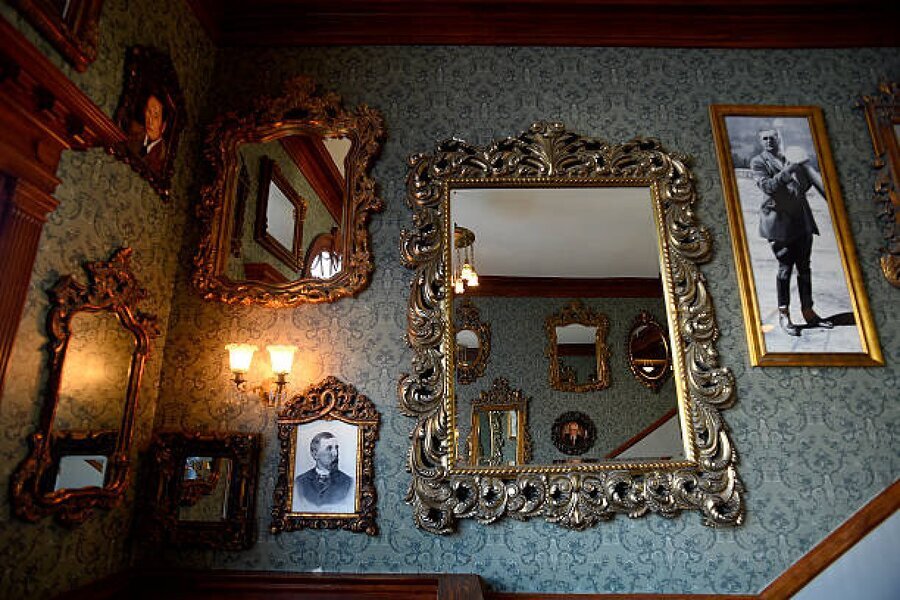
An array of old mirrors and pictures of previous owners are mounted on the walls on the main staircase in the Stanley Hotel on January 12, 2016 in Estes Park, Colorado.


bee224bbf292.jpg


​
 
Please, Log in or Register to view URLs content!
​


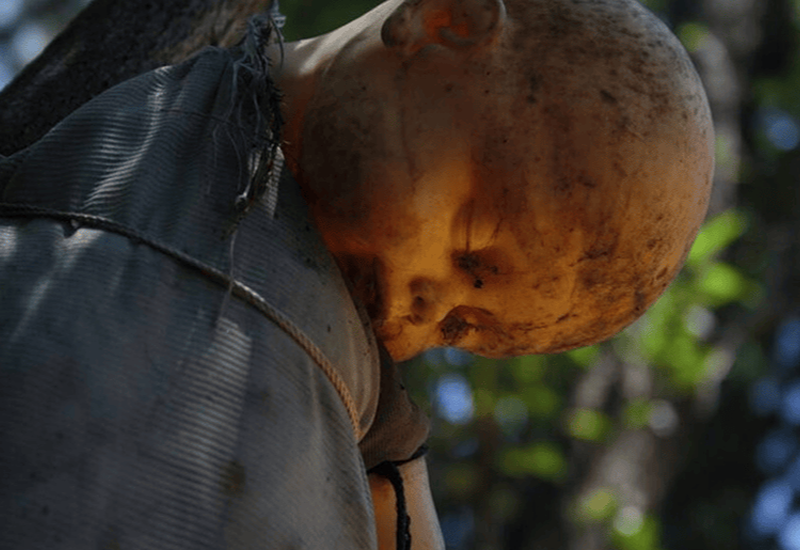
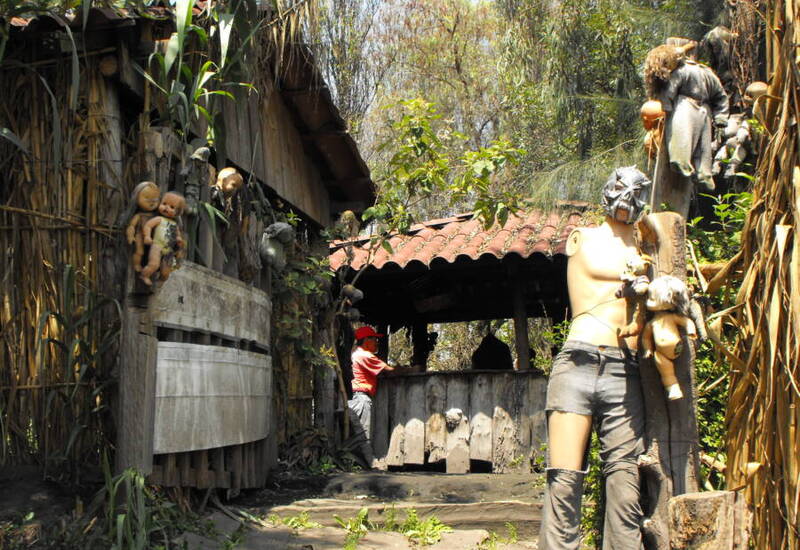
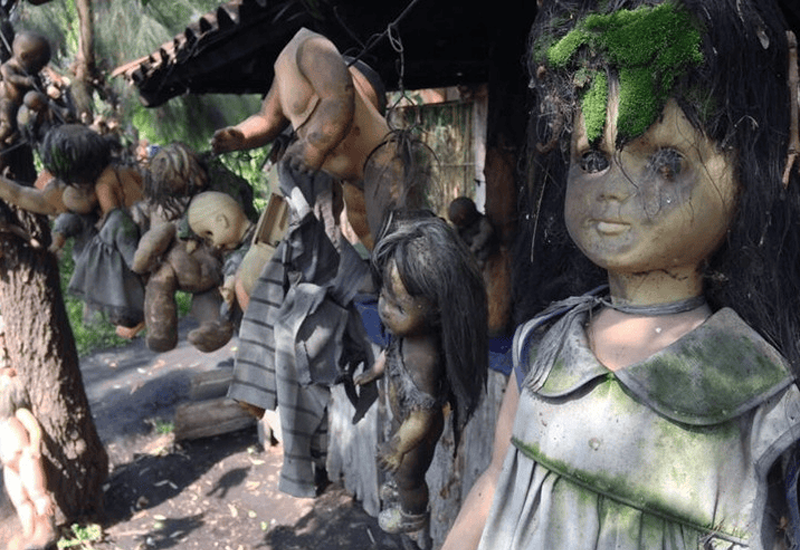
Some visitors claim they can hear the dolls whispering in the trees.​

3f549f21683e.png


A rare mannequin amidst the ubiquitous dolls.​

c3fe6a7f9183.jpeg


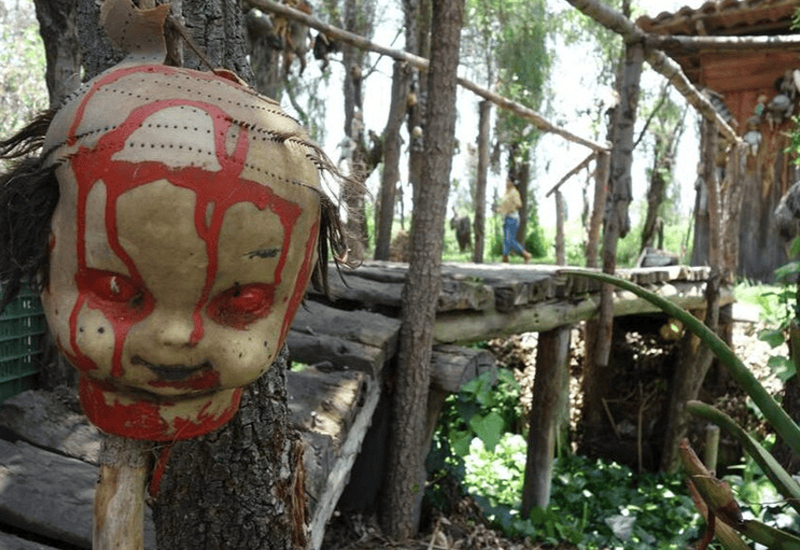
As if decapitated dolls hanging from the trees weren't spooky enough, this one is covered in simulated blood.​

07c635d4f4fa.png


The Island of the Dolls has a gift shop and makeshift museum showcasing newspaper clippings about Barrera.​

a255f27b0223.png


​
 
Please, Log in or Register to view URLs content!
​


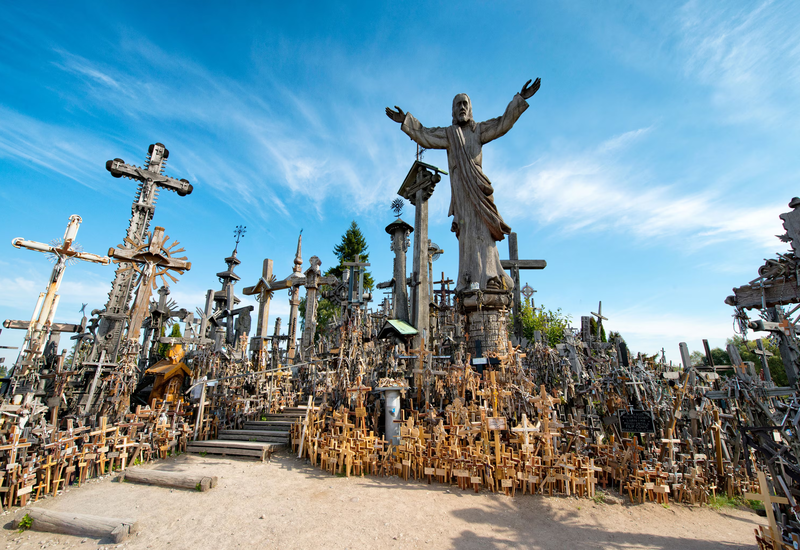
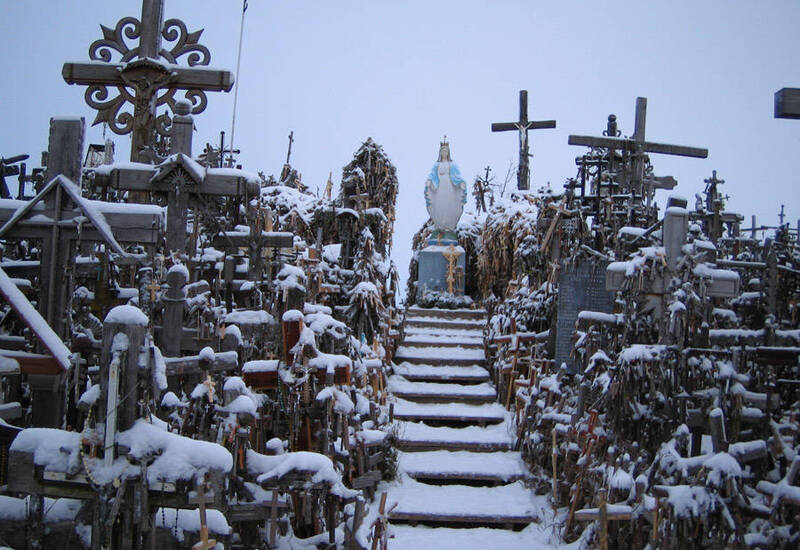
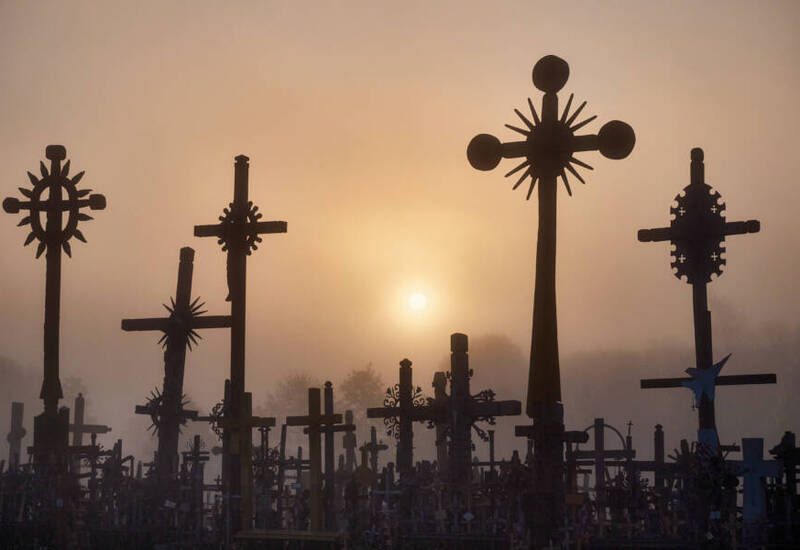
The exact origins of Lithuania's Kryžių Kalnas, or the Hill of Crosses, remain a mystery. Just outside the northern city of Šiauliai, thousands of metal and wooden crosses—placed here for nearly two centuries—have found a home on the growing mound of religious fervor. Dangling rosaries chime in the blowing wind and provide a rolling soundtrack for icons of saints and photographs of revered local patriots. Despite many attempts to destroy it, this unusual pilgrimage site endures as a powerful testament to devotion.

*Please click the green link for further info.


The image shows the Hill of Crosses (Kryžių kalnas), a famous pilgrimage site located near the city of Šiauliai in northern Lithuania.


475ccc874a71.png


The hill was considered a place of "peaceful resistance" during Lithuania's years in the Soviet Union.


f290d6e629e3.jpg


While under Soviet rule, the crosses were regularly torn down and destroyed by authorities who attempted to discourage the practice.


8b6948e8397e.jpg


Sunrise on Cross Hill.


489d11852ee4.jpeg


​
 
Please, Log in or Register to view URLs content!
​


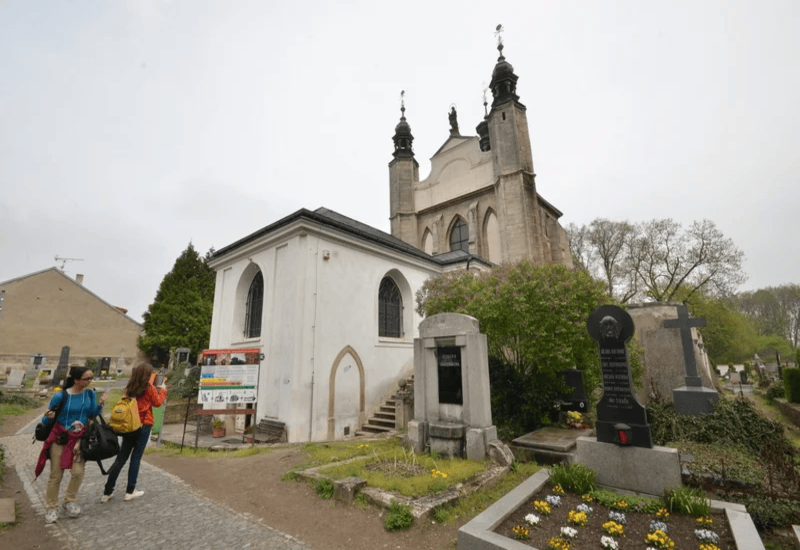
The Church of All Saints and Ossuary is one of the most visited monuments in the Czech Republic. However, it remains a functional Roman Catholic church where masses are celebrated. The Gothic two-storey church, built in the first half of the 14th century, stood on the grounds of a former Cistercian monastery amid a vast dark cemetery.

In one of its towers, an eternal light burned as a symbol of hope for resurrection, guiding medieval pilgrims from all over Europe to the Sedlec Ossuary, where they would stop, pray, and quietly contemplate their lives. The lower chapel – dark and sombre, served as a reverent resting place for bones, while the upper chapel – full of light, was a place for prayers and encounters with God. Thus, the message of this church remains unchanged over time – memento mori (remember death).

*Please click the green link for further info.


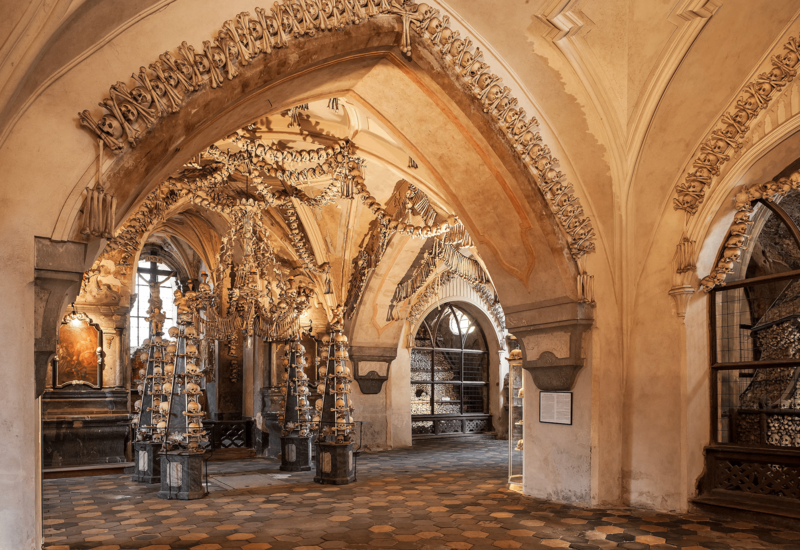
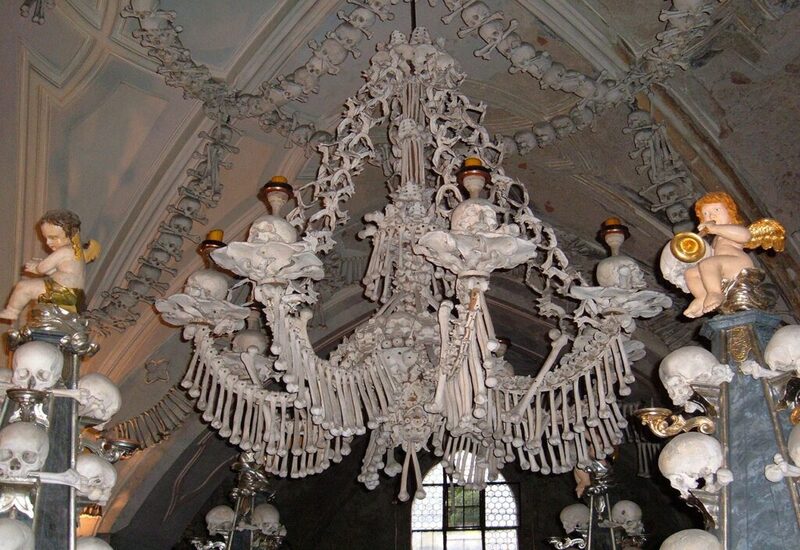
The Sedlec Ossuary is nothing spectacular on the outside. It is a small chapel in Sedlec, in the suburbs of Kutna Hora, in the Czech Republic. You would think that it is just an average old medieval Gothic church. Thus, it is also known as the Church of Bones or the Bone Church.


94f06ca60f92.png


One of the fascinating artistic works inside the Sedlec Ossuary is the big chandelier of bones in the center of the Church of Bones. The immense chandelier contains at least one of every human bone.

3b5dc1d87dbf.png


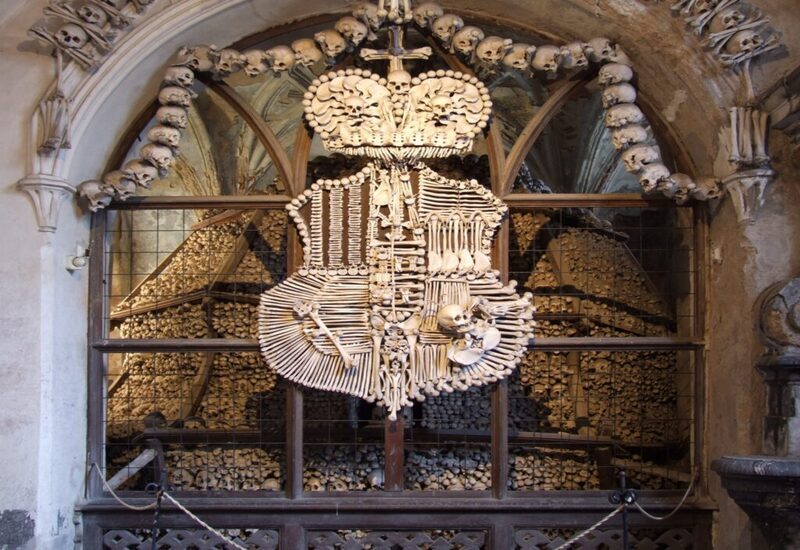
Another impressive artwork is the coat of arms of the Schwarzenberg family, which is also made of human bones. While there are other macabre places to visit in Europe, like the Paris Catacombs, the Sedlec Ossuary is unique.

9576b73ef0fc.jpg


Tragically beautiful, the Sedlec Ossuary is decorated with human bones that were bleached and carved.

33652648a73f.jpg


​
 
DEATH ROAD (BOLIVIA)


Please, Log in or Register to view URLs content!
​


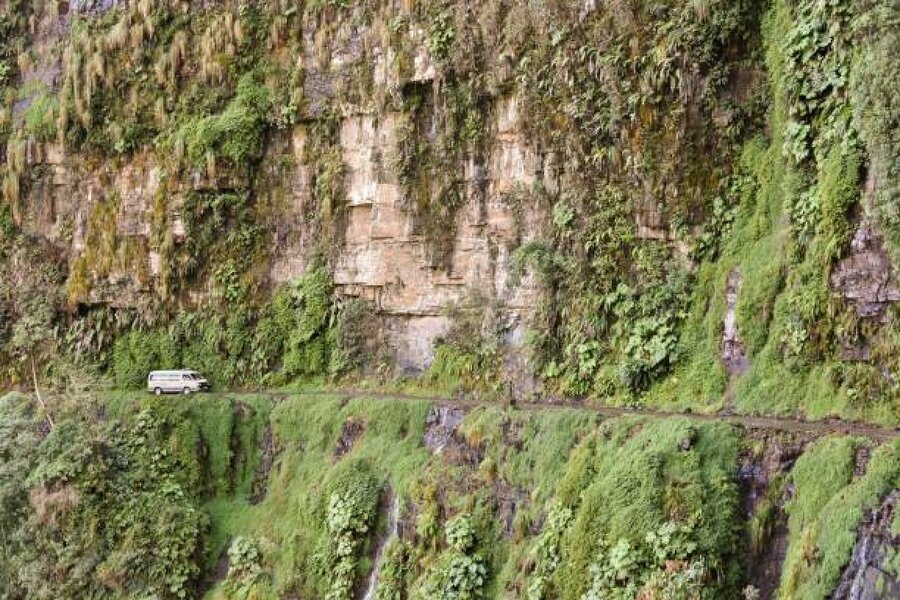
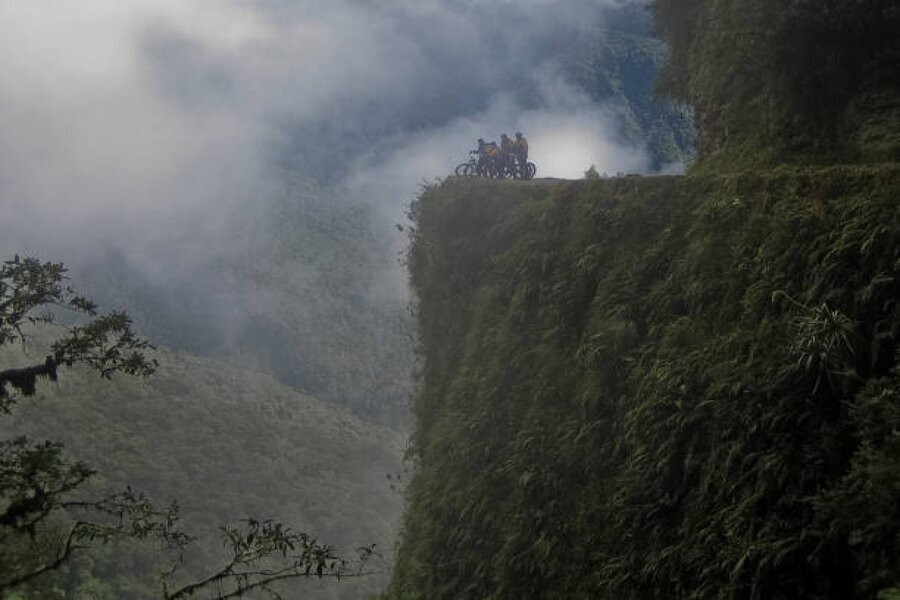
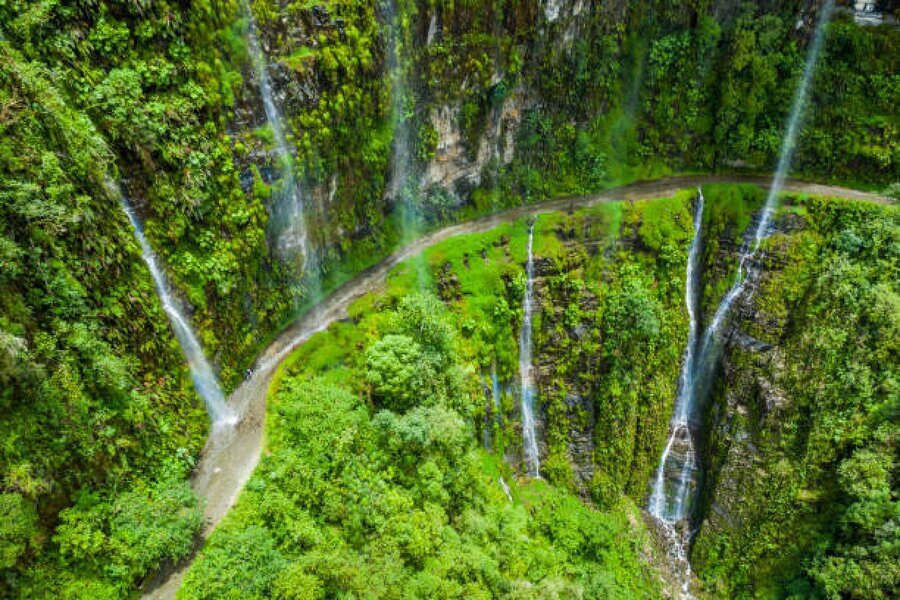
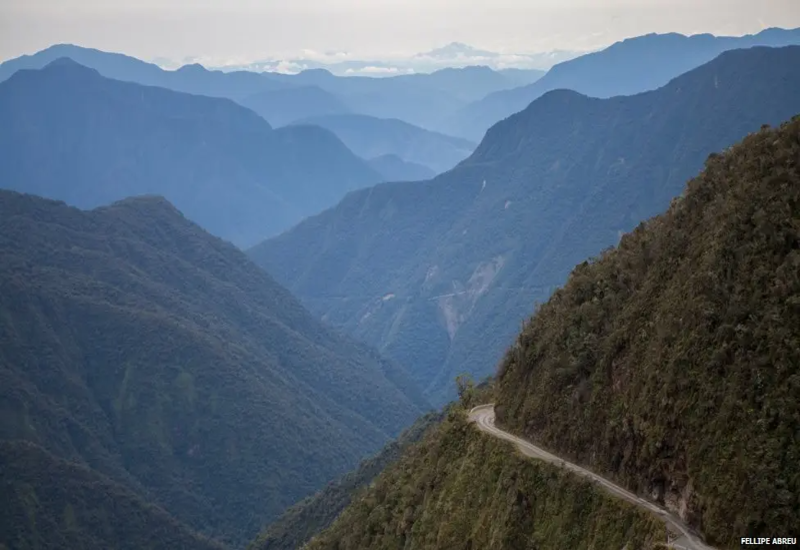
North Yungas road is known as "Death Road" for all of the reasons you'd guess. Driving up or down this 43-mile (69-kilometer) switchback is extremely perilous due to fog, landslides, cascades, and cliffs that drop 2,000 feet (610 meters) at every turn. The road seldom gets any wider than 10 feet (3 meters), and many crosses stand as memorials to those who have perished there. Nearly 300 drivers were killed here every year until 1994. It's no wonder it got the nickname.

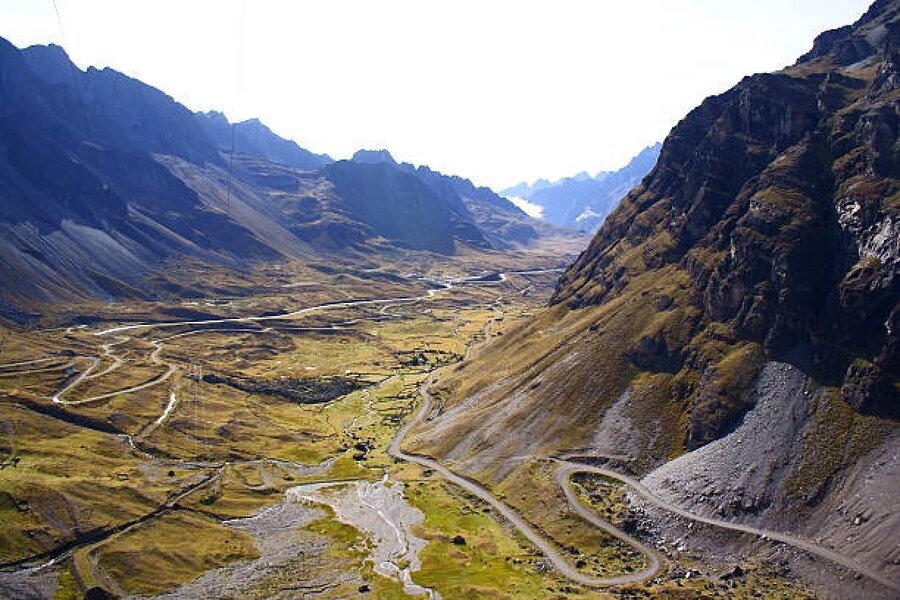
In the 1930s, Paraguayan prisoners cut the road during their violent battle with Brazil during the Chaco War. The road connects Bolivia's capital, La Paz, to the town of Coroico. From La Paz, Yungas road climbs to around 15,260 feet (4,650 meters) before moderately rising to 3,900 feet (1,190 meters).

*Please click the green link for further info.


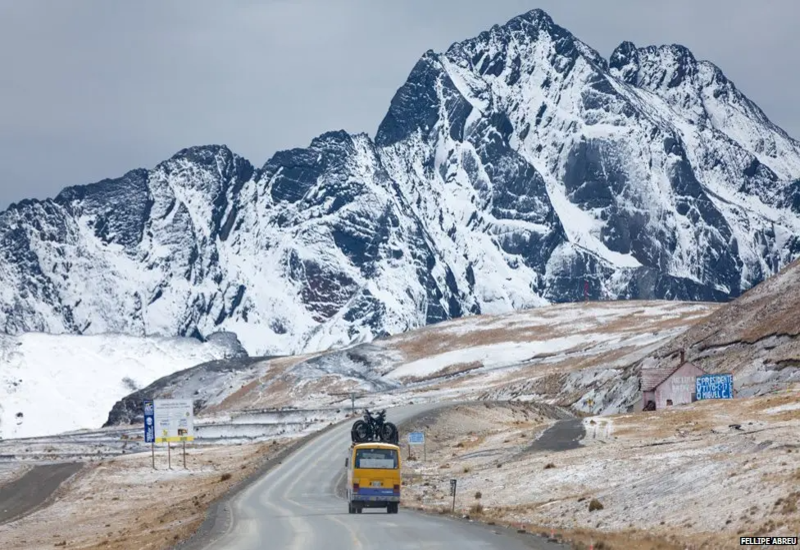
Cyclists and their bikes are taken by bus to La Cumbre at a height of 4,700m (15,420ft).​

b52d0bbce63c.png


From here, the peaks of nearby mountains such as the Huayaina Potosi, in the Cordillera Central, Bolivia's central mountain range, are clearly visible. The route in the Andes near the city of La Paz has become a favorite with mountain bikers as for a stretch of 66km it is almost entirely downhill, descending a total of 3,500m.​
1a0bcc6b3f04.png


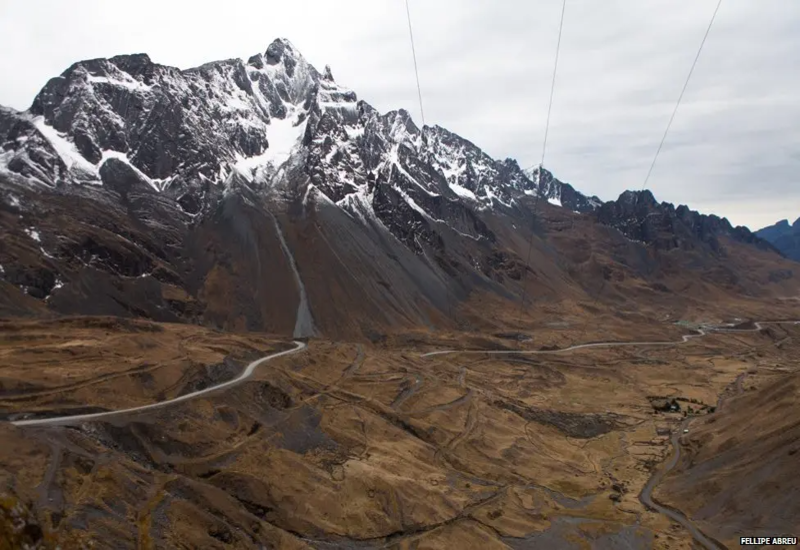
This unpaved stretch is the one which gave the road its reputation of being one of the most dangerous in the world. During the 1990s, an average of 300 people died on this road a year.​

1a9fdf946e9c.png


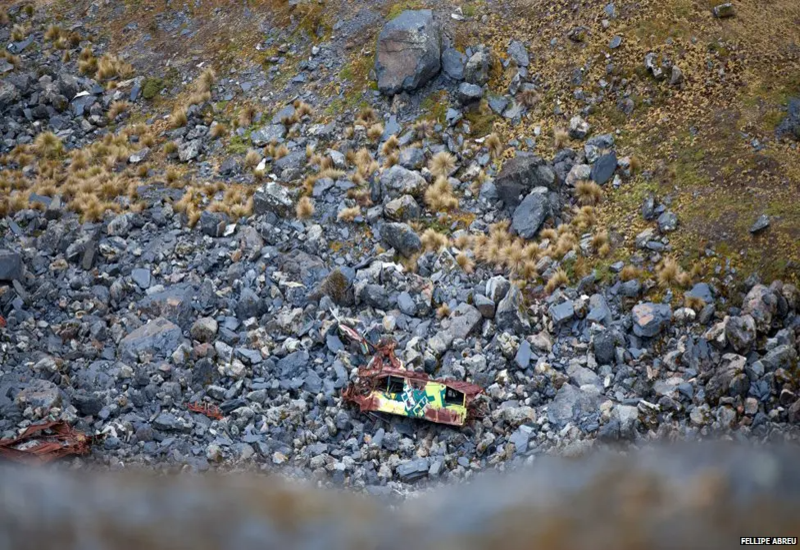
The worst single accident happened in the 1980s, when a bus plunged 300m, killing more than 100 people. When a vehicle comes off the road here, the drops are sheer and deep, offering little chance of survival for the passengers.​

aca5547da6d8.png


​