Earth's Mysteries

The Real Alticus

Mr. EXCITEMENT
Reaction score
5,467
Location
Los Santos
Please, Log in or Register to view URLs content!


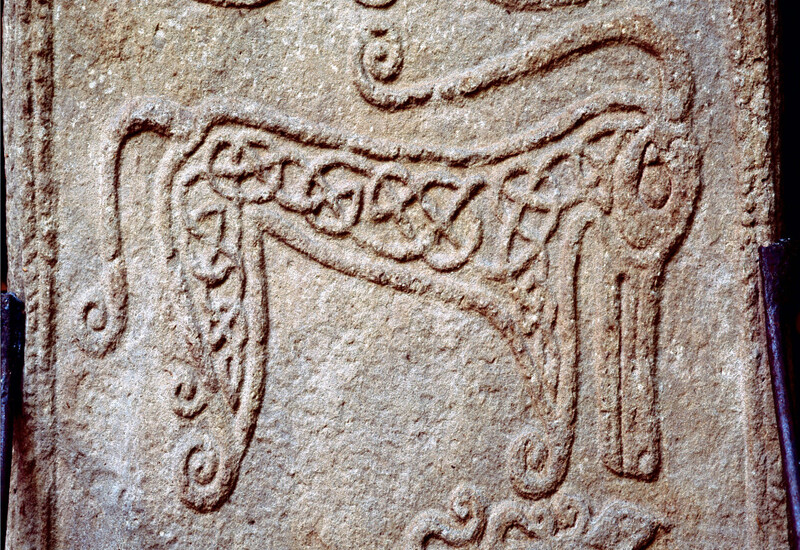
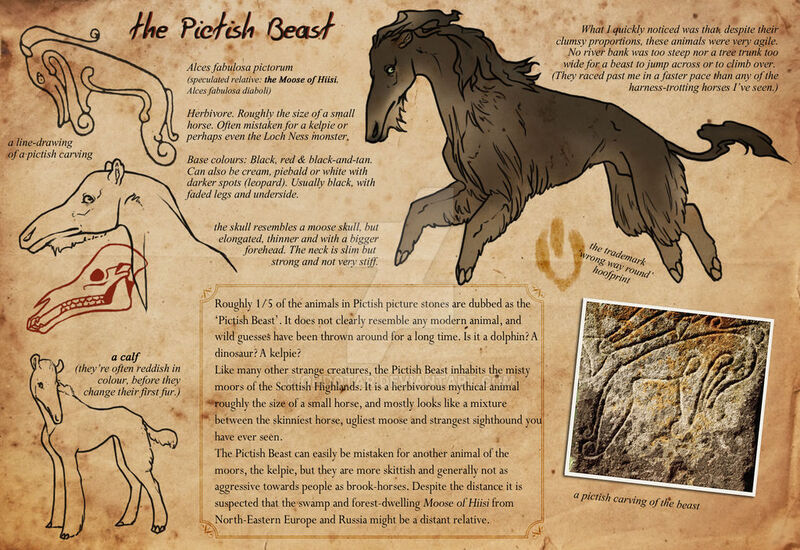
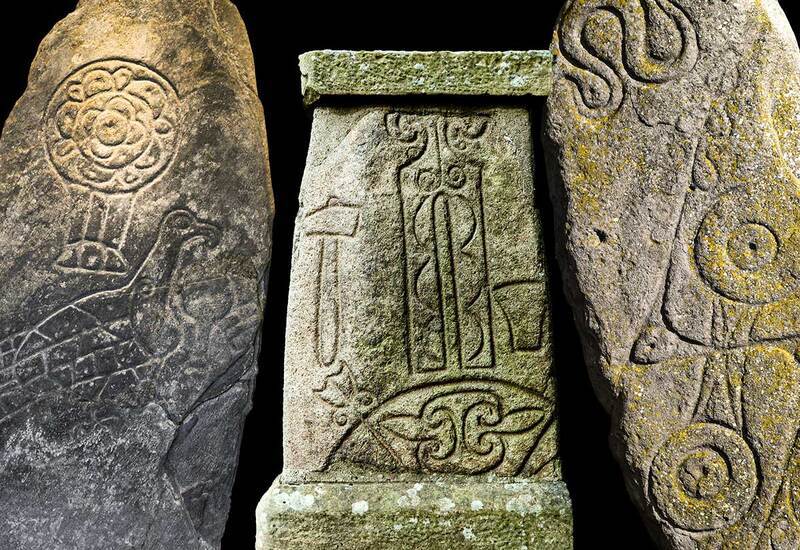
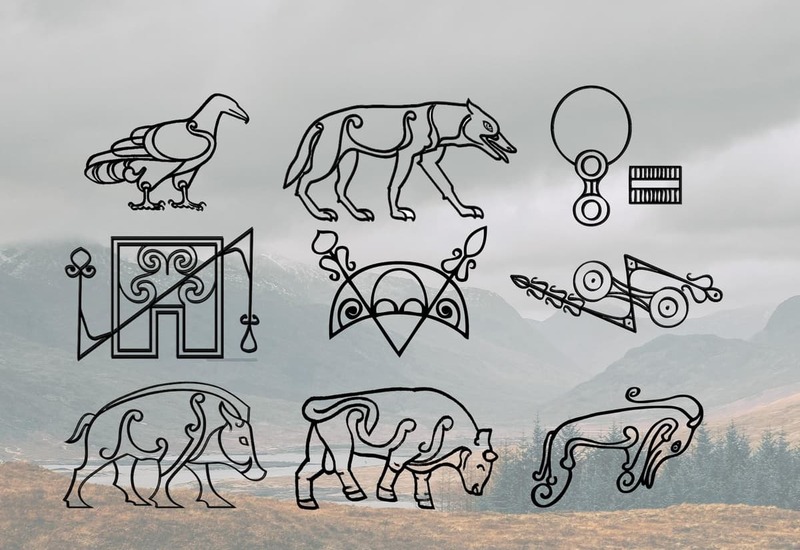
The Picts were a mysterious group of people who emerged in northern Scotland some time during the early Middle Ages and were probably completely assimilated into the Gaelic culture of the south of Scotland by the 10th century AD. While their own artwork seems to depict people with books, we have no surviving written records from the Picts whatsoever. Almost everything about their culture is up for debate: where they came from, what sort of language they spoke, whether they really covered their bodies in tattoos like the Romans said they did. Researchers have been able to glean a few shreds of information about Pictish culture from the scant comments written by their contemporaries and from place names that are thought to be Pictish in origin. However, our richest source about their lives comes in the form of the hundreds of monumental stone carvings they left behind.

*Please click the green link for further info.


8732143f0e7e.jpg


675fb87642af.jpg


a58d1287b4f3.jpg


d854527f79f5.jpg
​


​
​
 
Please, Log in or Register to view URLs content!
​


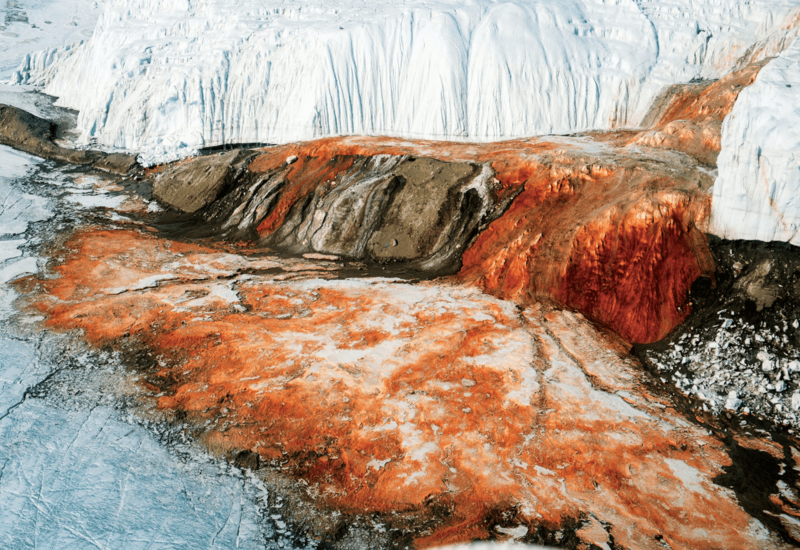
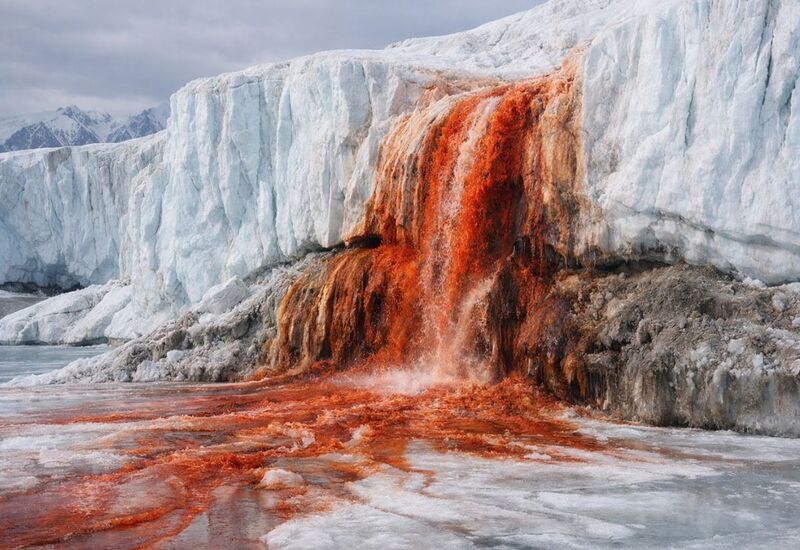
Antarctica is a place of breathtaking beauty and extreme conditions. It is a realm of ice, mystery, and scientific wonder, harboring secrets that continue to baffle and intrigue researchers. One such enigma is the phenomenon known as "Blood Falls," a striking feature in the Taylor Valley that appears to ooze blood-red liquid from beneath a glacier. This eerie and mesmerizing spectacle has captured the imagination of scientists and curious minds alike, prompting numerous investigations and theories to unravel its origins. Blood Falls stands as a testament to the unyielding mysteries that our planet still holds, despite the advances of modern science and technology.

*Please click the green link for further info.


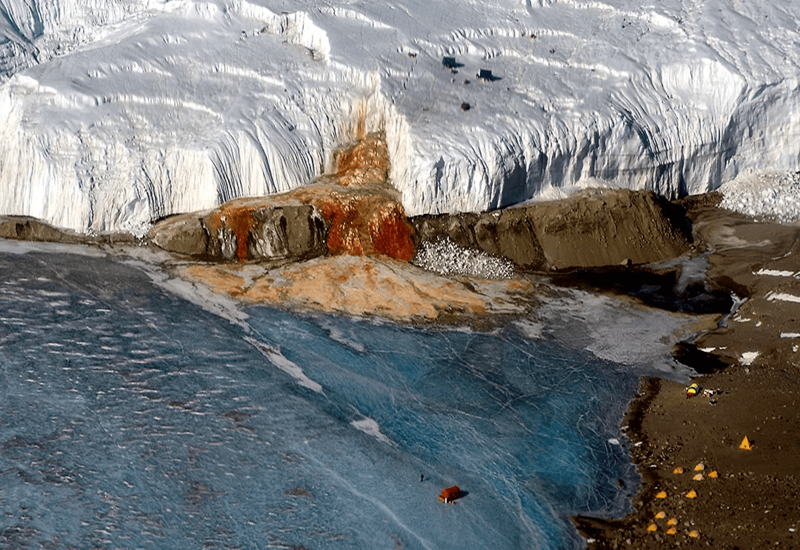
The red-brown Blood Falls in Antarctica are named for their unusual color, but what they're really made of–and why the water flows at such a cold temperature–has long been a mystery.​


26648e1dd8d6.png


Blood Falls were discovered in 1911 by the Australian geologist Griffith Taylor, a participant in the Terra Nova Expedition. He was the first to explore the valley that now bears his name. At the time, he attributed the red color to red algae. It was later proven, however, that the coloration is caused by iron oxides.​


6f2ff2d4f8d7.png


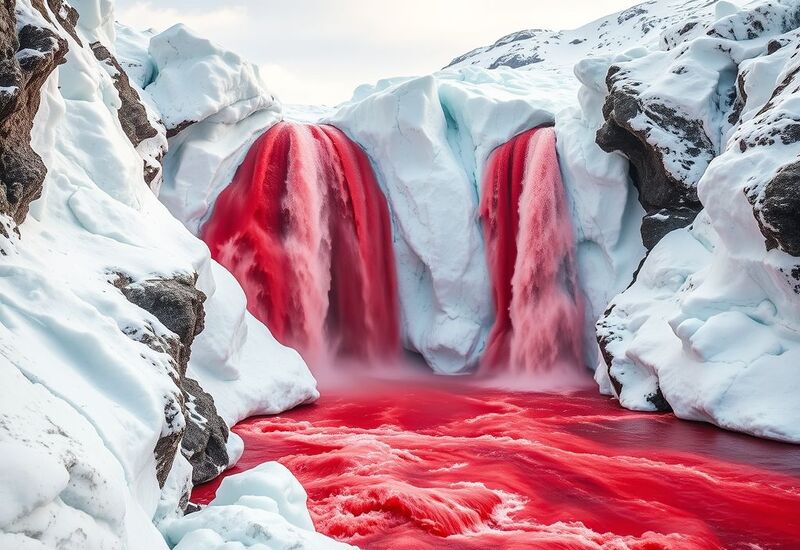
In Antarctica, Blood Falls, a striking crimson waterfall flowing from the Taylor Glacier into Lake Bonney, has fascinated scientists and explorers for over a century.​


88b4d13298f7.jpg


A reddish flow escaping from the Antarctic ice has led scientists to investigate a rare subterranean system, where chemistry, extreme climate, and ancient microorganisms have transformed Taylor Glacier into one of the most studied points on the continent.​


a1d408ce122f.jpeg


​
 
Please, Log in or Register to view URLs content!
​


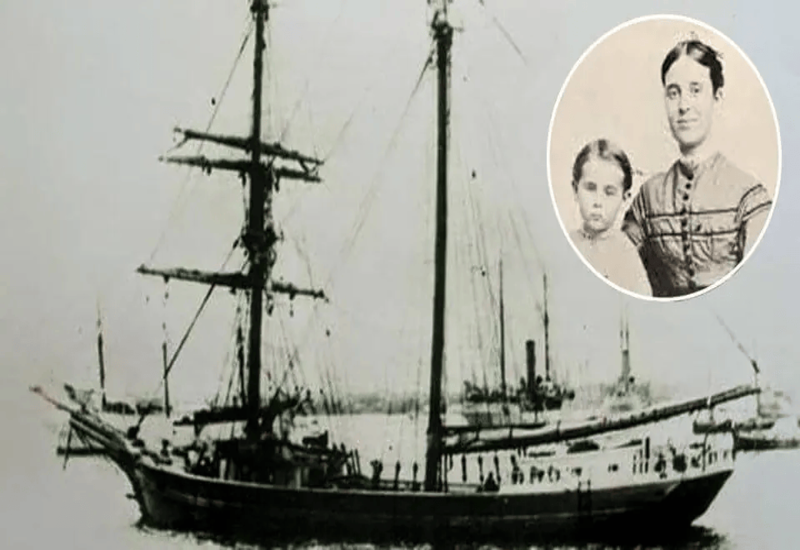
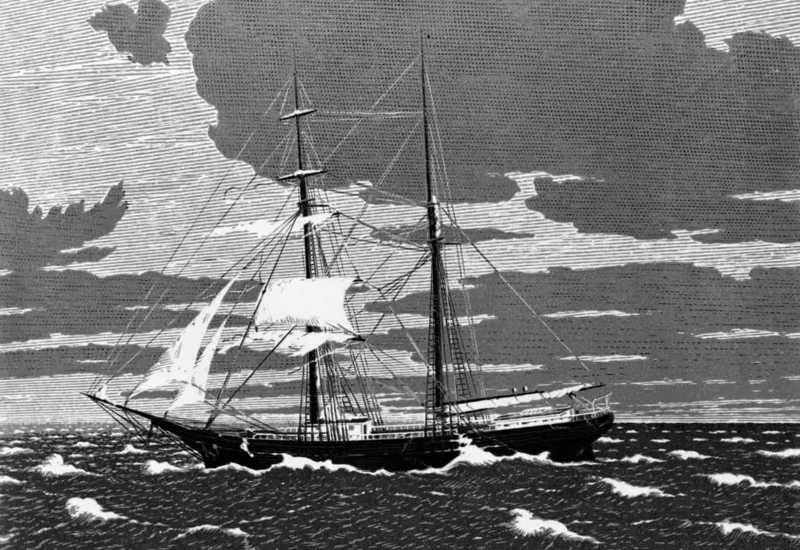
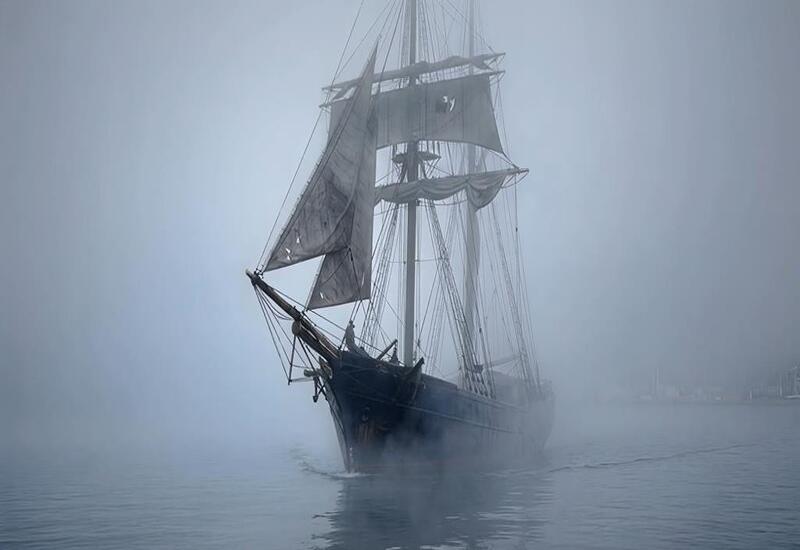
On 4 December 1872, the crew of the brigantine Dei Gratia sighted a ship adrift in the Atlantic near the Azores. The other vessel, Mary Celeste, was on an erratic course. On receiving no answer to his hails, Captain Morehouse of the Dei Gratia sent two of his men over in a boat to investigate.

What they found on boarding the ship would give rise to one of the most intriguing and debated maritime mysteries of all time: the Mary Celeste was completely deserted. The only clue as to the whereabouts of her crew was the missing boat which was normally stowed over the main hatch. However, nobody on board was ever seen again. Was it foul play, an insurance scam, a mutiny, or something else that caused the crew to abandon ship? Discover more about this compelling unsolved puzzle.

The brigantine Mary Celeste left New York on 7 November 1872, heading for Genoa, Italy. On board was Captain Benjamin Briggs, his wife Sarah and their two-year-old daughter Sophia. Brigg’s crew numbered seven: his first mate Albert Richardson, who was well known to him; second mate Andrew Gilling; steward William Head; and seamen Gottleib Gouldschaal, Arian Martens, and brothers Boz and Volkert Lorenzen.

The ship was carrying around 1,700 barrels of high-grade alcohol.

*Please click the green link for further info.


b818c6573f91.png


d0cb281974df.png


33b046acd9b6.jpg


e26f940fcaef.png


​
Mary Celeste: The Odyssey Of An Abandoned Ship-Full Book:

Please, Log in or Register to view URLs content!


​